


19th Century Ceramic Centrepiece
A 19th century ceramic centrepiece anchors a formal table or sideboard with hand-painted porcelain, majolica and gilt mounts.
19th Century Ceramic Centrepiece
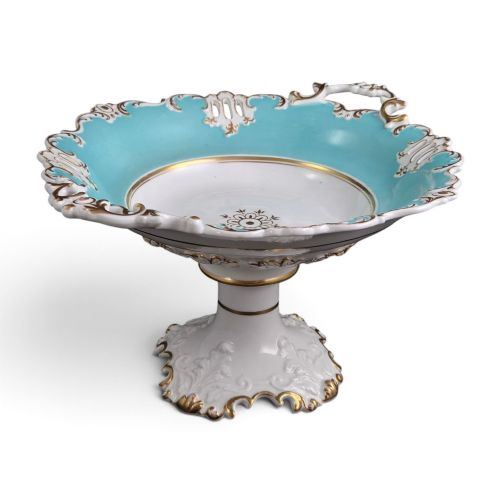
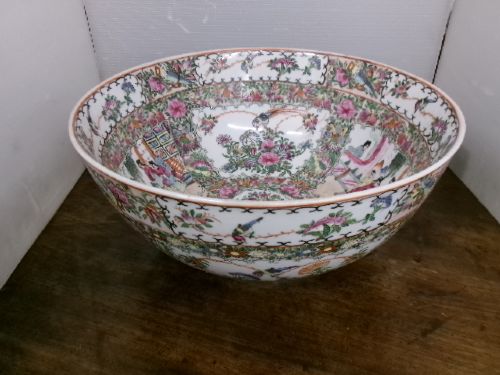
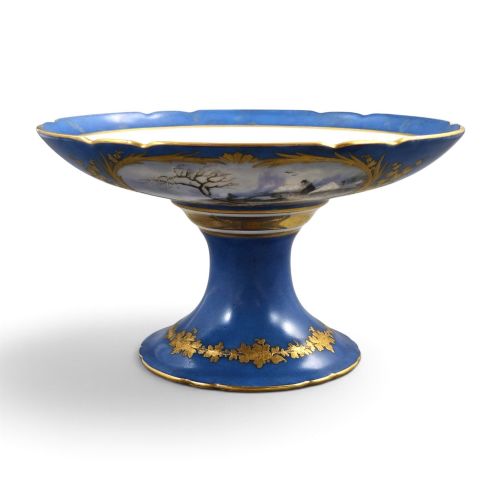
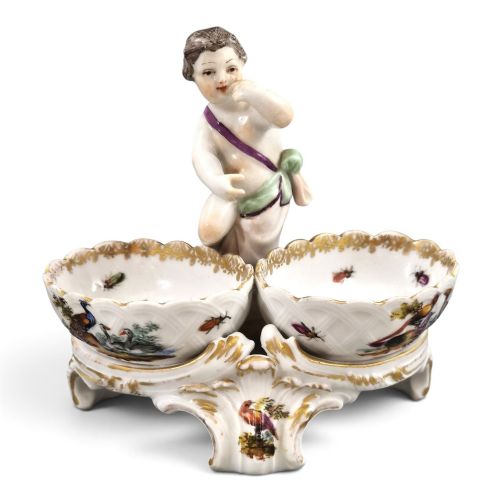
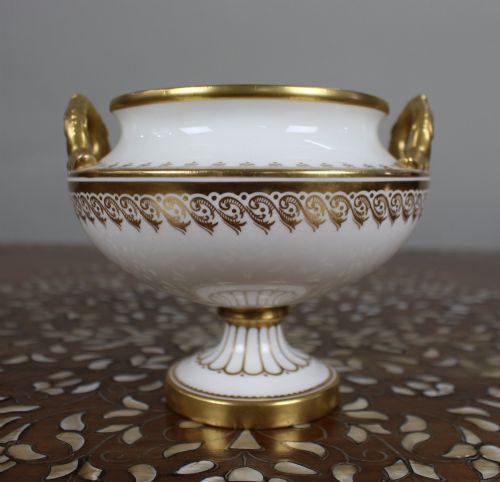
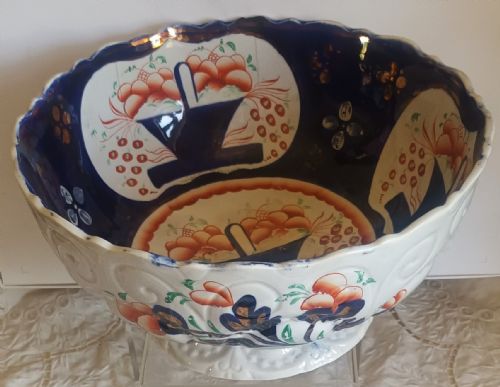
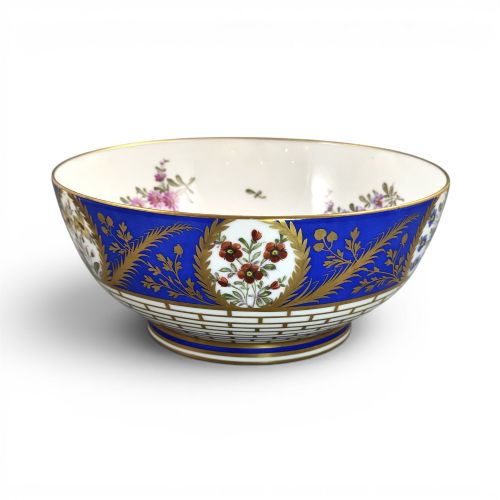
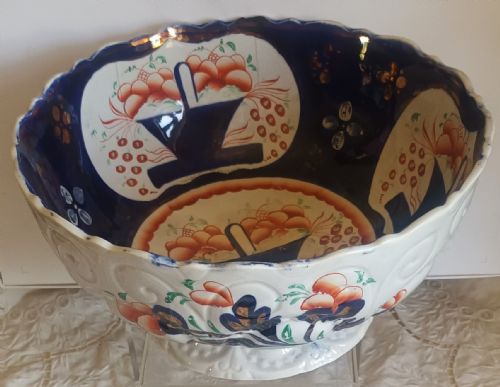
A 19th century ceramic centrepiece serves as a decorative focal point, taking the form of large bowls, comports, tazzas, and figural baskets intended for display or dining service. These objects emerge from various European and Asian traditions, spanning English factories, French porcelain houses, German kilns, and Chinese export wares.
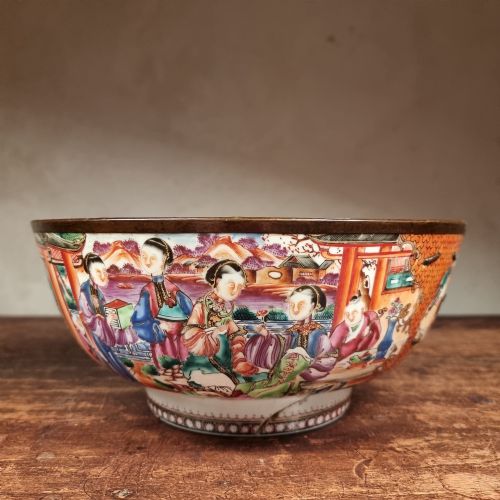
The most common versions met on this page include decorative bowls and tazzas created during the Victorian era, alongside Chinese Canton and Famille Rose punch bowls. Pieces often incorporate applied floral details, figural supports, or twin handles designed to sit centrally on a table or cabinet.
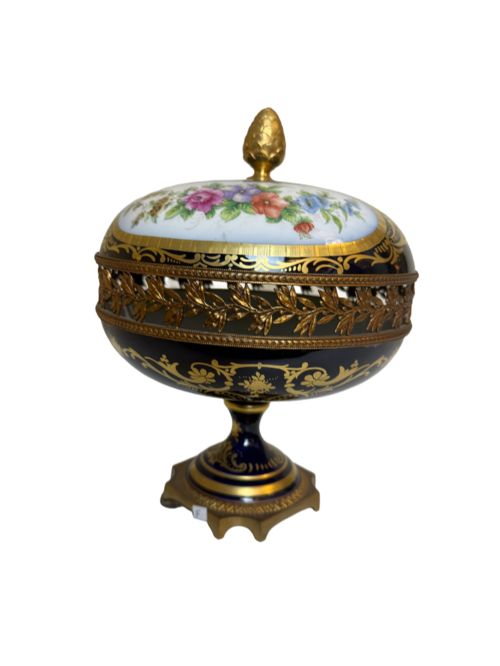
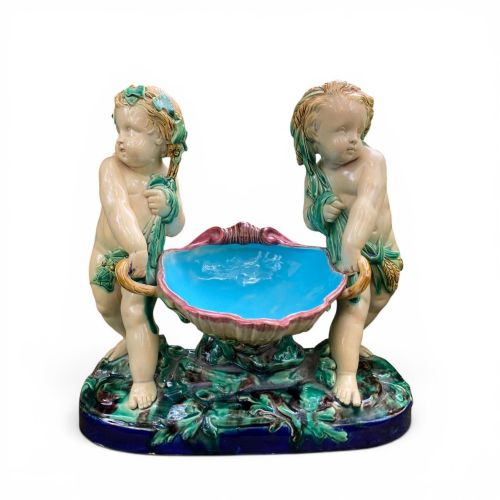
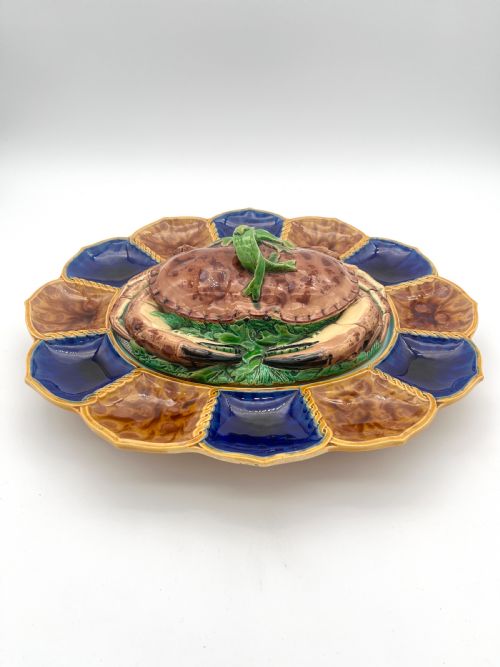
The selection ranges from Regency porcelain serving dishes and majolica figural baskets to elaborate French pieces featuring gilt bronze mounts and enamel work. Each item reflects the decorative priorities of its period, moving from restrained classical shapes towards exuberant revivalist styles.
How they were made
Makers shaped porcelain, earthenware, and bone china through throwing, moulding, or slip-casting before applying lead or tin glazes. Many items received meticulous hand-painted enamel decoration, flower encrustations, or transfer-printed blue and white patterns prior to high-temperature kiln firing.
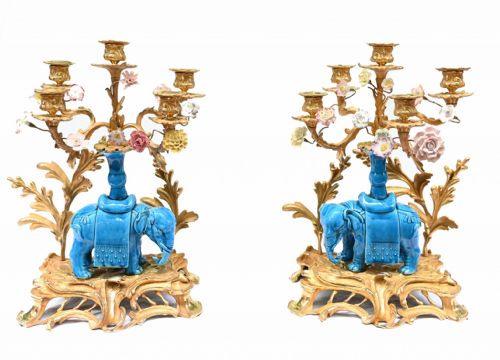
Elaborate models integrate structural metal components, securing porcelain bowls and dishes within gilt bronze, ormolu, or champlevé enamel mounts. Gilding and gold leaf accent borders, handles, and figural elements, completing pieces that required multiple firing stages and specialist craftsmanship.
Nineteenth-century dining tables occasionally featured porcelain elephants and leaping rabbits holding up the fruit.
What varies in quality
Quality rests upon the crispness of the porcelain modelling and the precision of the hand-painted details. Superior pieces display finely delineated brushwork in the enamel scenes, naturalistic flower encrustations, and sharply defined moulded relief without blurring.
The integration of metalwork and ceramic defines the upper tier of production, where gilt bronze or ormolu mounts fit the ceramic body precisely. Weight, balance, and the depth of the glaze distinguish standard factory output from exceptional studio or manufactory commissions.
Coalport·Sèvres·KPM Berlin·Limoges·Vieux Paris·Samson Paris·Minton·Rockingham·Volkstedt·Ulisse Cantagalli·Kister Scheibe Alsbach·Ridgway
The 19th Century Ceramic Centrepiece Glossary
- Tazza
- A shallow bowl or dish raised on a stem and foot, commonly used for serving fruit or sweets in the nineteenth century. These vessels often feature decorative borders and hand-painted landscapes.
- Majolica
- A type of earthenware covered with an opaque tin glaze and painted with brightly coloured metallic oxide pigments. Minton and other potteries utilised this technique for sculptural dishes and figural centrepieces.
- Comport
- A standing dish used for dessert service, functioning similarly to a tazza or elevated bowl. They appear frequently in English and French nineteenth-century ceramic services.
- Famille Rose
- A palette of Chinese porcelain decoration distinguished by opaque pink or purple enamel derived from colloidal gold. This style dominated export wares shipped to Europe throughout the period.
- Parian Ware
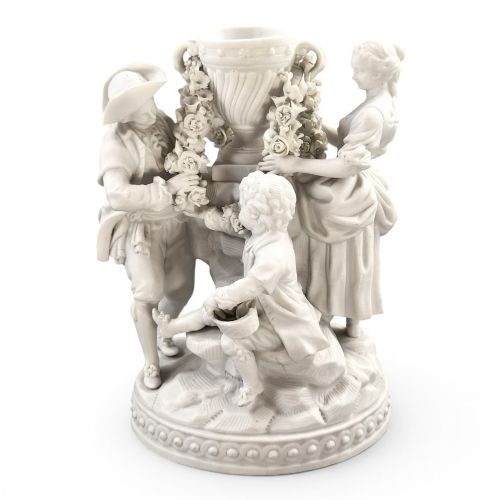
- A fine unglazed white biscuit porcelain resembling carved marble, developed in England during the nineteenth century. It was frequently used for figural groups and decorative centrepiece dishes.
- Ormolu
- Gilding technique utilising finely ground high-carat gold applied to a bronze base. It provides decorative mounts for porcelain bowls and urns.
19th Century Ceramic Centrepiece: Frequently Asked Questions
What is a ceramic centrepiece?
A ceramic centrepiece is a large decorative vessel, such as a bowl, tazza, or basket, designed to sit in the middle of a table or sideboard.
Nineteenth-century examples combine functional serving forms with sculptural porcelain, majolica glazes, and hand-painted scenes.
How were these bowls used?
Original uses included serving fruit, nuts, or sweetmeats during formal nineteenth-century dessert courses.
Many pieces served purely as decorative ornaments for drawing rooms, dining tables, and display cabinets.
How do I identify a Victorian piece?
Victorian ceramics often display exuberant revival styles, heavy gilding, and bright enamel palettes influenced by Rococo and naturalistic themes.
Factory marks, registration diamonds, and specific material types like Parian ware or majolica help confirm the date.
Can I use them for food?
While historic bowls were made for dining, nineteenth-century glazes and pigments can contain lead or other substances unsuited for modern consumption.
It is safest to treat these antique vessels as decorative display objects rather than tableware.
How do I care for antique porcelain?
Keep ceramic centrepieces away from direct sunlight and dramatic temperature changes to protect the glazes and painted details.
Dust gently with a dry, soft cloth and avoid submerging pieces with metal mounts or delicate applied flowers in water.