

19th Century Ceramic Art
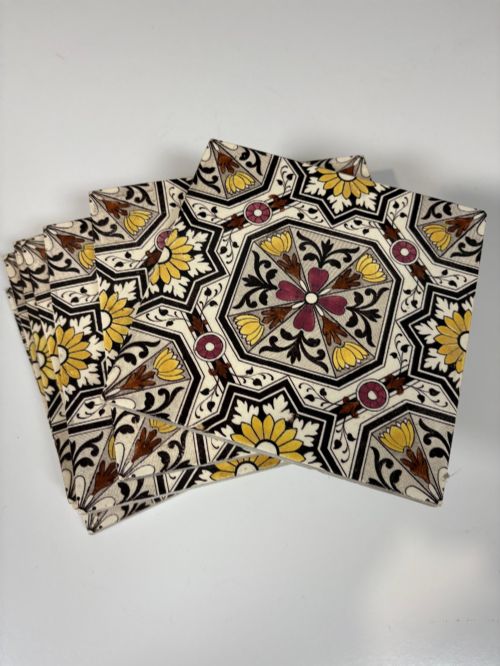
19th century ceramic art encompasses painted porcelain plaques, glazed earthenware figures and decorative bowls created across Britain and continental Europe during an era of extraordinary kiln experimentation.
19th Century Ceramic Art
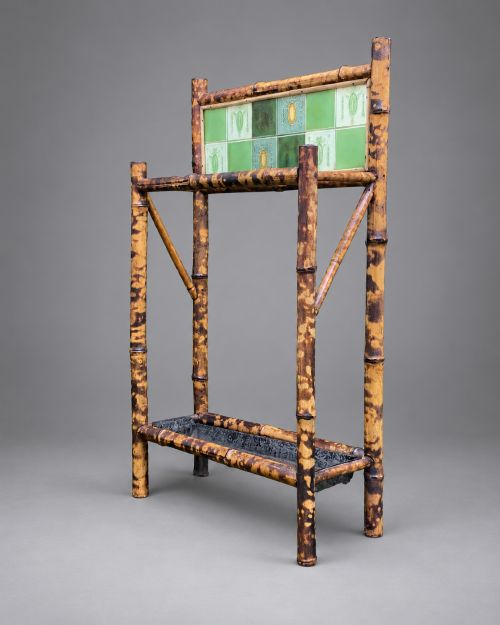
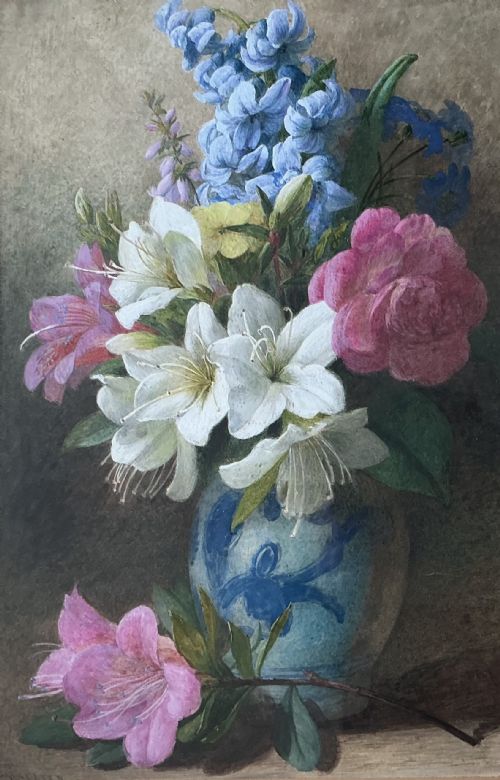
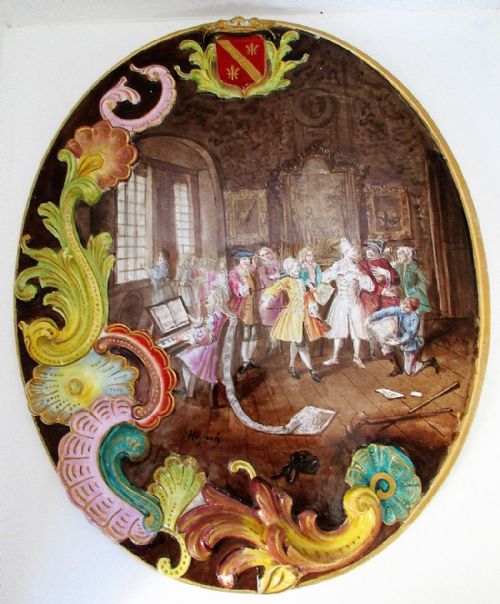
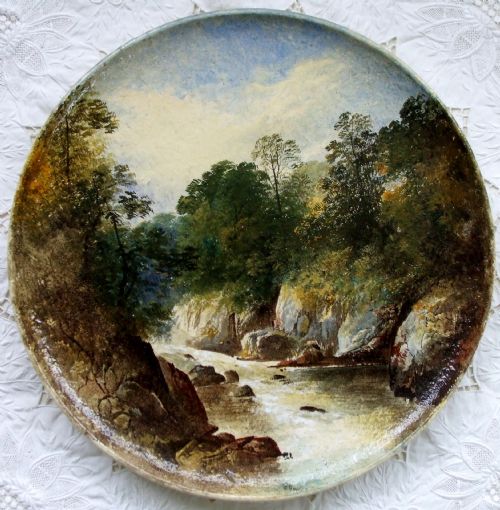
When searching for 19th century ceramic art, collectors encounter a diverse array of objects spanning utilitarian kitchen vessels to highly finished cabinet pieces. The selection here leans heavily towards Victorian wall plaques, hand-painted porcelain chargers, and sculptural earthenware figures originating from British potteries and continental European factories.
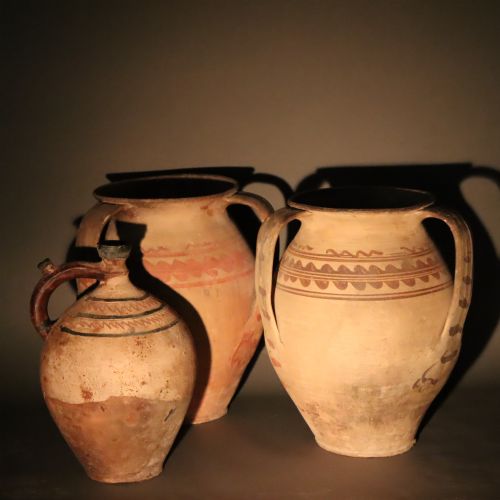
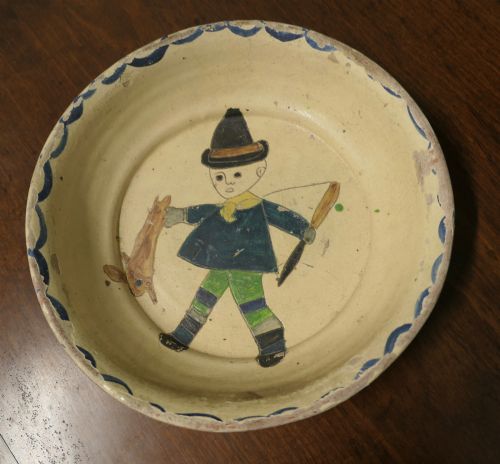
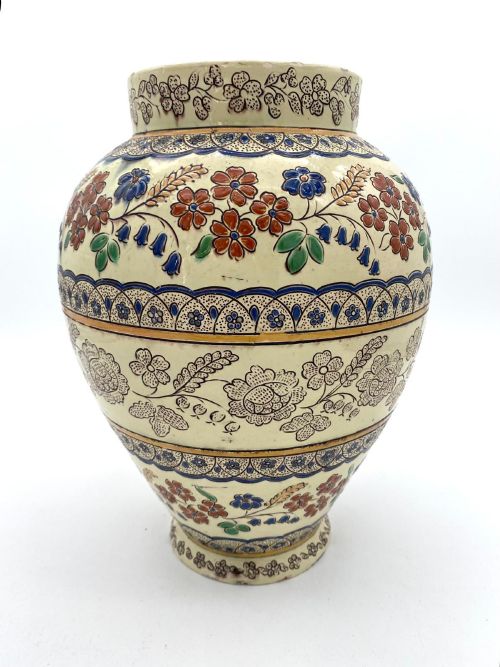
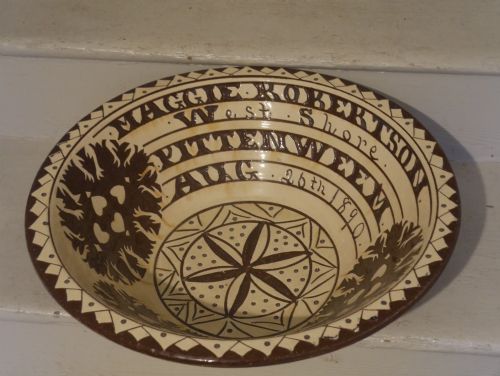
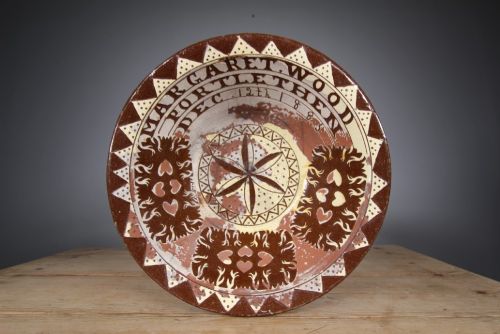
Vases and decorative bowls appear alongside portrait plaques painted after Renaissance masters, while regional folk art pieces such as Scottish dairy bowls and Staffordshire figures represent domestic production. Pieces range from straightforward utilitarian earthenware to delicate porcelain items intended purely for visual display in bourgeois interiors.
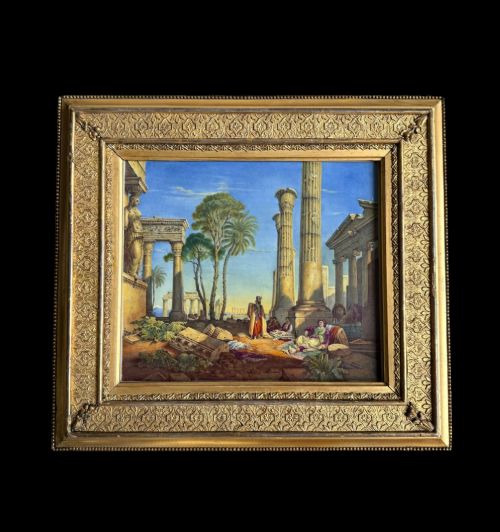
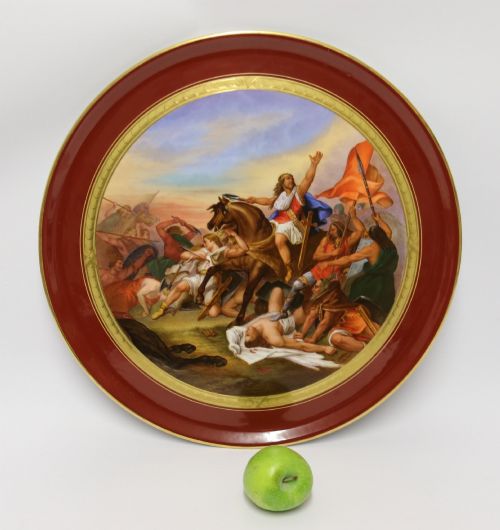
The objects cross multiple stylistic boundaries, moving from neoclassical subjects and historical battle scenes to Japanese-inspired designs and the fluid floral motifs of the Art Nouveau period.
Materials and construction
Makers utilised various clay bodies, distinguishing between heavy earthenware, dense stoneware, and fine translucent porcelain depending on the intended function of the piece. Glazes ranged from simple lead finishes to complex enamel colours fused to the surface through multiple kiln firings.
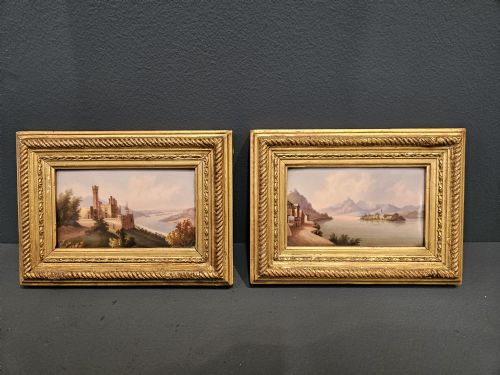
Decoration relied on hand-painting, transfer printing, or applied slip, often enhanced with gold leaf accents or giltwood framing in the case of porcelain plaques. Sculptural forms were typically slip-cast in moulds or hand-modelled before receiving their final pigment layers.
19th Century Ceramic Art Retail Price Guide 2026
Typical asking prices for 19th century ceramic art among the pieces listed under this phrase on Sellingantiques today, from the lower quarter to the upper quarter. They describe what is for sale here now, not the wider market.
Listings feature porcelain plaques, earthenware figures, and decorative bowls spanning the Victorian and Edwardian eras.
Distinctions in quality
Quality in 19th century ceramic art rests on the precision of the modelling and the finesse of the hand-painting rather than the mere age of the piece. Superior examples exhibit crisp detail in moulded figures and sophisticated brushwork on painted plaques, whereas lower tiers show hurried decoration and blurry transfer prints.
The reputation of the manufactory or the documented hand of a named artist significantly elevates a piece, as does the preservation of delicate enamel colours and gold leaf details without extensive restoration.
Seaton Pottery·Mettlach·Clement Messier·Copeland Pottery·Doulton Lambeth·Sir Edmund Harry Elton·Goldscheider·Ernst Wahliss·KPM·Royal Dux
The 19th Century Ceramic Art Glossary
- Earthenware
- Porous pottery fired at lower temperatures, typically requiring a glaze to achieve impermeability to liquids. It forms the body of many traditional Staffordshire figures and slipware bowls.
- Porcelain
- A hard, fine-grained, white ceramic material fired at high temperatures until vitrified. It allows for thin, translucent walls and holds detailed enamel painting exceptionally well.
- Plaque
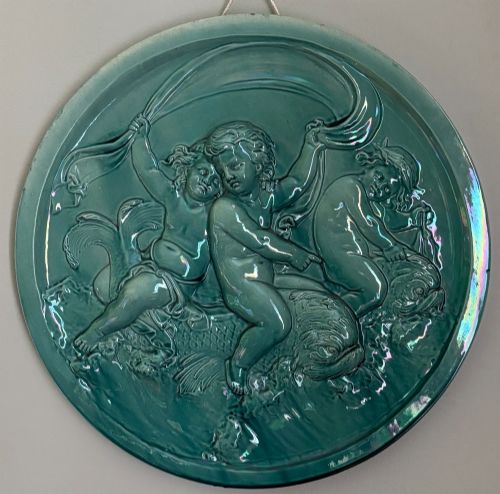
- A flat decorative panel of ceramic or porcelain designed to be hung on a wall or mounted within a frame. Many feature hand-painted historical scenes or portraits copied from classical artworks.
- Slipware
- Pottery decorated with slip, which is a liquefied suspension of clay and water applied before firing. It creates raised patterns and contrasting surface textures on utilitarian vessels.
- Transfer printing
- A mechanical decoration technique where an engraved copper plate transfers a design onto paper and then onto the ceramic body. This process allowed factories to produce patterned tableware efficiently.
19th Century Ceramic Art: Frequently Asked Questions
How do I identify porcelain plaques?
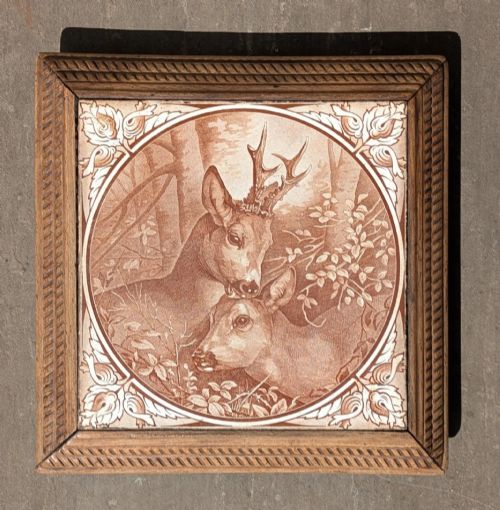
Porcelain plaques are flat ceramic panels, usually glazed and painted with portraiture or narrative scenes, often mounted in wooden frames. They were produced extensively in Germany, France, and England as decorative wall art.
Examination of the reverse often reveals factory marks, titled subjects, or artist signatures. The crispness of the enamel and the weight of the porcelain help distinguish genuine nineteenth-century examples from later reproductions.
What distinguishes Staffordshire figures?
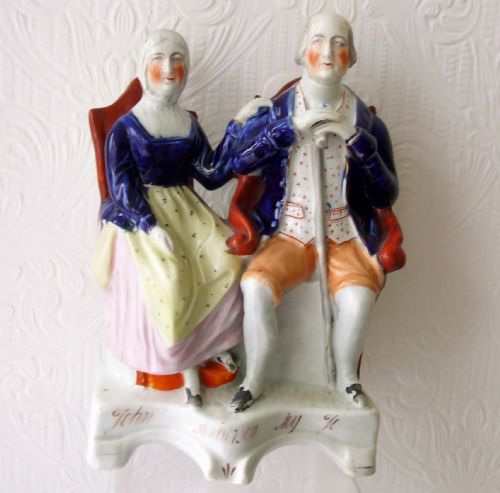
Staffordshire figures are earthenware sculptural pieces made in the English Potteries, typically depicting animals, literary characters, or historical figures. They were designed for cottage mantelpieces and display simple, robust modelling.
These figures usually feature hand-painted underglaze colours and gilt highlights on a flatback or hollow-cast body. Their charm lies in their naive folk art aesthetic rather than academic precision.
Where were Mettlach wares made?
Mettlach ceramics were produced by the Villeroy & Boch factory in the German town of Mettlach during the nineteenth century. The factory became famous for specialised techniques including etched stoneware and decorative wall plaques.
Collectors prize Mettlach pieces for their distinct architectural and historical motifs. The factory marks on the base typically indicate the specific production period and technique utilised.
How should I display ceramic plaques safely?
Ceramic and porcelain plaques require secure wall mounting that supports their weight without placing undue stress on the edges. Wooden frames often provide both structural protection and an aesthetic border suited to nineteenth-century interiors.
Placement should avoid direct sunlight to prevent the fading of delicate enamel paints and gold leaf accents. Stable indoor humidity levels protect both the ceramic body and any historical wooden framing.