
19th Century Carriage
A 19th century carriage object brings domestic engineering and travel history together on a table, offering brass work and mechanical precision.
19th Century Carriage
When searching for a 19th century carriage piece, collectors encounter mechanical clocks housed in brass cases alongside utilitarian items like lamps, lanterns, trunks, and cast-iron signal cannons mounted on oak carriages. French and English makers dominate these selections, producing both travel timepieces and domestic accessories.
The horological pieces take various forms, from simple timepieces to complex repeating and striking clocks with enamel dials and glass panels. Alongside clocks, lighting fixtures and transport items reflect the era's reliance on horse-drawn transit and maritime travel.
Dating primarily from the Victorian era through the turn of the twentieth century, these items bridge the gap between portable utility and interior decoration. Their survival depends on the durability of their original materials, whether brass, cast iron, or leather.
How they were made
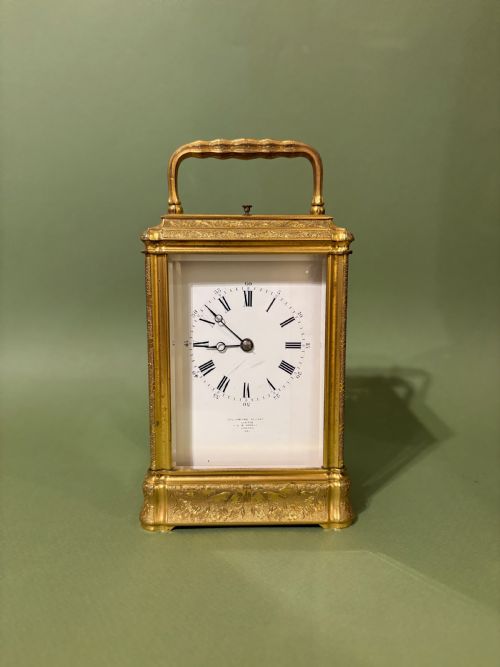
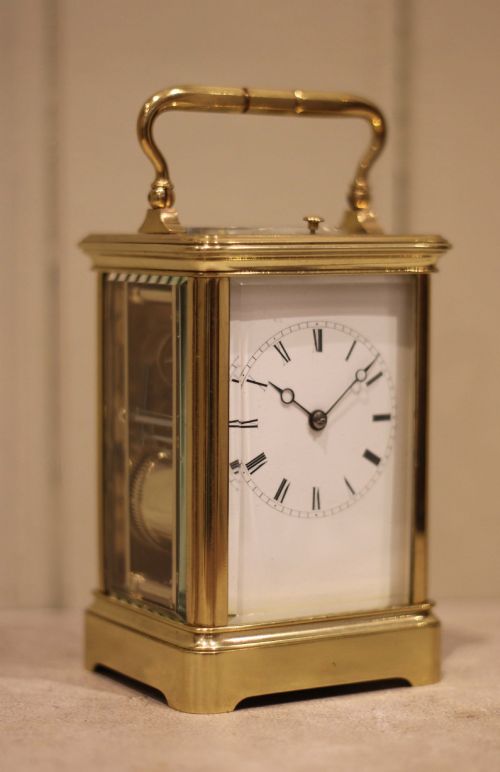
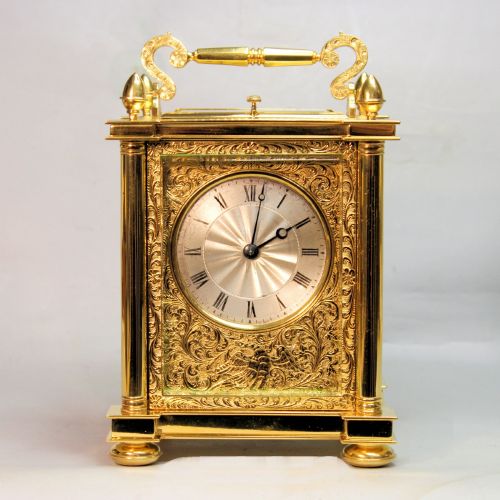
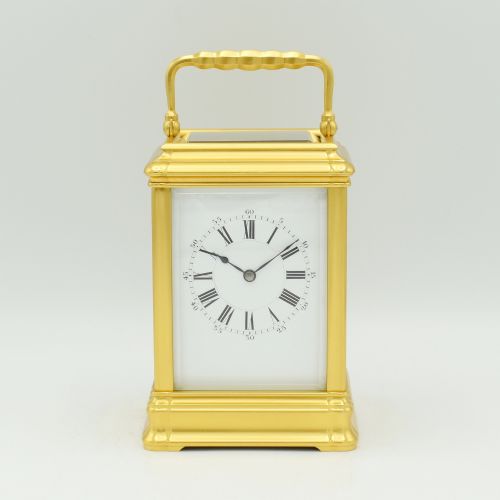
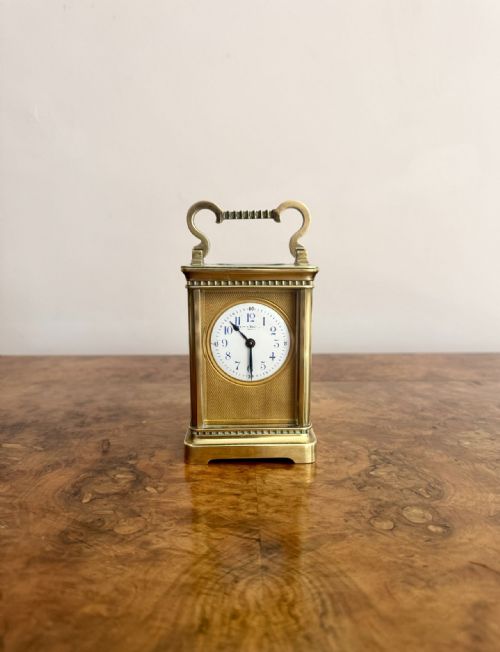
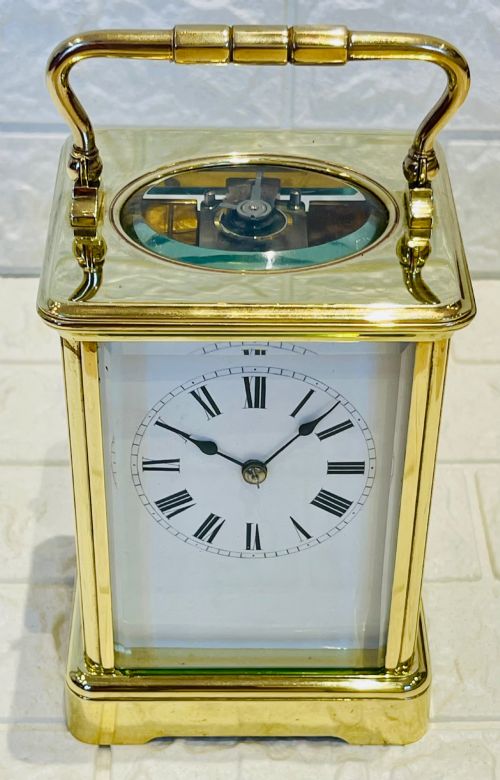
Makers constructed the timepieces using brass, gilt brass, and bronze, often casting detailed gorge cases or engraveable frames to house eight-day movements. Glass panels inserted into four-glass models allowed visibility into the escapement and gear trains.
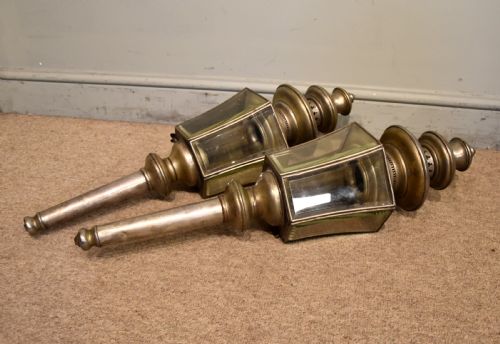
Utility pieces combined heavy cast iron with sturdy woods such as oak for items like signal cannons and mortars. Lamps and lanterns utilised sheet brass and glass lenses designed to withstand outdoor travel and carriage movement.
Object types span carriage clocks, mantel clocks, signal cannons, lighting, and decorative trunks.
What varies in quality
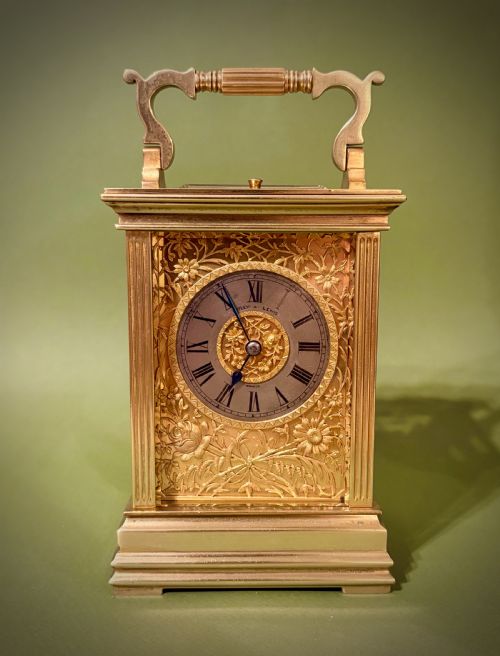
The distinction between standard production and finer examples rests on the complexity of the movement and the depth of the case decoration. Engraved gilt brass, champleve enamel panels, and repeating complications elevate specific pieces above plain timepieces.
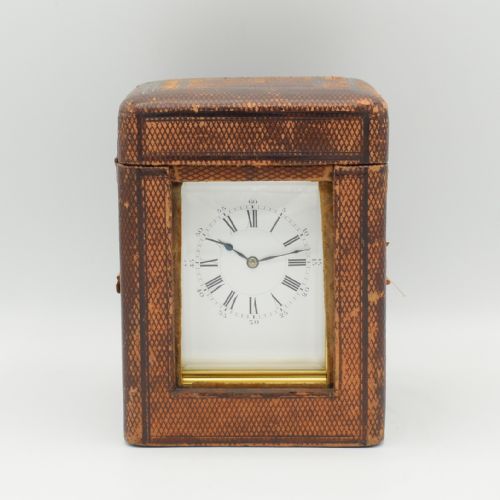
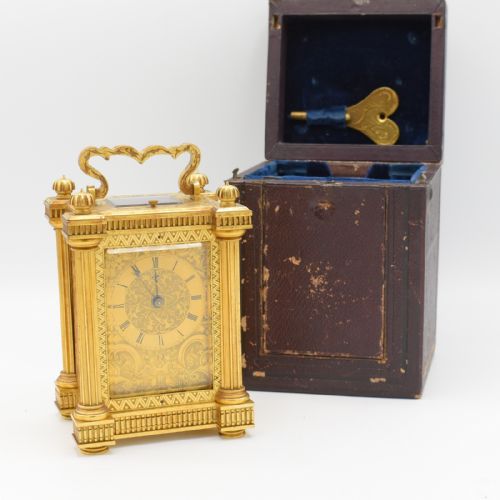
Signatures from notable makers or retailers inscribed on the dial or backplate indicate higher workshop standards. The presence of original matching travelling cases also distinguishes preserved survivals from those lacking complete provenance.
Henri Jacot·Cousens & Whiteside·Howell & James·Pickford of London·Drocourt Paris·T. Martin & Co·Margaine Of France·Richard & Co·Brunelot
The 19th Century Carriage Glossary
- Carriage clock
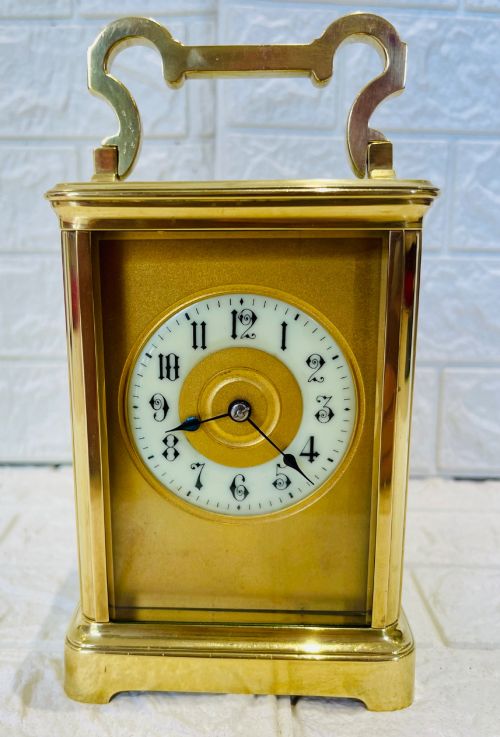
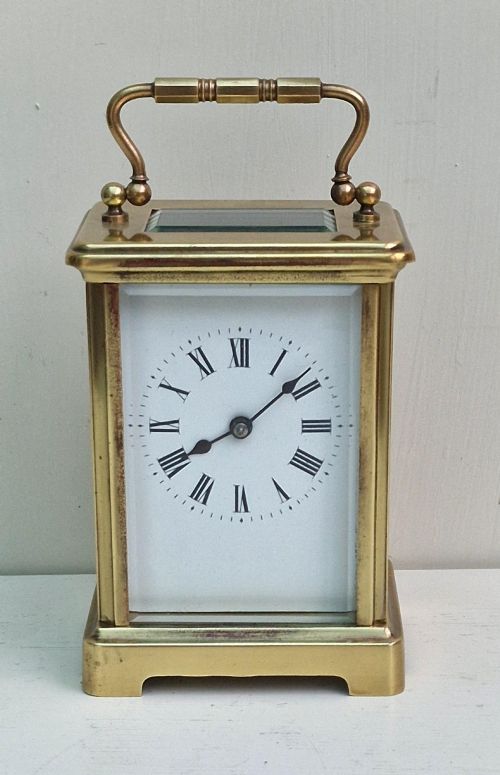
- A small, spring-driven clock originally designed for travel during the nineteenth century. These clocks typically feature a rectangular brass case with a glass top and sides to view the movement.
- Gorge case
- A specific stepped-profile brass case style commonly found on French timepieces of this period. This architectural design provides substantial weight and clean linear framing for the glass panels.
- Repeating movement
- A mechanical clock complication that strikes the hours and quarters upon depressing a button on the case. This function allowed travellers to check the time in darkness.
- Escapement
- The internal mechanism that regulates the speed of the clock by controlling the release of the gear train. Platform escapements became standard in portable travel timepieces.
- Champleve
- An enamelling technique where troughs are dug into the metal surface and filled with vitreous enamel before firing. This decorative method appears on luxury dials and bezels.
19th Century Carriage: Frequently Asked Questions
What is a carriage clock?
A carriage clock is a portable mechanical timepiece developed for travellers in the nineteenth century. They run on spring movements rather than pendulums, allowing them to keep time while moving.
Most examples feature brass frames with glass viewing panels and a folding handle on top. They range from plain brass timepieces to complex chiming models.
How do repeating clocks work?
A repeating clock uses an internal mechanism to restrike the last hour and quarter-hour when a button or lever on the case is activated. This allowed owners to tell the time in unlit rooms.
This complication required precise gear work, making repeating clocks more expensive to produce than standard timepieces.
Were signal cannons used on carriages?
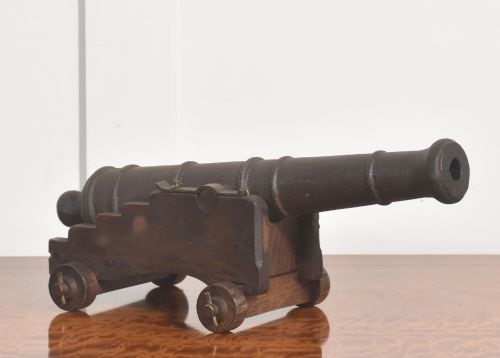
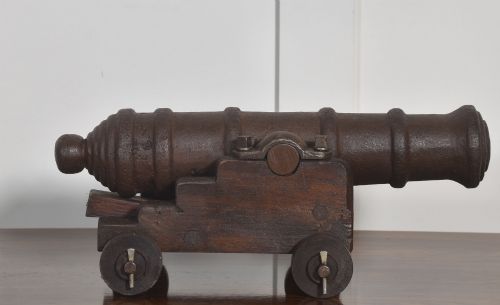
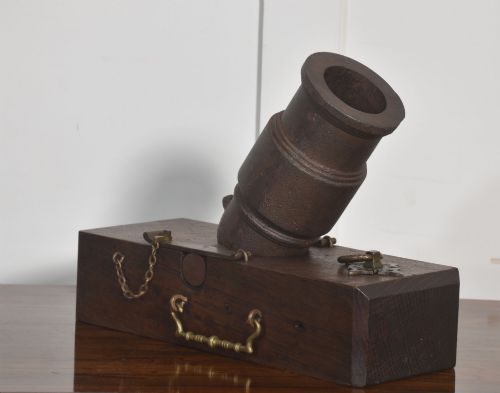
Signal cannons and mortars were mounted on wooden carriage bases for ceremonial use, estate signaling, or maritime warnings rather than vehicle transport. The term carriage refers to the wheeled wooden chassis supporting the barrel.
Found in iron and bronze, these pieces date across the nineteenth century and reflect military and naval practices.
How should I clean a brass case?
Brass cases should be dusted gently with a soft cloth to preserve the natural aged patina developed over the centuries. Abrasive polishes can remove original fire-gilt or fine surface engraving.
Mechanical servicing should be left to professional horologists rather than attempted at home.