




Horse Drawn Cart
These horse drawn cart pieces capture historical transport and rural labour through scale models, watercolours and oil paintings.
Horse Drawn Cart
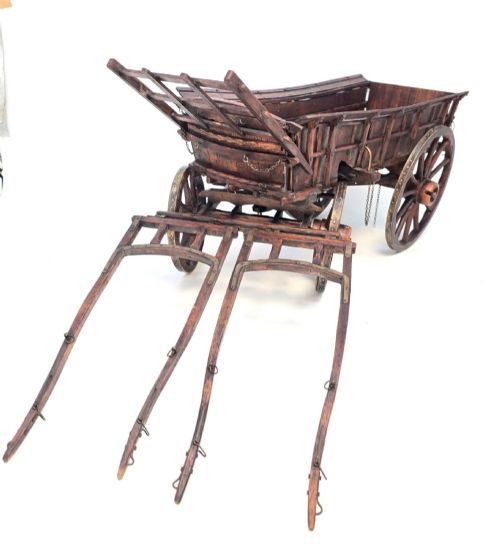
When you search for a horse drawn cart, you encounter two distinct forms: physical scale models of working farm and brewery vehicles, and framed artwork depicting them in landscapes. The models include twin horse farm hay carts and delivery waggons, built with meticulous detail to replicate historic transport.
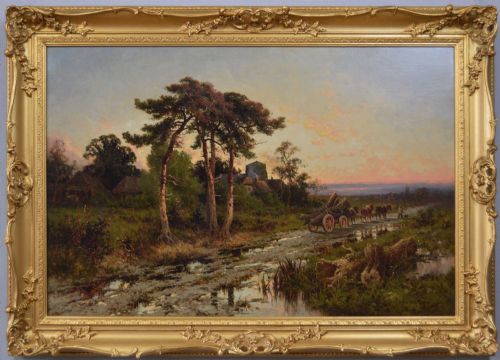
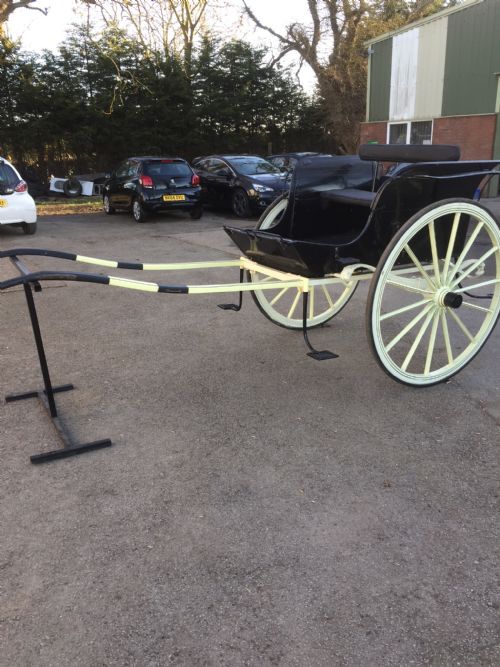
The artwork spans watercolours, oils and chalk drawings from the nineteenth century into the mid-twentieth century. You meet logging carts on country tracks, trading post delivery carts, and lightweight four-wheel traps captured by various British and European artists.
How they were made
The physical models and carts utilise traditional timber construction, featuring oak components alongside iron and brass hardware. Artisans shaped wood and metal to scale, often incorporating glass and paper elements into the final display pieces.
The flat works employ watercolour, oil, gouache and chalk upon paper and canvas, frequently set within walnut or original gilt frames. Painters used ink and chalk to define the intricate harness work and timber loads, applying pigments to capture atmospheric country scenes.
One brewery cart model quietly preserves the exact scale of a historic delivery round that once rumbled past Victorian pubs.
What varies in quality
Quality in the scale models rests on the precision of the miniature engineering and the fidelity of the harness and vehicle proportions. Fine examples maintain structural integrity across delicate iron and wooden elements.
In the paintings and drawings, excellence shows in the handling of light, movement and atmosphere by the artist. Stronger works convey the weight of timber loads and the tension of trotting horses through assured brushwork and composition.
Cecil Charles Windsor Aldin·Charles H Poingdestre·William Manners·Frank Saltfleet·Henry H Parker·Fred Lawson·John Baragwanath King·Reginald Mills·John Sinclair-Black
The Horse Drawn Cart Glossary
- Trap
- A light two-wheeled carriage pulled by a horse. These vehicles were commonly used for personal transport on country roads during the Victorian and Edwardian periods.
- Governess Cart
- A pony-drawn trap featuring inward-facing seats enclosed by a high wooden body. This design safely transported children and was popular in rural domestic settings.
- Gouache
- An opaque water-based paint method. Artists used this medium to achieve solid blocks of colour and fine illustrative detail in landscape scenes.
- Vernacular Folk Art
- Artistic work created by self-taught or provincial makers outside academic traditions. These pieces reflect local craftsmanship and traditional rural subjects.
Horse Drawn Cart: Frequently Asked Questions
What types of carts appear in these artworks?
The pieces depict logging carts hauling heavy tree trunks, farm hay carts, delivery waggons, and lightweight passenger traps. Artists recorded these working vehicles operating in various rural and village settings.
These depictions reflect the everyday reliance on horse transport across the nineteenth and early twentieth centuries before motor vehicles dominated.
Which periods do these items represent?
The selection spans from the nineteenth century through the Edwardian era up to the mid-twentieth century. Most artworks and models date from the late Victorian period to the nineteen-thirties.
This timeframe captures the final decades of widespread horse-drawn transport alongside contemporary artistic documentation of it.
How were these carts used historically?
Working vehicles moved heavy loads such as timber, hay and brewery goods across rural and urban routes. Lighter traps and governess carts served for personal travel and transporting families around country estates.
Every vehicle design directly answered specific practical needs in commerce and daily movement.