



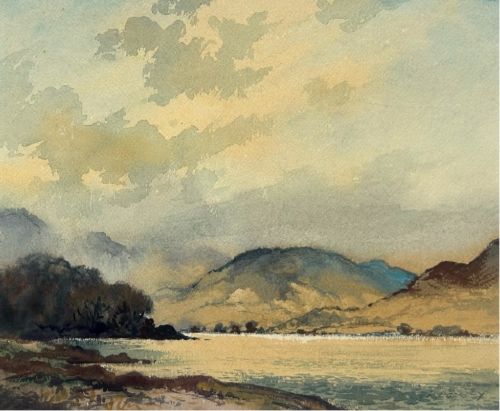
Blue Paper Artwork
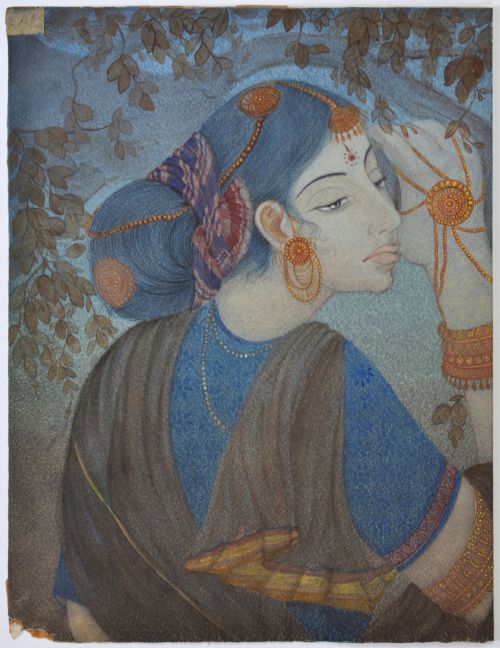
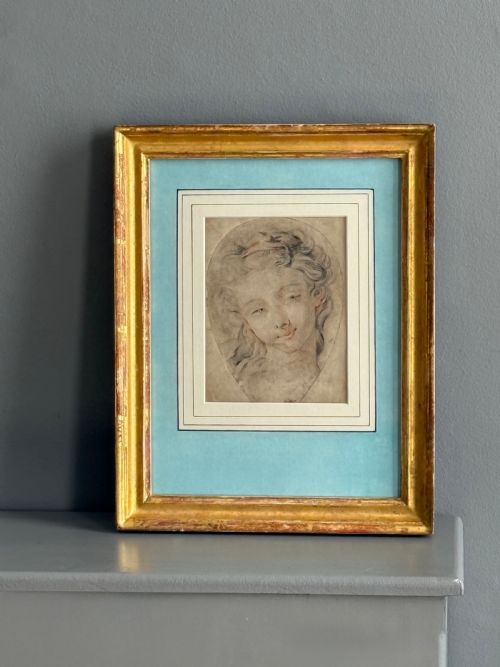
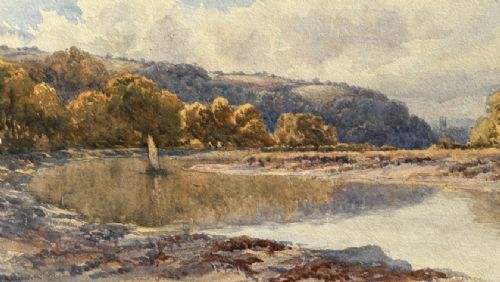
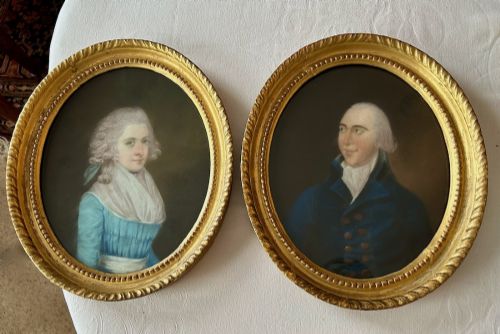
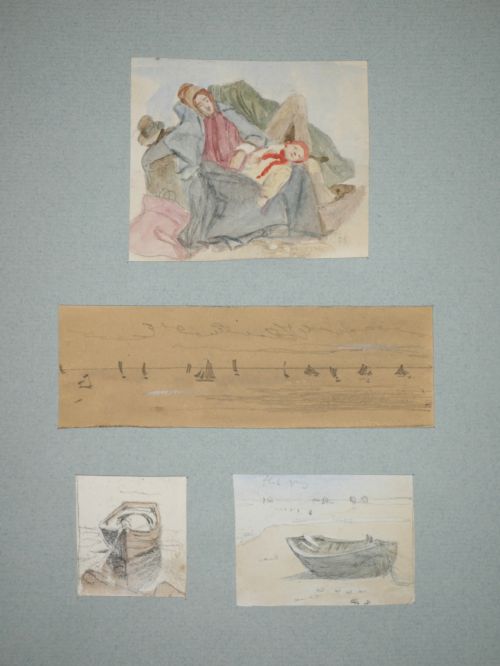
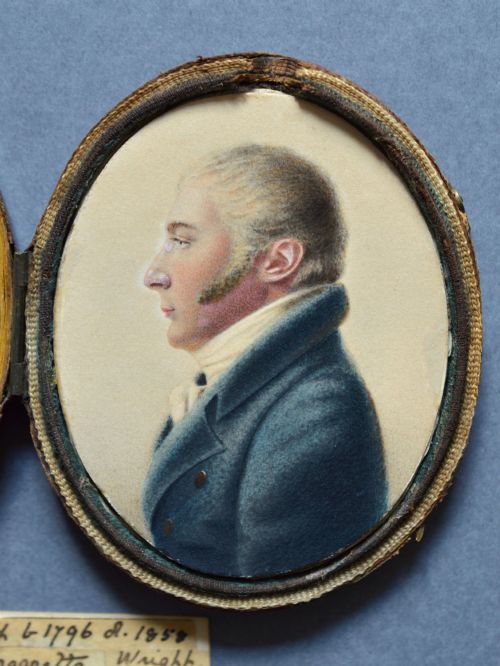
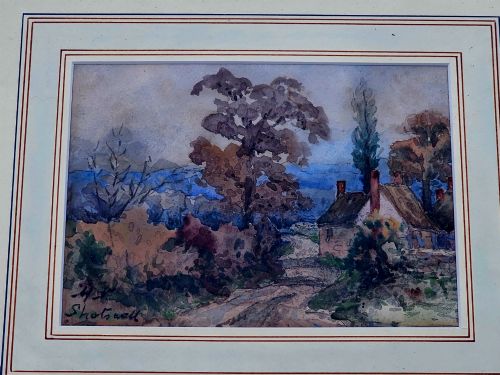
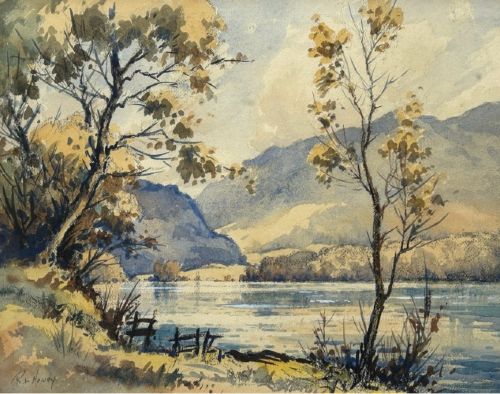
Blue paper artwork brings together delicate watercolours, pastels, and prints set against tinted grounds.
Blue Paper Artwork
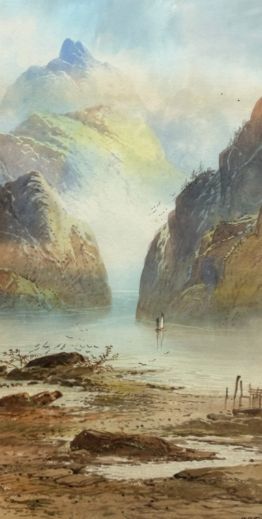
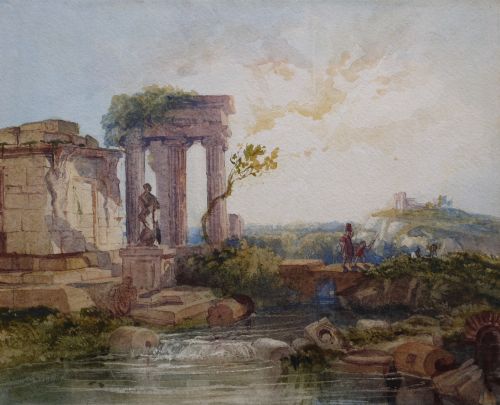
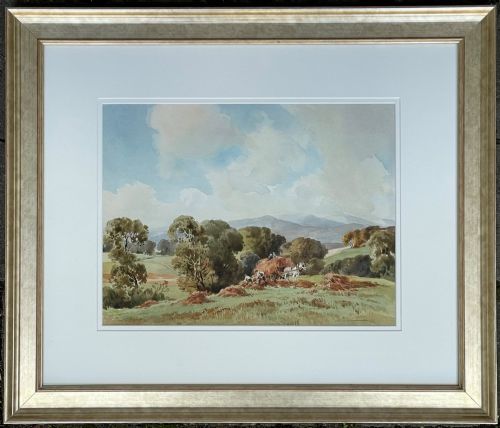
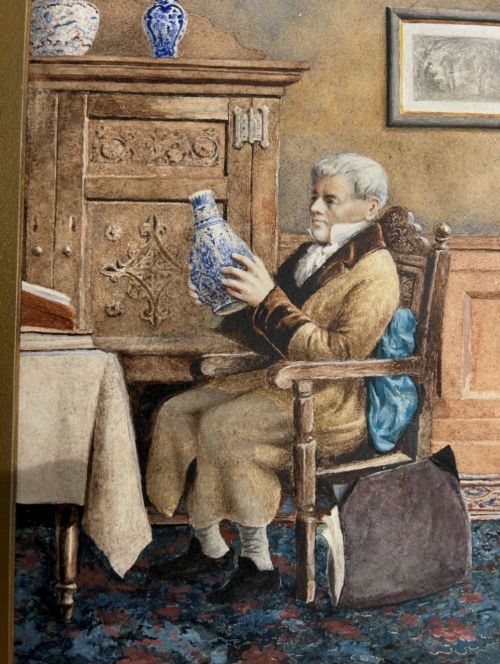
Blue paper artwork spans diverse centuries, capturing landscapes, maritime scenes, and portraits rendered upon tinted surfaces. Buyers searching for blue paper artwork encounter framed paintings, antique prints, and drawings produced across the nineteenth and twentieth centuries.
The material forms vary widely, ranging from British Impressionist watercolours and pastel portraits to Japanese woodblock prints and Chinese scrolls. Most pieces on this page originate from British and European hands, employing the visible blue ground to alter the tone of the pigment applied above.
Materials and Technique
Makers applied watercolour pigment, ink, and pastel directly onto paper sheets, utilising the inherent tint of the blue ground as a mid-tone within the composition. Woodblock printing techniques also surface, alongside hand-painted ink lines on delicate scrolls.
Framed behind glass, these works relied on the interaction between water-based paints and the fibrous texture of the paper. Wood is frequently utilised for the protective framing structures surrounding the pieces.
Several artists preferred blue paper specifically so the moonlit skies could paint themselves.
Assessing Quality
Quality rests upon the sureness of the hand and the preservation of the delicate pigments against fading over time. Strong draughtsmanship in ink and watercolour distinguishes master works from simpler decorative prints.
The harmony between the pigment density and the blue paper ground dictates the visual depth of each piece. Superior examples retain their original colour balance without excessive discolouration from age or light exposure.
James Orrock·William Henry Earp·Percy Lancaster·Cecil Beaton·Warwick Goble
The Blue Paper Artwork Glossary
- Watercolour
- A painting method where fine pigment is suspended in a water-soluble binder. It is traditionally applied to paper surfaces to create transparent washes of colour.
- Pastel
- A dry painting medium in the form of a stick, consisting of powdered pigment and a binder. It leaves a velvety surface texture on tinted papers.
- Woodblock print
- An image carved into a wooden block, inked, and transferred onto paper under pressure. This technique appears in both European and Japanese works.
- Provenance
- The documented history and previous ownership of an artwork. It establishes authenticity and traces the journey of the piece through time.
Blue Paper Artwork: Frequently Asked Questions
How should I display blue paper artwork?
Keep these pieces away from direct sunlight to prevent the watercolour pigments and blue paper grounds from fading. Hang them in rooms with controlled humidity and stable temperatures.
Ensure each piece is framed behind glass with a suitable mount that prevents the paper from touching the glazing directly.
How do I identify the period of a piece?
Examine the framing materials, paper stock, and stylistic markers such as Victorian maritime themes or early twentieth-century impressionism. Signatures and dates inscribed by the artist offer the most direct confirmation of age.
Compare the handling of the medium against known works from the same decades to verify the era of production.
What is the difference between pastel and watercolour?
Watercolour employs liquid pigment washes that soak into the blue paper fibres, creating translucent layers and sharp ink outlines. Pastel utilises dry pigment sticks that rest as a powdery layer on top of the tinted surface.
Pastel works require particularly careful handling behind glass to prevent the loose pigment particles from shifting over time.
Are these works original or printed?
The listings include both unique hand-painted watercolours and historical printed editions such as woodblock prints and illustrated book plates. Inspecting the surface with a magnifier reveals whether the pigment sits as individual brushstrokes or dots of printed ink.
Original paintings show direct evidence of the artist's hand, while prints repeat an identical composition across multiple impressions.