



Traditional Equestrian Carriage
These traditional equestrian carriage works capture the movement and history of horse-drawn transport through oil paintings and prints.
Traditional Equestrian Carriage
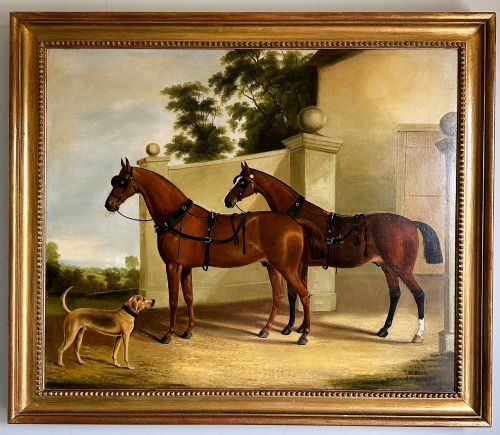
A traditional equestrian carriage search brings up fine art and oil paintings depicting historic horse-drawn transport. You encounter coaching scenes, mail coaches, and hunting subjects across this selection.
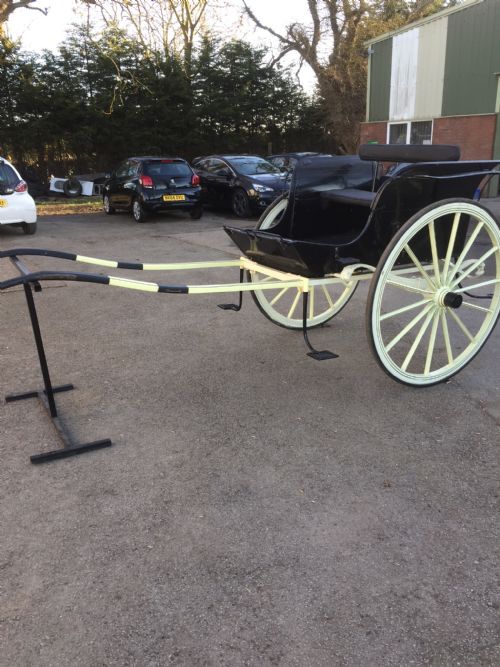
Most items on this page belong to the nineteenth century, alongside Edwardian and 1920s examples. The visual record spans stagecoaches, tandems, and two-wheel traps.
The offerings consist heavily of oil paintings on canvas and framed wall art. These works document British sporting traditions through depictions of horses, hounds, and winter roads.
How they were made
Makers utilised oil paint on canvas to build rich scenes of coaches and horses. Many works feature traditional giltwood frames that complement the painting.
Artists employed careful brushwork to render snow, winter weather, and swift motion. Paper and glass also appear within the framed wall art items.
Listings span periods from the nineteenth century to nineteen thirty, featuring oil paint, canvas, giltwood, and paper.
What varies in quality
The strength of the composition and the handling of the horses differentiate the pieces. Works by named artists demonstrate greater mastery in capturing motion.
The condition of the oil paint and the preservation of the original giltwood frame influence the overall character of the art.
George Wright·Philip Henry Rideout·Samuel Henry Alken·John Charles Maggs·John Richard Worsdale·H. Alken
The Traditional Equestrian Carriage Glossary
- Oil painting
- A work created using pigments bound in a drying oil medium. This technique allows for rich texture and deep colour depth.
- Giltwood frame
- A wooden frame covered with a thin layer of gold leaf or gilt. These frames often accompany traditional British sporting art.
- Stage coach
- A horse-drawn vehicle that ran on a scheduled route between fixed stations. These conveyances form a primary subject for coaching paintings.
- Tandem
- A arrangement where two horses are harnessed one behind the other rather than side by side. This driving configuration requires skilled handling.
- Sporting art
- Depictions of rural sports, equestrian subjects, and hunting scenes. This genre holds a central place in British painting traditions.
Traditional Equestrian Carriage: Frequently Asked Questions
What periods do these paintings represent?
The works span the nineteenth century, the Edwardian era, and the early twentieth century. Painters of these decades recorded the fading era of horse-drawn travel.
Dates range from the Georgian and Regency periods through to nineteen thirty, reflecting enduring interest in coaching subjects.
How were these art pieces originally displayed?
Such paintings and prints traditionally hung in country houses, libraries, and sporting estates. They celebrated the British coaching heritage and rural pursuits.
Framed in giltwood, the artworks served as decorative focal points in formal rooms.
What subjects appear most frequently?
Mail coaches, stagecoaches, and winter snow scenes dominate the imagery. Horses and hounds also feature prominently in fox hunting and coaching depictions.
Artists frequently captured moments of swift transit, such as royal mail carriages travelling between cities.
Are all items original paintings?
The selection includes both original oil paintings on canvas and older printed works. Mediums range from oil paint to paper.
Each format preserves historical records of nineteenth-century transport and equestrian life.