


19th Century Canvas Artwork
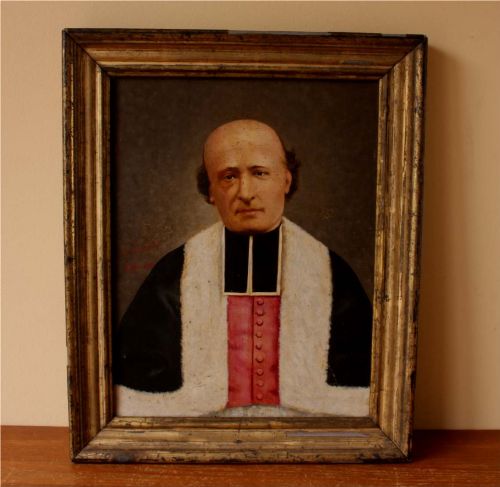
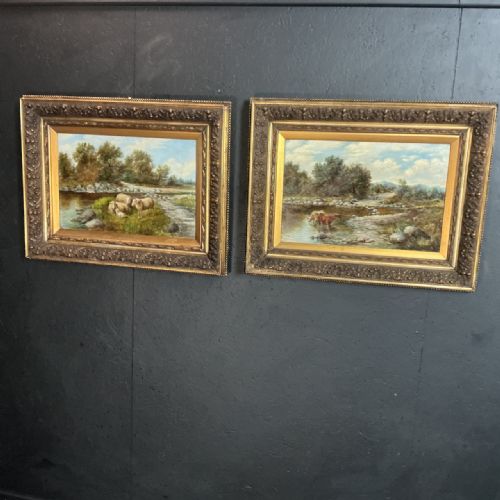
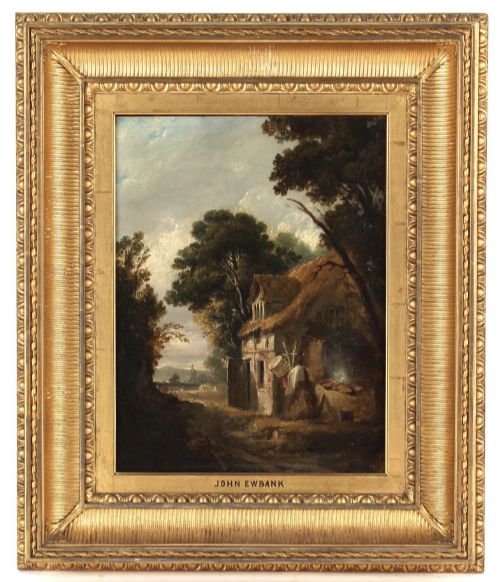
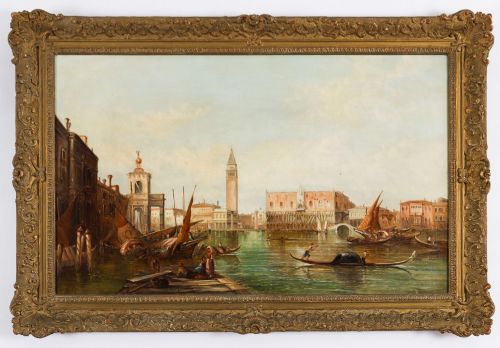
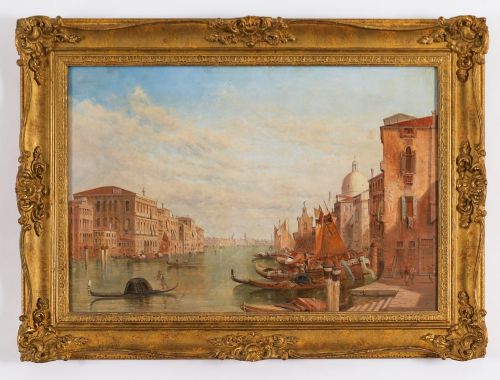
These 19th century canvas artwork pieces bring period oil paintings into a room, offering genuine historical depth through traditional portraiture and landscape.
19th Century Canvas Artwork
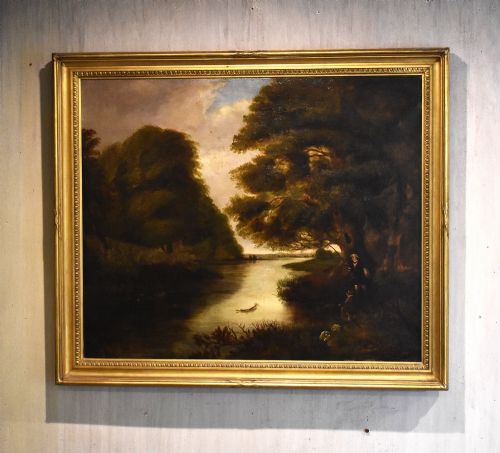
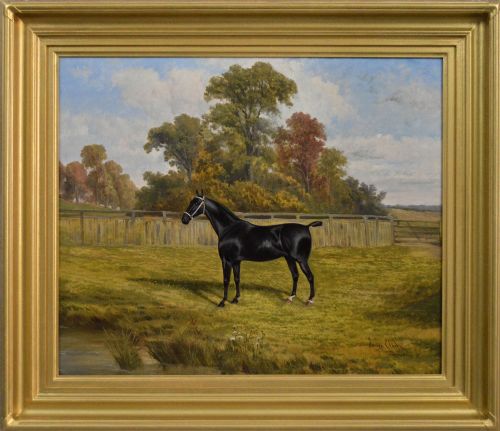
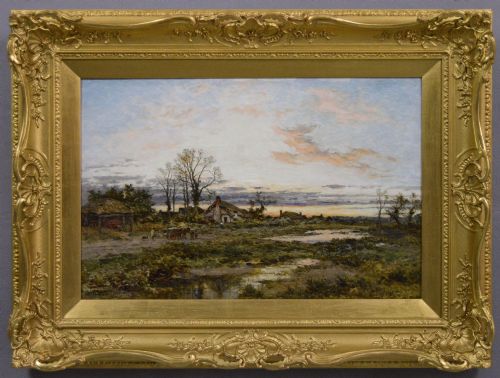
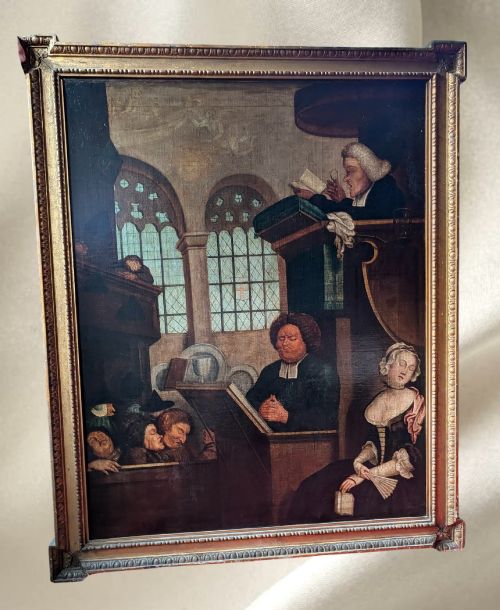
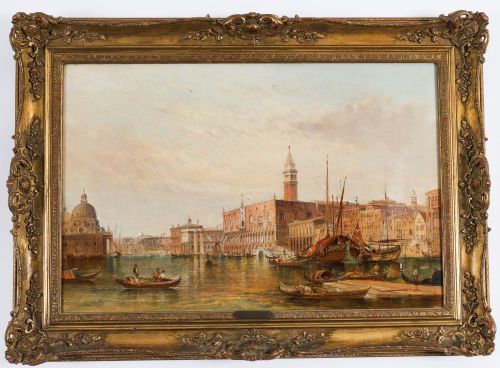
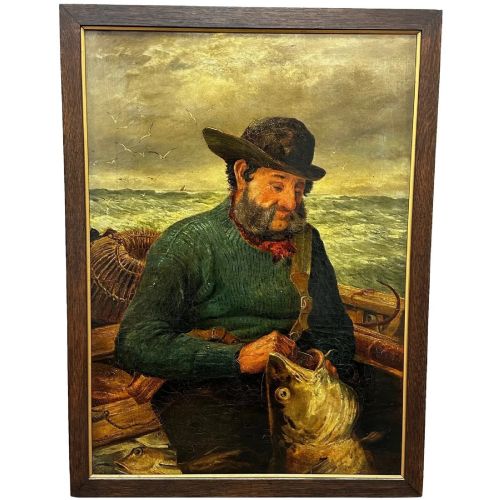
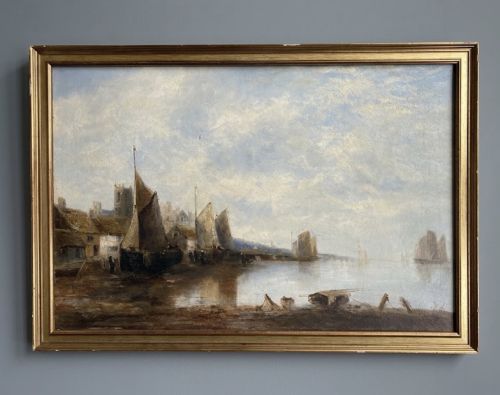
When searching for 19th century canvas artwork, buyers encounter traditional oil paintings spanning genres from detailed portraits and pastoral landscapes to marine scenes and still lifes. These works reflect the aesthetic movements of the period, including the Victorian era, the Barbizon School, and various regional French and British schools.
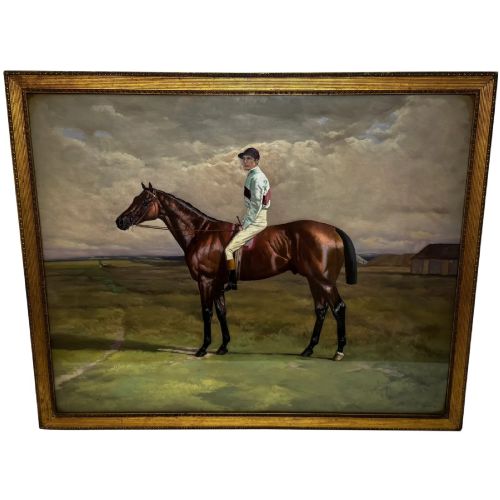
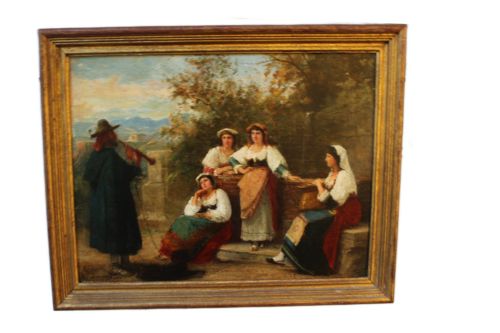
The most common version met on this page is the framed oil painting on canvas, frequently housed in period giltwood or gesso frames. Subjects range from domestic interior scenes and equine portraits to devotional works and romantic coastal views.
Materials and Technique
Artists of this era painted primarily with oil paint applied to stretched woven canvas, supported underneath by wooden stretcher frames. These canvases were often finished with protective layers of varnish that have aged to various patinas over time.
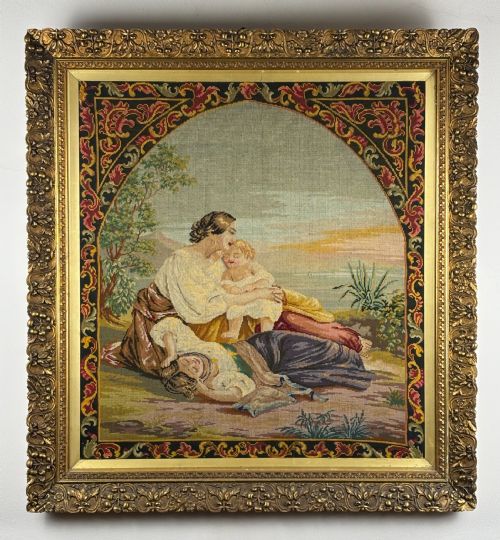
Many works are set within elaborate frames constructed from wood and finished with gesso and gold leaf or giltwood mouldings. The combination of textured oil pigment and carved, gilded framing defines the physical structure of these pieces.
19th Century Canvas Artwork Retail Price Guide 2026
Typical asking prices for 19th century canvas artwork among the pieces listed under this phrase on Sellingantiques today, from the lower quarter to the upper quarter. They describe what is for sale here now, not the wider market.
Listings feature works from across the 19th century, incorporating both British and French regional schools alongside specialised genres like marine and still life painting.
Judging Quality
The distinction between tiers of work rests on the handling of light, brushwork confidence, and anatomical or spatial precision. Masterful portraiture and landscape depth show subtle colour gradation and confident pigment application rather than rigid, formulaic execution.
Henry Barraud·Eugène Verboeckhoven·Richard Sebastian Bond·Felix Stone Moscheles·Vittorio Reggianini
The 19th Century Canvas Artwork Glossary
- Gesso
- A plaster-like mixture applied to wood frames to create a smooth surface for gilding. It is carved or moulded into decorative patterns before the application of gold leaf.
- Giltwood
- Wood that has been thinly coated with gold leaf or gold paint. This technique was widely utilised for framing 19th-century paintings to enhance their visual weight.
- Stretcher
- The internal wooden framework that holds a canvas taut. Traditional 19th-century stretchers often feature corner keys used to adjust the tension of the fabric.
- Barbizon School
- A mid-19th-century movement in French art part of an art trend towards realism in landscape painting. Painters focused on rural subjects and direct observation of nature.
19th Century Canvas Artwork: Frequently Asked Questions
How do I care for an oil painting on canvas?
Keep the piece away from direct sunlight and steady temperature fluctuations to prevent the canvas from slackening or the paint from cracking.
Dust the surface gently with a soft, dry brush and avoid using liquid cleaners or chemical solvents on either the canvas or the frame.
How can I tell a genuine 19th-century canvas from a later copy?
Examine the reverse of the canvas and the wooden stretcher for signs of age, such as oxidised staples or handmade tacks, yellowed linen fibres, and maker stamps from period suppliers.
Inspect the crackle network within the paint layer, which develops naturally as oil paint ages and hardens over many decades.
What is the Barbizon School?
The Barbizon School refers to a group of French painters who gathered around the village of Barbizon near Fontainebleau Forest to paint rural landscapes directly from nature.
Their work emphasised atmospheric effects, tonal subtlety, and realistic depictions of farmyards and forests.
Why are some paintings attributed to a school rather than an artist?
Attributions to a specific school indicate that a piece was created within a particular region, period, or stylistic tradition without bearing a signature or documented provenance for an individual master.
These works demonstrate the widespread techniques and aesthetic values shared by contemporary painters working within that artistic circle.