



19th Century Canine Portrait
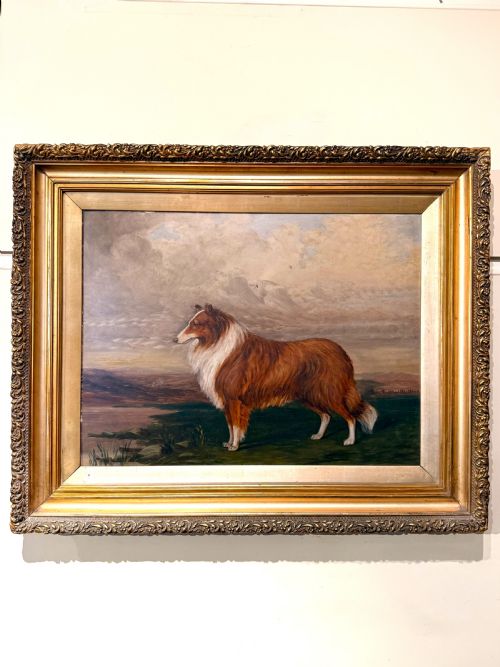
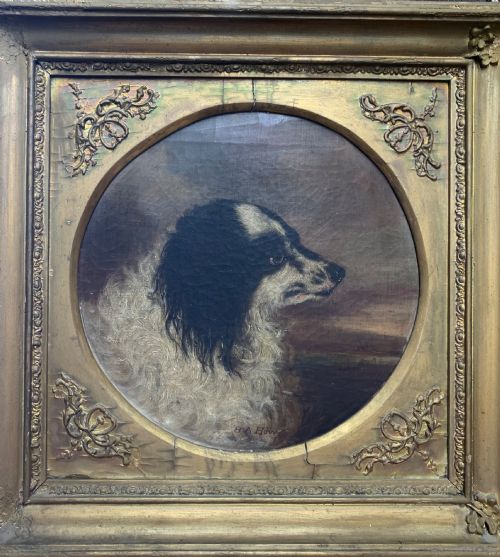
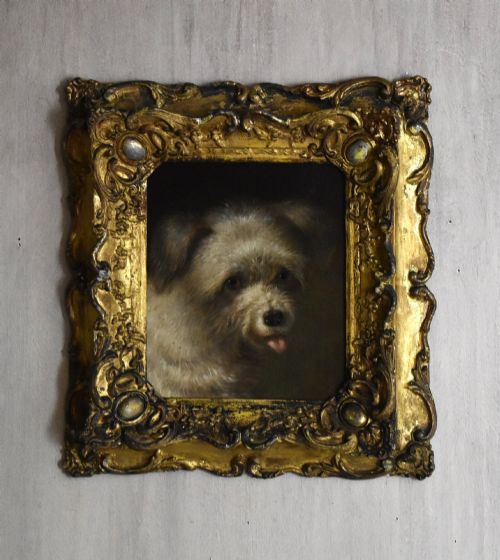
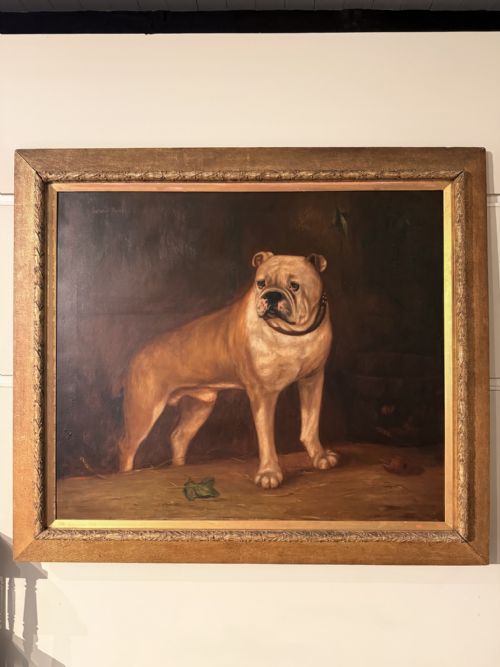
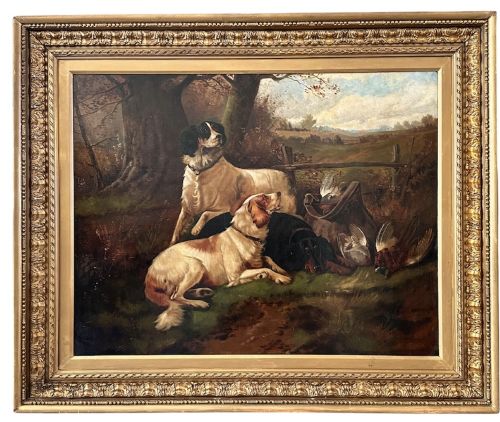
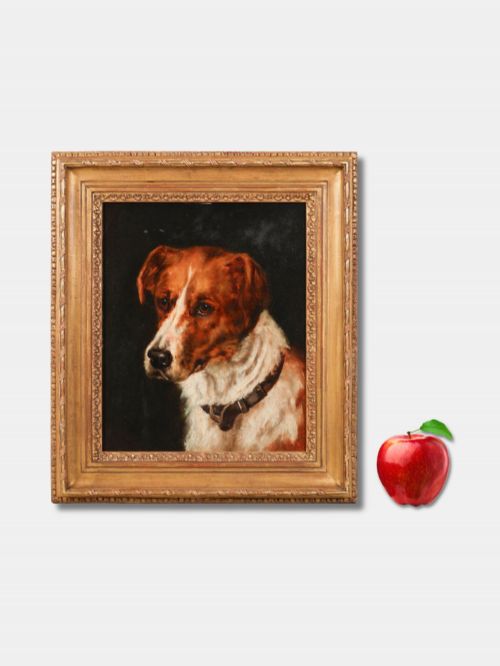
A 19th century canine portrait captures the individual character of a cherished animal through the rich texture of oil paint.
19th Century Canine Portrait
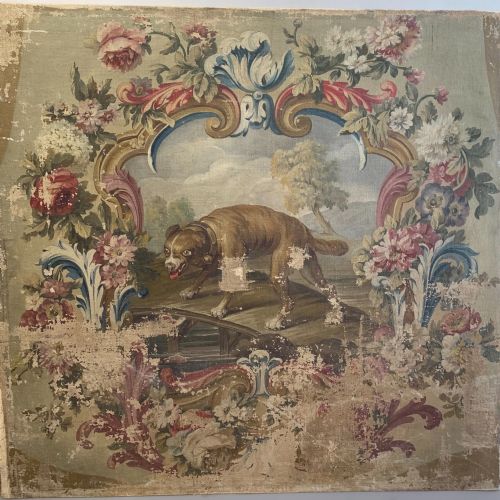
A 19th century canine portrait offers a direct look into the Victorian and Regency relationship with animals, ranging from working gun dogs to pampered pets. The pieces on this page appear predominantly as oil paintings on canvas or board, alongside occasional drawings, silhouettes, and engravings.
Subjects include named spaniels, terriers, greyhounds, and collies, often rendered within detailed landscapes, country houses, or simple studio backdrops. Many works align with Victorian sporting art and realism, reflecting a period when animal painting gained significant artistic prestige.
Materials and technique
Artists relied primarily on oil paint applied to canvas or wood panel, building up rich layers of pigment to render the specific sheen of a dog coat. Gold leaf and giltwood frequently frame these works, adding a reflective border that complements the warm tones of the oils.
Draughtsmanship underpinned the best examples, whether executed through fluid oil brushwork, precise pencil drawing, or delicate drypoint etching. Support materials range from traditional artist canvas to primed board and occasionally unconventional surfaces like an artist's palette.
Several dogs gaze out permanently guarding trapped rats or waiting beside a shipwreck.
Distinctions in quality
Quality rests upon the artist's ability to convey bone structure, muscular tension, and the alert intelligence in a dog's eye rather than a generic canine shape. Superior works capture a convincing likeness and individual personality, moving beyond a standard formula.
The handling of the surrounding environment also marks the tier of a piece, with master painters integrating the animal into a coherent landscape with considered light and shadow. Weaker examples exhibit stiff poses and flat, perfunctory backgrounds lacking spatial depth.
Valentine T. Garland·Martin Theodore Ward·John Sargent Noble·John Emms·John Frederick Herring Senior·William Barraud·Augustin Edouart·Samuel Raven·Sir Edwin Landseer·Colin Graeme Roe·John Trivett Nettleship·George Earl·James Ward·Charles Bilger Spalding
The 19th Century Canine Portrait Glossary
- Canvas
- A heavy woven fabric used as a surface for oil painting. It provides a distinct textural grain that interacts with the layers of applied pigment.
- Giltwood
- Wood carved and then covered with a thin layer of gold leaf or gilt. This material forms the ornate decorative frames typical of the period.
- Drypoint
- A printmaking technique where an image is scratched directly onto a metal plate with a sharp needle. This process raises a burr that holds ink for a velvety printed line.
- Sporting art
- A genre of painting dedicated to rural pursuits, hunting, and prized animals. It reached a high point of popularity during the Victorian and Regency eras.
- Realism
- An artistic movement focusing on everyday subjects depicted without idealisation. In canine portraiture, this means recording the exact coat, build, and worn paws of a working animal.
19th Century Canine Portrait: Frequently Asked Questions
What kind of dogs appear most often?
Terriers, spaniels, setters, and collies dominate the selection, reflecting the working and companion breeds favoured during the period.
Sporting dogs like pointers and hounds also feature prominently, often shown in landscapes or alongside their owners.
How were these portraits originally displayed?
Owners hung these paintings in country houses, libraries, and parlours to celebrate prized pets, working companions, or famous racing champions.
They served as permanent tributes to animals that held significant status in the household.
Are all the works original paintings?
While the majority consist of original oil paintings on canvas or board, the selection also includes period drawings, silhouettes, engravings, and etchings.
Some pieces are later Victorian copies or tributes after renowned animal painters of the era.
How do I identify the period of a frame?
Original giltwood frames often show period construction methods, traditional joinery, and patination consistent with nineteenth-century gilding techniques.
Frames frequently match the aesthetic weight and style of the painting they enclose.