




Antique Animalier Oil Painting
These antique animalier oil paintings capture the fierce and gentle life of beasts, birds and farm animals on canvas.
Antique Animalier Oil Painting
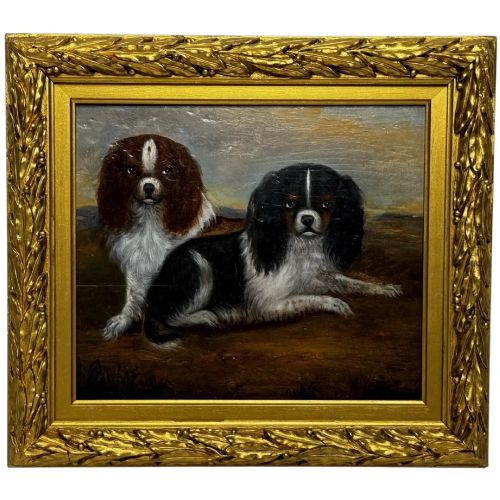
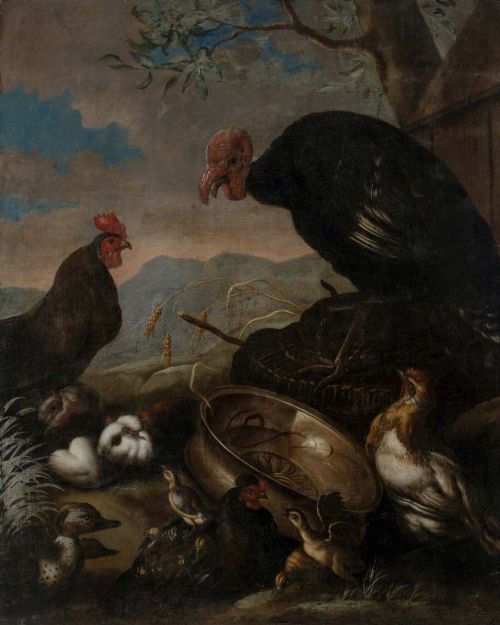
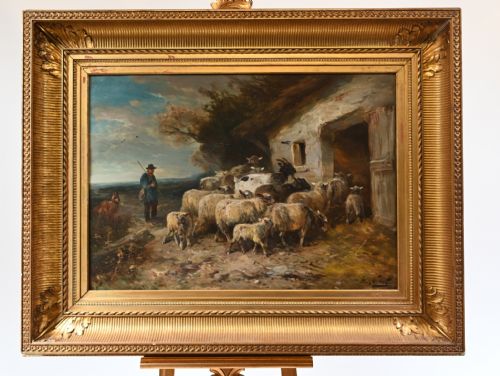
An antique animalier oil painting portrays animals within landscapes or pastoral settings, spanning periods from the seventeenth century through to the early twentieth century. These works range from grand canvases featuring birds and fowl near castle ruins to intimate portrayals of sheep, farm animals and domestic pets. The selection includes works by notable European artists alongside pieces from followers and attributed makers.
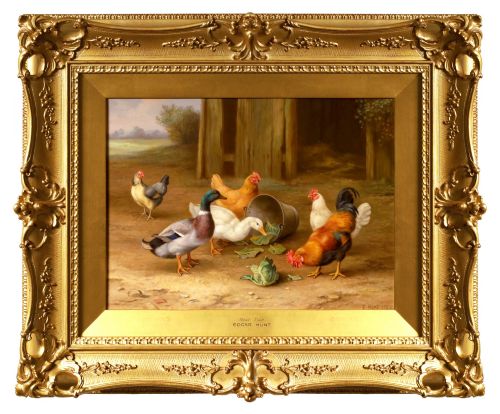
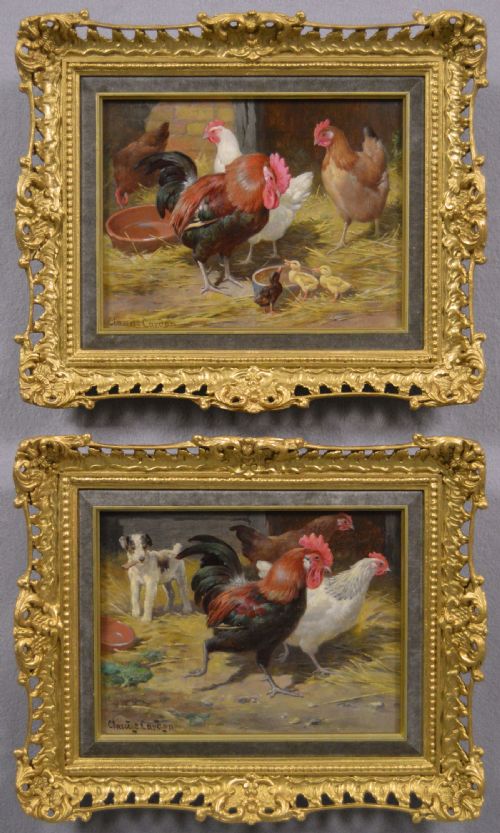
Most examples found here date from the nineteenth century, reflecting the era's deep fascination with realism and romanticism in animal subjects. Forms vary from single framed artworks of a pony or a leopard to paired paintings of chickens and farm animals. Canvases are frequently housed in giltwood, gold leaf or gilded wooden frames that complement the oil paint medium.
How they were made
Artists of these works applied oil paint directly onto stretched canvas or wooden board, building up textures for fur, feathers and landscape details. Painters utilised the rich drying properties of oil to achieve subtle tonal shifts in light across animal coats and surrounding foliage.
Framing involved skilled woodworking and gilding techniques, applying gold leaf onto wooden mouldings such as giltwood and gilded wood to create ornate borders that protected and enhanced the oil paintings.
Antique Animalier Oil Painting Retail Price Guide 2026
Typical asking prices for animalier oil painting among the pieces listed under this phrase on Sellingantiques today, from the lower quarter to the upper quarter. They describe what is for sale here now, not the wider market.
Several paintings record the intense rivalry between domestic cats and freshly caught fish.
What varies in quality
Quality rests in the anatomical precision of the animal subjects and the dexterity of the brushwork in rendering textures like fur and plumage. Master works capture the distinct character and movement of beasts against detailed backgrounds, whereas lesser pieces rely on stiff or formulaic compositions.
The sophistication of the surrounding frame also marks the grade of the piece, with deep relief work and genuine gold leaf elevating the overall presentation compared to simpler wooden mouldings.
Valentine T. Garland·Angelo Maria Crivelli·Edgar Hunt·Henry Schouten·Claude Cardon·Eugene Verboeckhoven·Horatio Henry Couldery·Geza Vastagh·Cuthbert Edmund Swan
The Antique Animalier Oil Painting Glossary
- Animalier
- A term describing art that depicts animals, encompassing wild beasts, farm stock and domestic pets. It gained prominence in nineteenth-century European painting and sculpture.
- Giltwood
- Wood that has been coated with gold leaf or gold paint for decorative effect. It forms the primary material for many traditional picture frames.
- Realism
- An artistic movement focused on depicting subject matter truthfully without artificiality. In animal painting, it avoids theatrical staging in favour of accurate anatomical representation.
- Romanticism
- An artistic approach emphasising emotion, individualism and dramatic natural settings. Works in this style often place animals within moody landscapes or atmospheric ruins.
- Oil on Canvas
- A technique where oil-based pigments are applied to a woven fabric stretched across a wooden support. This combination provides a durable and flexible surface for layered brushwork.
Antique Animalier Oil Painting: Frequently Asked Questions
What is an animalier oil painting?
An animalier oil painting is a work of fine art dedicated primarily to the portrayal of animals, ranging from domestic livestock and pets to wild beasts in natural or dramatic settings. These pieces utilise oil paint on canvas or board to capture the textures of fur, feathers and hides.
The genre spans several centuries, with nineteenth-century examples being particularly common, reflecting a broader cultural interest in the natural world and realism during the period.
Where were these paintings made?
These oil paintings originate from various European art centres, including Britain and continental locations such as Belgium and Italy. Artists travelled or worked within established regional schools of animal painting.
Each region brought distinct traditions to the genre, from Baroque Italian compositions featuring fowl near ruins to British and Belgian pastoral scenes of sheep and poultry.
How should I hang an oil painting?
Hang oil paintings on interior walls away from direct sunlight and damp environments to protect the canvas and the traditional wooden frame. Ensure the wall fixings are secure enough to support the weight of the gilded wood or giltwood frames.
Position the artwork at eye level in a room with stable temperature and humidity to preserve both the oil paint surface and the structural integrity of the stretcher.
How do I identify the period?
Dating relies on stylistic clues, framing materials and the physical condition of the canvas or board, alongside artist signatures or attribution records. Seventeenth-century works often feature darker, theatrical palettes like Baroque compositions, whereas nineteenth-century pieces lean towards realism and romanticism.
Examining the back of the canvas, stretcher bars and the type of gold leaf or giltwood on the frame provides further evidence of the era of production.