
19th Century Candle Sconce
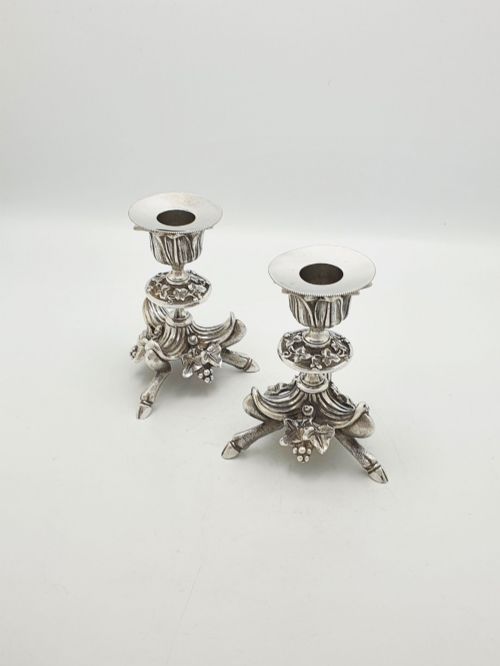
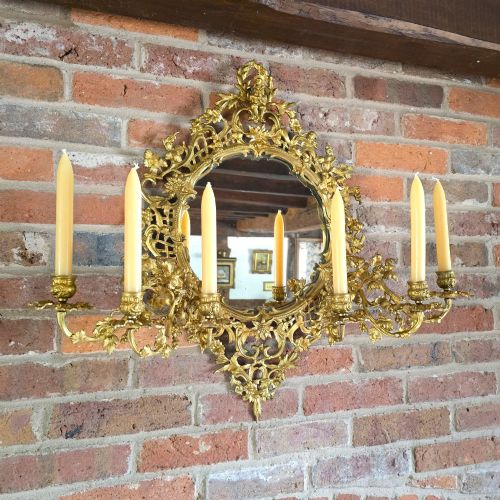
These pieces are a 19th century candle sconce, providing period illumination and wall decoration through cast metal, carved wood, and reflective glass.
19th Century Candle Sconce
When searching for a 19th century candle sconce, collectors encounter wall-mounted lights, girandoles with integrated mirror glass, and candleholders designed to project light into a room. These objects span the Regency, Victorian, and later periods, often reflecting French Rococo Revival, Neoclassical, and Aesthetic Movement tastes.
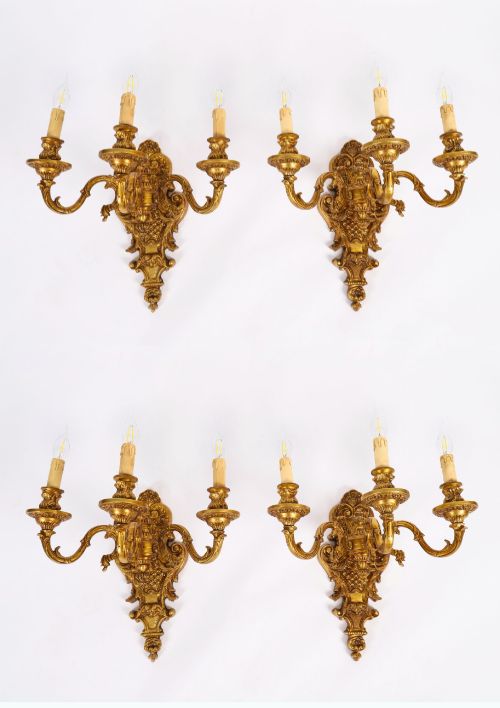
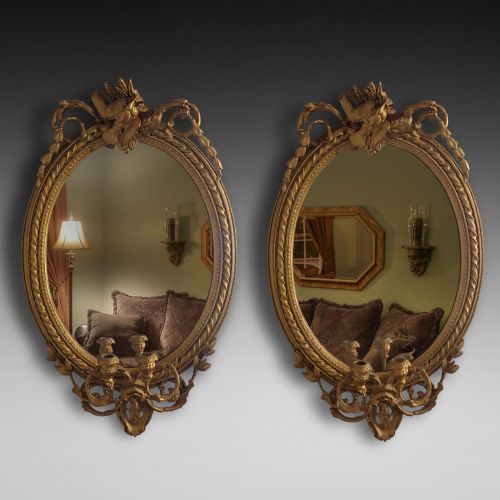
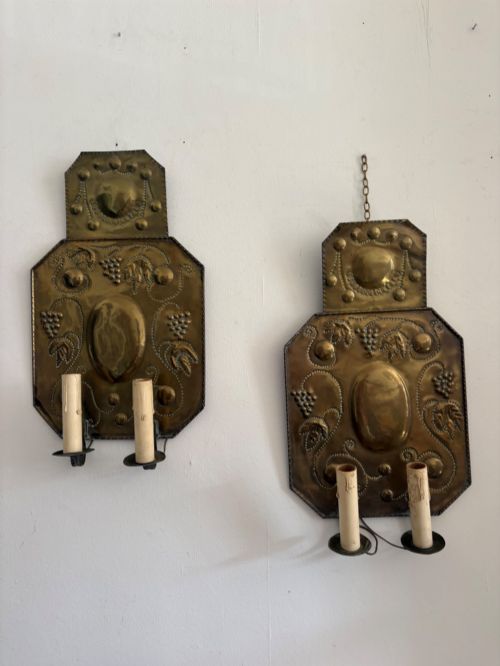
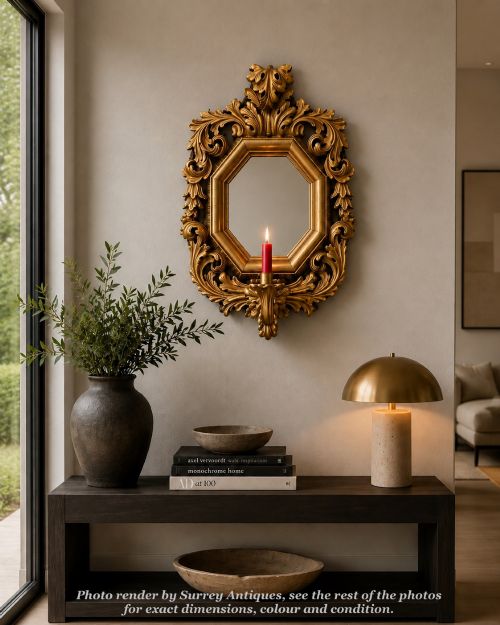
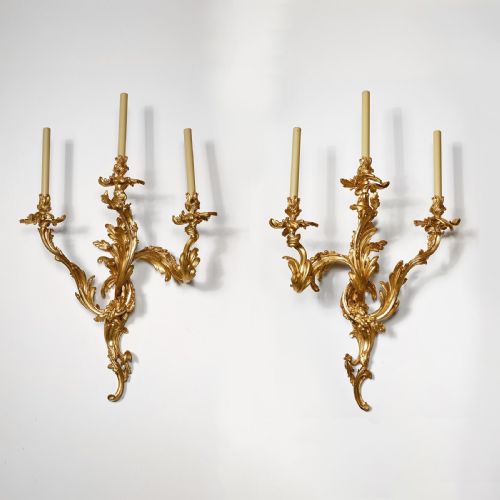
The forms range from single-branch brass plates to multi-branched ormolu appliques and ornate giltwood girandole mirrors. Many survive as pairs, designed originally to flank mantelpieces, doorways, or pier glasses.
Origins vary across English, French, Dutch, and Italian workshops, with French Belle Époque and Louis Revival pieces appearing frequently among the selections.
How they were made
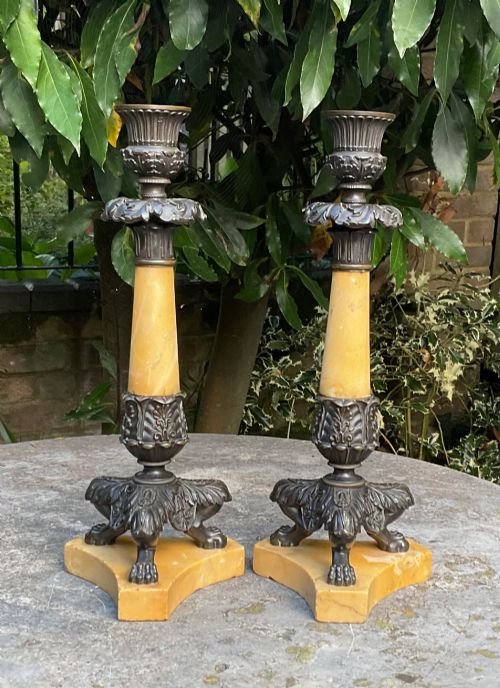
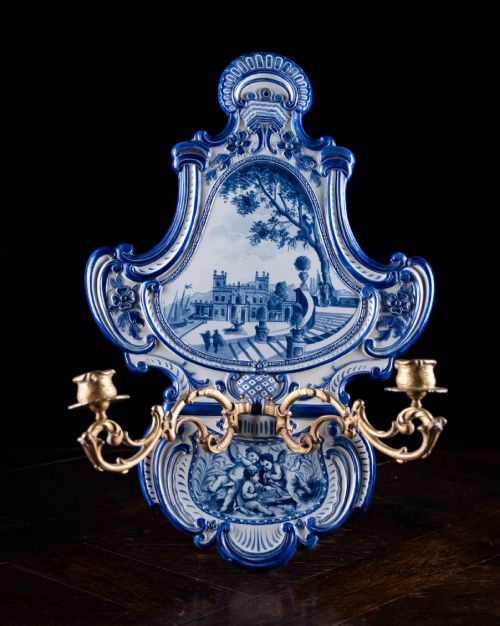
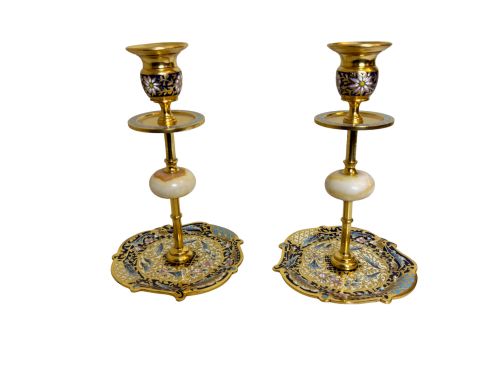
Casting techniques dominated the metalwork, utilising brass, bronze, spelter, and ormolu to create sculptural arms, figural mounts, and backplates. Champlevé enamel, porcelain inserts, and inset onyx or white marble frequently complemented the metal foundations.
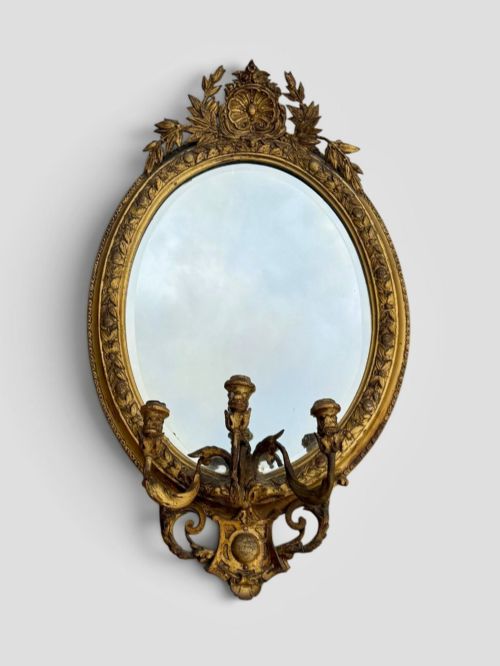
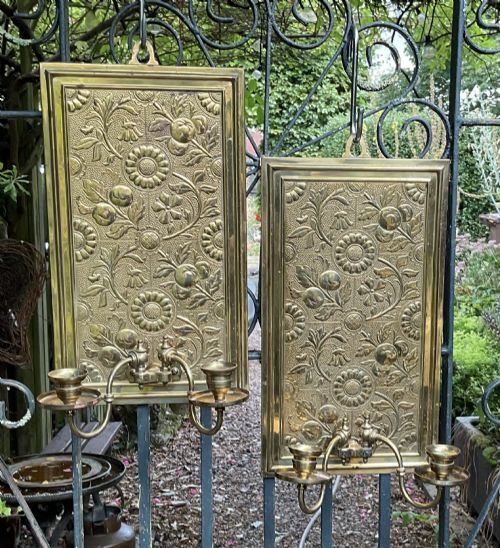
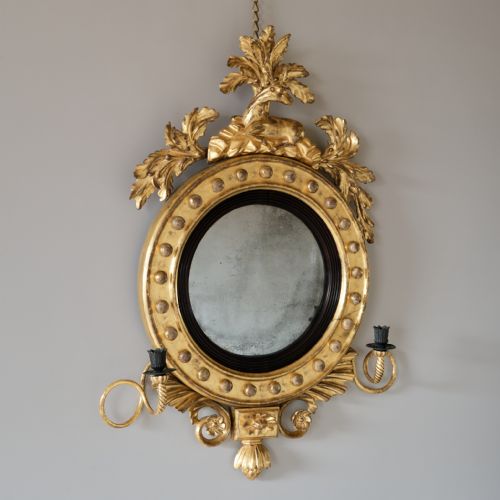
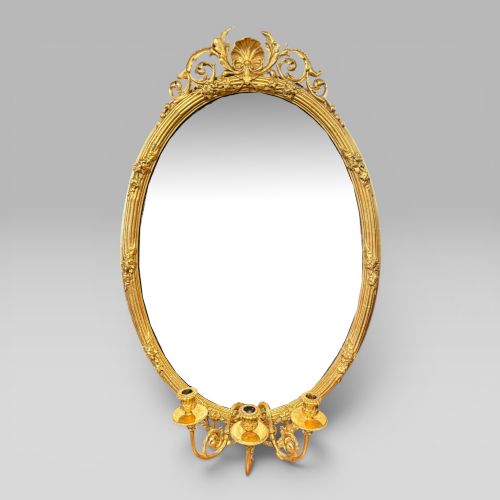
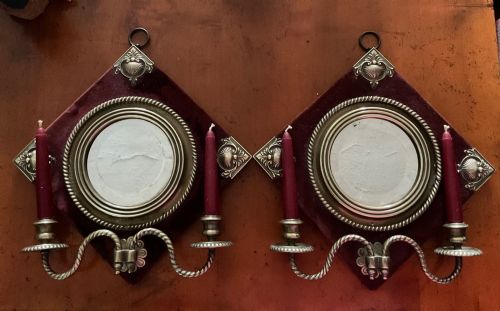
Wooden components relied on carved giltwood and gesso, particularly for girandoles and convex wall mirrors incorporating candle arms. Repoussé work shaped thin sheets of brass into patterned wall sconces, while glass lustres and mirror glass added reflective properties to the designs.
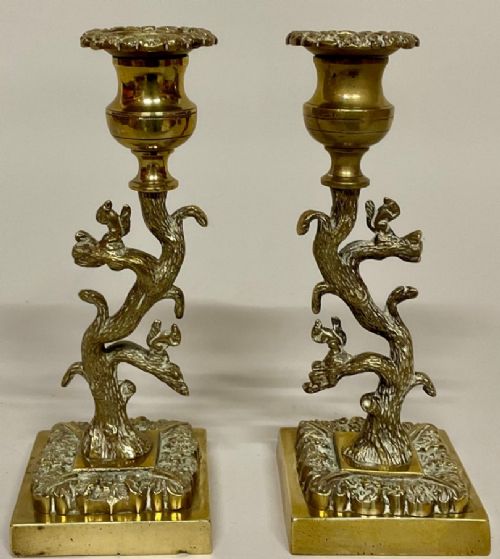
Squirrels occasionally peek out from cast bronze tree branches on Regency candlesticks.
What varies in quality
Quality in these pieces rests upon the crispness of the metal casting and the depth of the chasing on bronze and ormolu surfaces. Finer examples display meticulous hand-finishing on sculptural details like ram's head masks, cherubs, and foliage.
The integration of materials also dictates standard, where fitted marble bases, hand-painted porcelain panels, and intact mercury mirror glass elevate the piece beyond simpler cast brass or repoussé alternatives.
Bruce Talbert·Villeroy and Boch
The 19th Century Candle Sconce Glossary
- Girandole
- A branched candleholder that incorporates a mirror, designed to hang on a wall and multiply the reflected light in a room.
- Ormolu
- Gilded bronze, typically produced using a mercury amalgamation process during the eighteenth and nineteenth centuries to achieve a rich golden surface.
- Applique
- A wall-mounted light fixture or sconce, frequently associated with French interior design of the nineteenth century.
- Repoussé
- A metalworking technique where the metal is hammered from the reverse side to form a raised design in relief on the front.
- Campana
- A bell-shaped socket or drip pan commonly found on the top of candlesticks and candle sconces of the Regency and later periods.
19th Century Candle Sconce: Frequently Asked Questions
What is a girandole mirror?
A girandole is a wall mirror fitted with one or more candle branches attached to the frame. The reflective glass served to amplify the light of the candles.
These pieces were typically hung between windows or above mantelpieces in nineteenth-century interiors to brighten the space.
Were these sconces electrified later?
Many nineteenth-century wall lights and candelabra underwent conversion for electricity during the twentieth century. Collectors look closely at the sockets and wiring paths to determine if the candle cups remain in their original configuration.
Unconverted pieces retain their original drip pans and hollow stems designed exclusively for wax or tallow candles.
How do I identify Regency style?
Regency pieces draw heavily on classical antiquity, featuring motifs like bronze patination, marble bases, and architectural lines. They often date from the early nineteenth century and display restrained ornamentation compared to later Victorian excesses.
Look for materials like giltwood convex frames, patinated bronze figures, and campana-shaped sconces characteristic of the period.