
19th Century Bureau Desk
When you search for a 19th century bureau desk, you uncover elegant writing furniture designed for correspondence and storage.
19th Century Bureau Desk
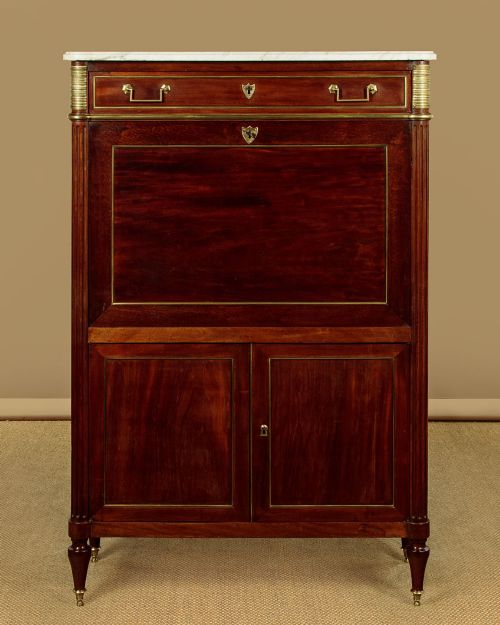
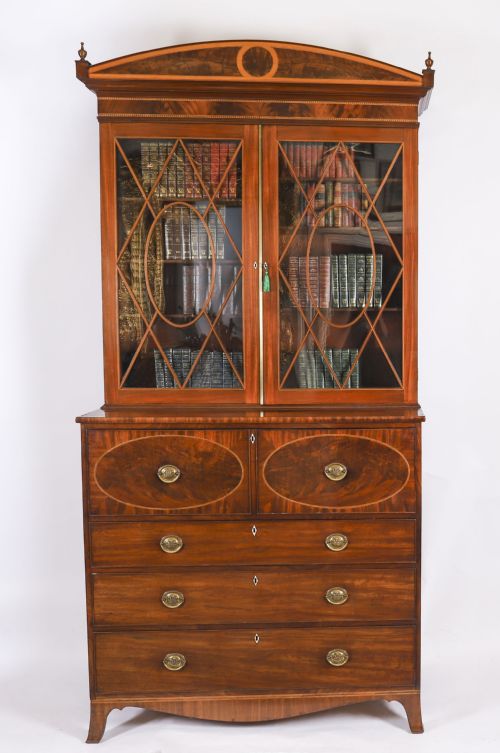
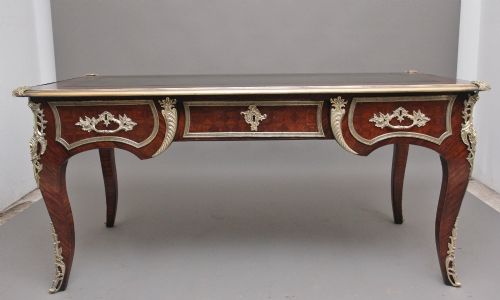
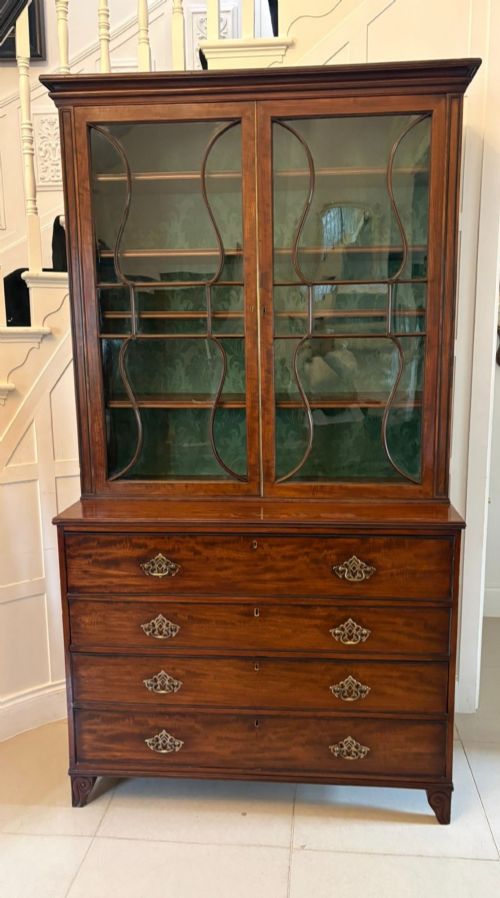
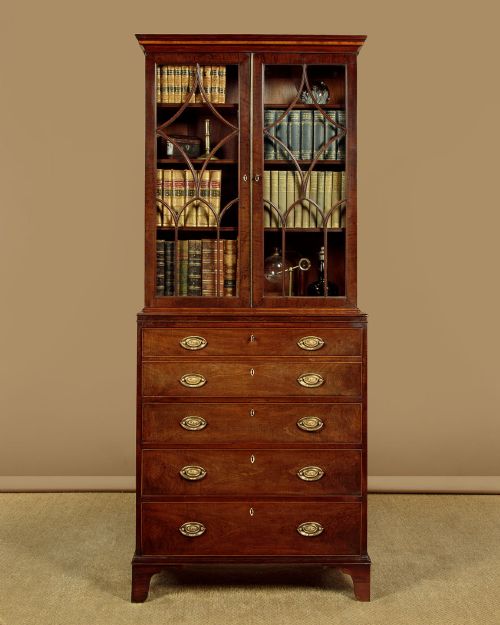
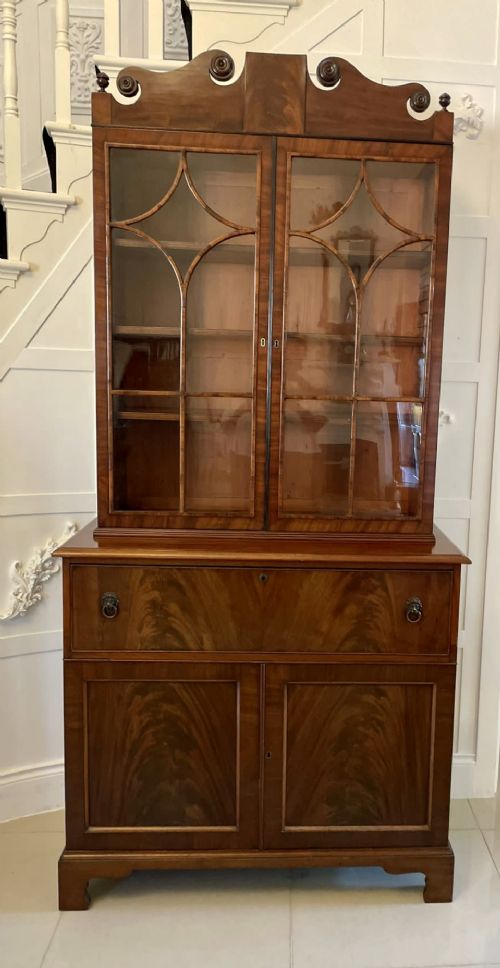
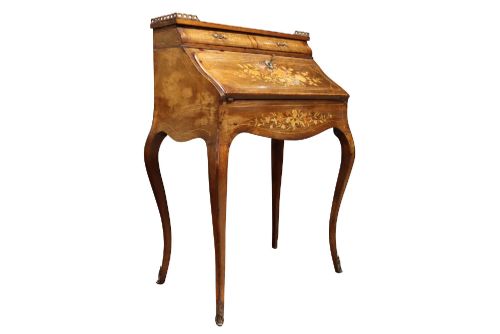
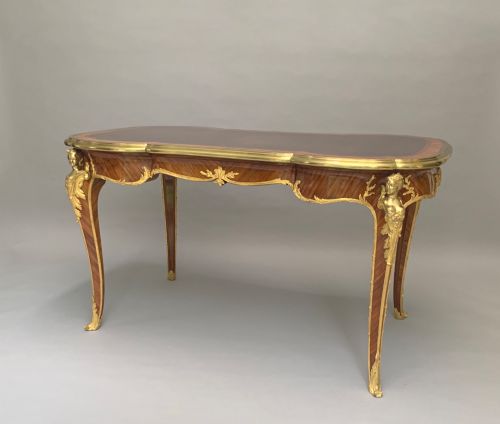
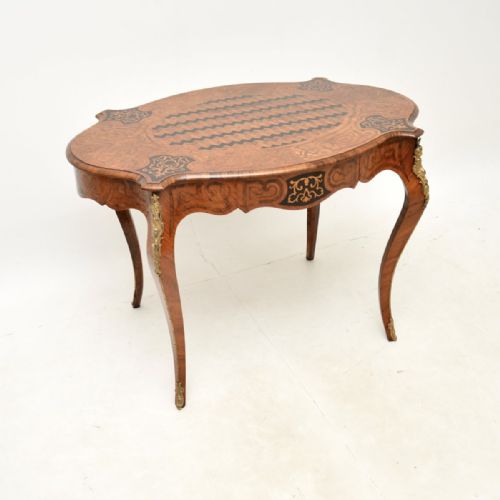
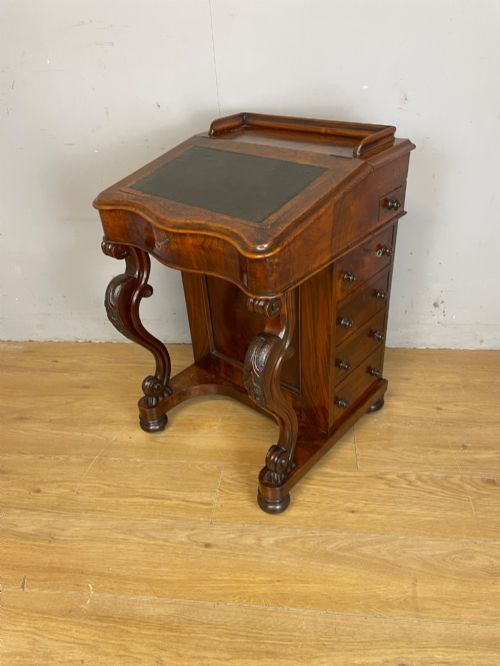
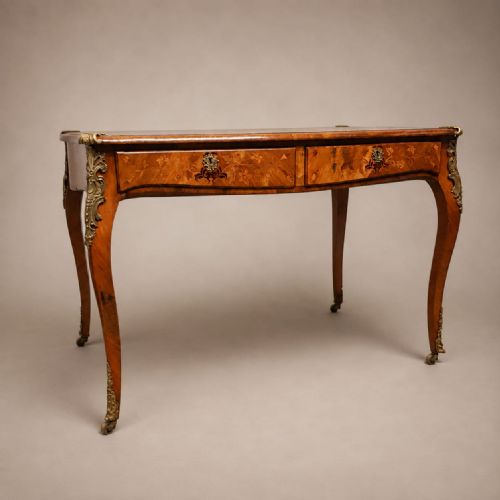
A 19th century bureau desk encompasses diverse writing furniture, from English mahogany bookcases with fitted drop-front interiors to French kingwood and rosewood bureau plat tables.
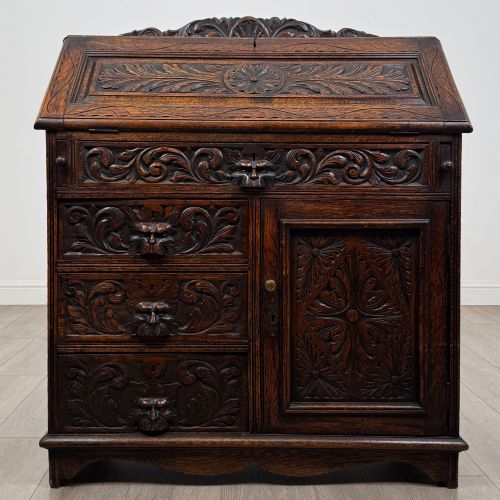
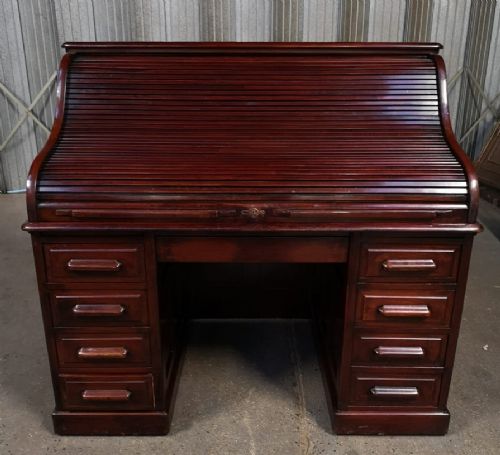
Buyers frequently encounter Victorian oak and mahogany variations alongside refined continental styles featuring marquetry and cylinder lids.
The selection ranges from upright secretaire bookcases to compact bureau de dame writing desks designed for domestic correspondence.
Materials and Technique
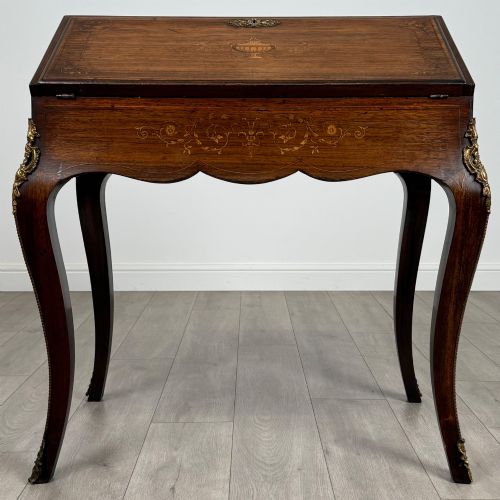
Cabinetmakers utilised dense timbers like mahogany, walnut, rosewood and kingwood, often applying flame veneer and intricate parquetry or marquetry patterns.
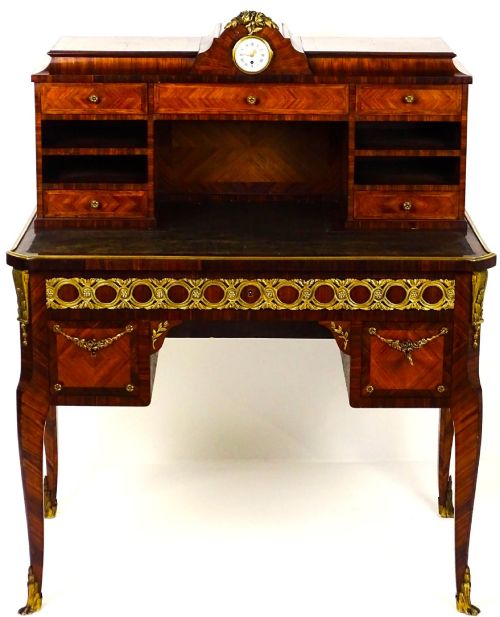
Many continental and revival pieces incorporate cast ormolu mounts, brass inlays and original leather writing surfaces.
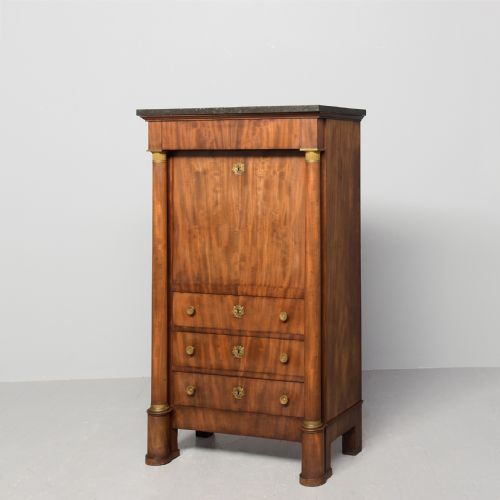
Structural complexity varies from simple fall-front mechanisms to sophisticated cylinder desks and multi-drawer secretaire bookcases.
Green Man carvings peer from Victorian oak desks, keeping a watchful wooden eye over incoming correspondence.
Distinctions in Execution
Superior examples demonstrate precision in timber selection, particularly matched flame mahogany or elaborate floral marquetry.
The refinement of internal compartments, the crispness of bronze or ormolu mounts, and the retention of original brass hardware and leather inserts dictate the standing of a piece.
Francois Linke·Paul Sormani·Maison Krieger·George Oakley·Gillows
The 19th Century Bureau Desk Glossary
- Secretaire
- A piece of furniture containing a concealed writing drawer or fold-down writing flap. This mechanism often disguises itself as a chest of drawers or bookcase base.
- Bureau Plat
- A freestanding writing table fitted with drawers and finished on all sides. These tables typically lack superstructure and originate frequently from French workshops.
- Ormolu
- Gilded bronze mounts used extensively for decorative trim on furniture. These metal accents define French revival writing desks from the period.
- Marquetry
- Decorative veneer applied in pictorial patterns using various coloured woods. Craftsmen cut precise geometric or floral motifs to adorn tabletops and fall fronts.
- Bonheur-du-Jour
- A light ladies writing desk featuring a small set of drawers or a cabinet on the upper surface. These refined pieces became popular during the nineteenth century.
19th Century Bureau Desk: Frequently Asked Questions
What is a bureau plat?
A bureau plat is a flat-topped writing table with drawers, finished on all sides to stand anywhere in a room.
Originating largely in France, these desks served as formal writing surfaces rather than private storage cabinets.
How do cylinder desks work?
Cylinder desks utilise a quarter-circle rotating wooden shutter that slides back to reveal the writing surface and internal pigeonholes.
When closed, the mechanism conceals correspondence and writing implements while protecting them from dust.
Where were secretaire bookcases used?
Secretaire bookcases combined a working writing desk with upper bookshelf storage in libraries and parlours.
The drop-front drawer allowed users to write letters without clearing the main tabletop surface.
How do I identify French revival styles?
French revival pieces incorporate curved serpentine lines, extensive marquetry, and gilt bronze mounts inspired by earlier royal courts.
Cabinetmakers utilised exotic woods like kingwood and rosewood to replicate seventeenth and eighteenth century aesthetics.