


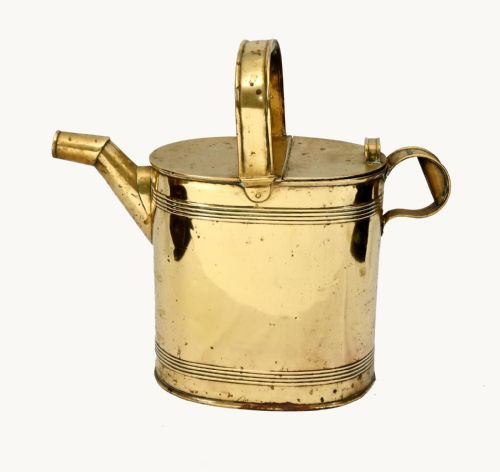

19th Century Brass Vessel
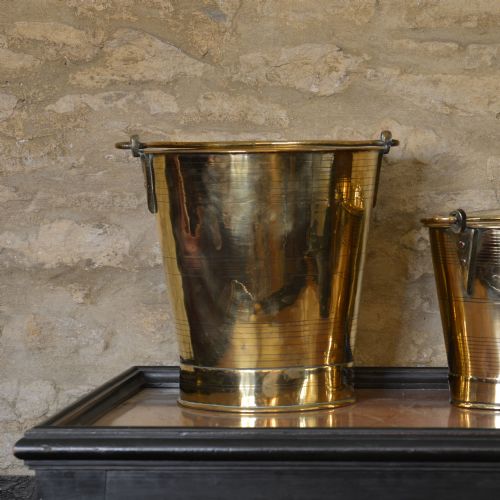
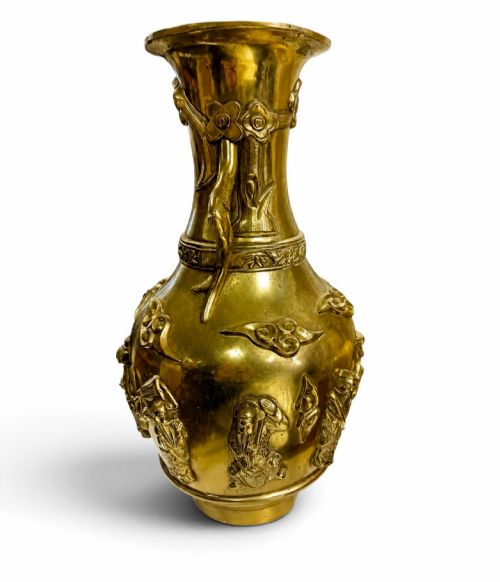
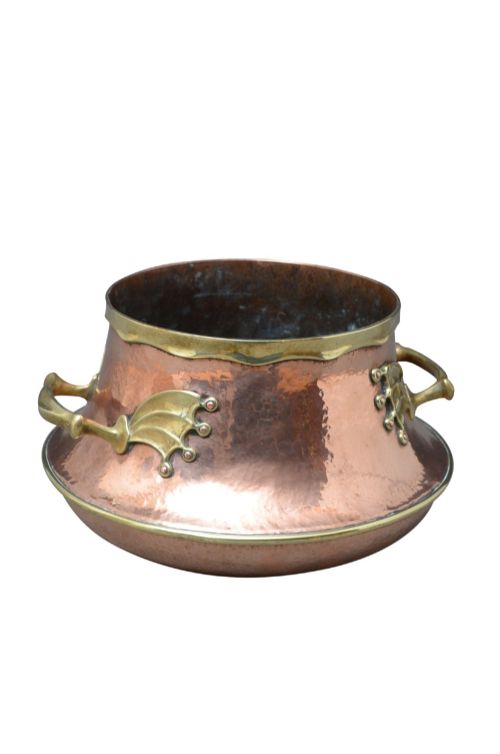
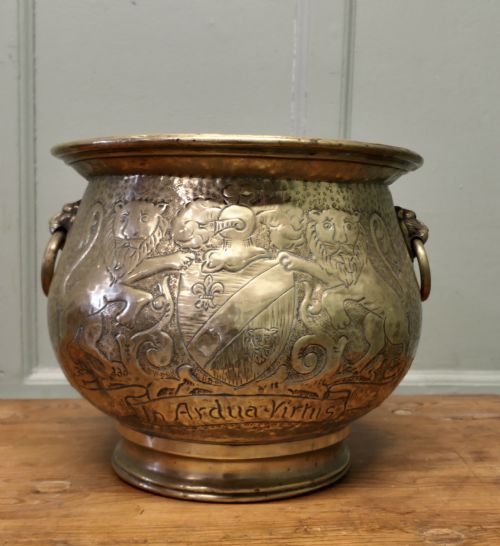
These pieces of 19th century brass vessel range from utilitarian watering cans to decorative Japanese cloisonne enamel bowls, offering solid metalwork for daily use and display.
19th Century Brass Vessel
A 19th century brass vessel encompasses a wide variety of functional and ornamental containers, including jardinieres, watering cans, vases, kettles, and mortars.
The selections span the Victorian era, the Raj period in India, Qing dynasty China, and the Meiji period in Japan, reflecting diverse global manufacturing traditions.
Domestic English items sit alongside imported copper-alloy baluster vases, campaign buckets, and Dutch coopered hardwood butter barrels with brass mounts.
Materials and construction methods
Makers utilised brass, copper, and bronze, frequently combining metals or incorporating wood, mahogany, glass, and enamel to build these containers.
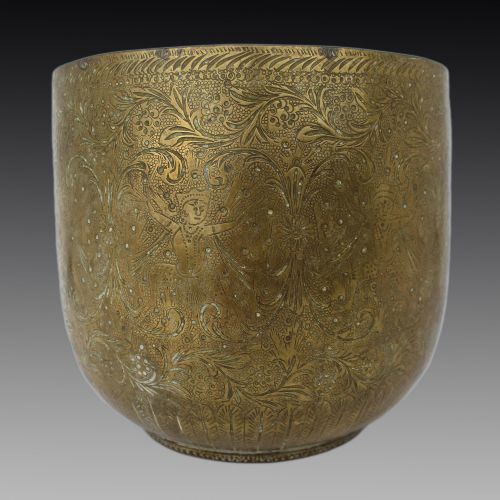
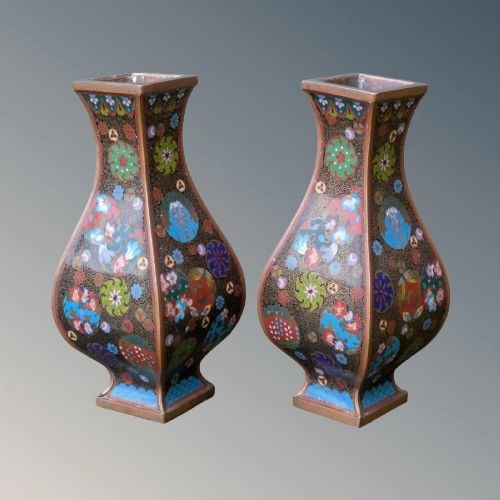
Techniques range from hand-engraving and deep chasing on Indian Raj period items to high-relief casting and cloisonne enamel work on Asian vessels.
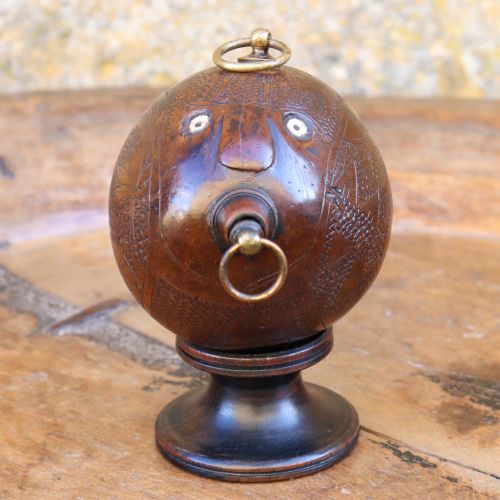
A naive carved coconut bug bear flask shares space with heavy garden watering cans and fine Japanese enamel bowls.
Distinctions in standard and execution
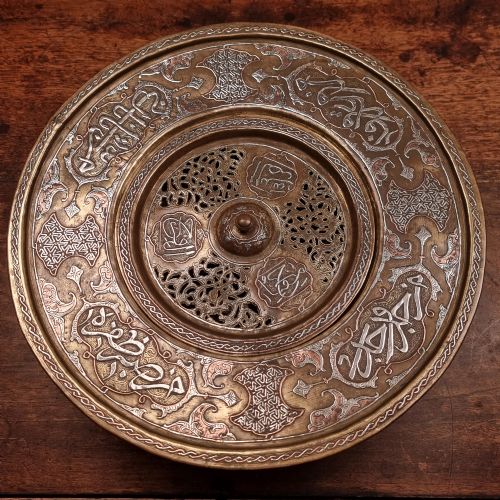
The degree of hand-finishing determines the character of each piece, evident in deeply carved botanical motifs or precise silver inlay work on Islamic wash bowls.
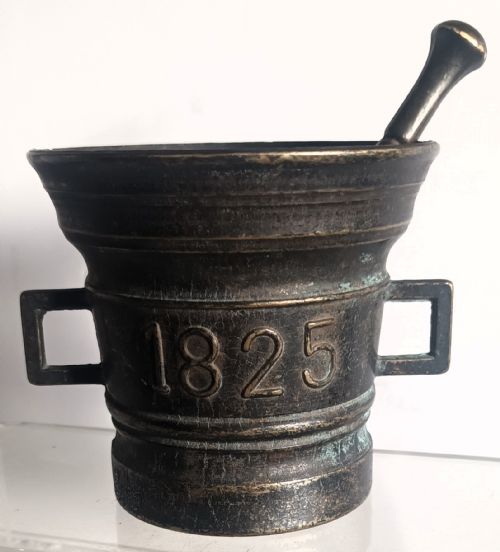
Structural integrity relies on the quality of the original joining, whether through the tightness of copper staves on water barrels or the crisp casting of bronze mortar and pestle sets.
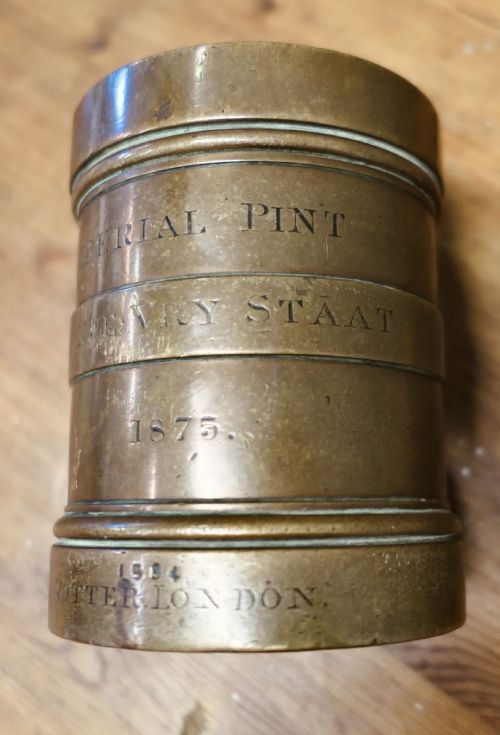
Potter of London
The 19th Century Brass Vessel Glossary
- Jardiniere
- An ornamental pot or stand for holding plants or flowers. These items often feature heavy brass or copper construction and decorative relief work.
- Cloisonne
- A technique for decorating metalwork objects with coloured material held in place by thin metal strips. It appears frequently on Japanese and Chinese bowls.
- Cachepot
- An ornamental container used to conceal a flower pot. They are commonly found in brass and ceramic across the Victorian period.
- Baluster
- A small moulded shaft or pillar, which gives its name to vases with a swelling lower portion. These are seen in high-relief copper-alloy forms.
19th Century Brass Vessel: Frequently Asked Questions
How do I clean a brass vessel?
Maintenance depends on the existing finish and whether the item retains an aged patina. Gentle dusting or washing with mild soap is generally safer than aggressive polishing.
Harsh chemical cleaners strip away historical surfaces that collectors value. Test any treatment on a small, hidden area first.
Were these items used outdoors?
Many brass and copper pieces, such as watering cans and jardinieres, were made specifically for gardening and domestic plant display.
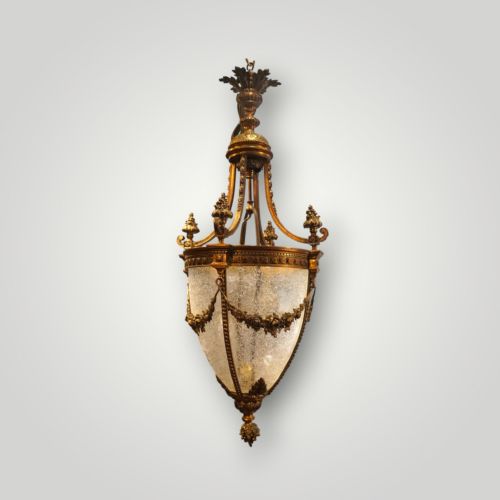
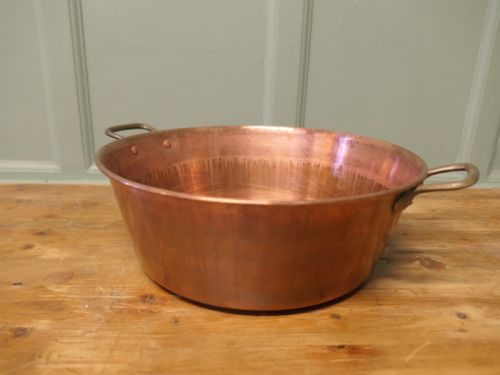
Other items like apothecary mortars, kitchen jam pans, and hall lanterns served strictly indoor domestic or commercial functions.
How are different regional styles told apart?
English and Dutch examples tend toward utilitarian copper buckets, coopered barrels, and plain domestic kettles. Asian pieces often display cloisonne enamel or intricate religious iconography.
Indian Raj metalwork typically exhibits dense hand-engraved and chased floral or geometric patterns across vases and ceremonial bowls.
What is the difference between brass and bronze?
Brass is an alloy made primarily of copper and zinc, yielding a bright golden tone utilised for watering cans, planters, and desk items. Bronze consists mainly of copper and tin, producing a darker, heavier metal suited to mortars, pestles, and cast figures.