


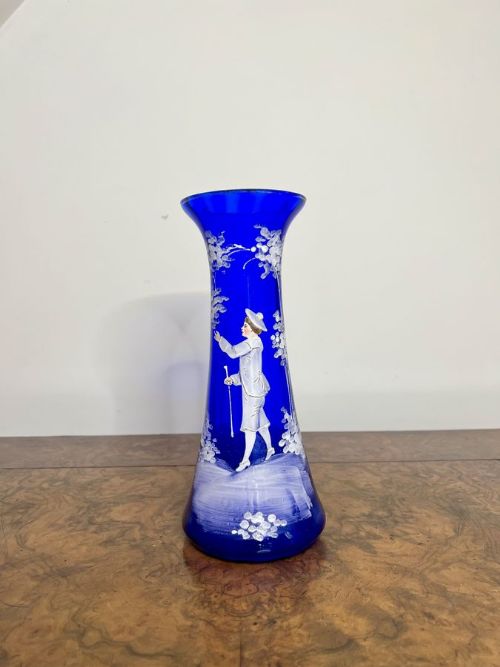


19th Century Bohemian Glassware
These 19th century bohemian glassware pieces bring vibrant colour and heavy gilding to a room, offering both decorative presence and historic craft.
19th Century Bohemian Glassware
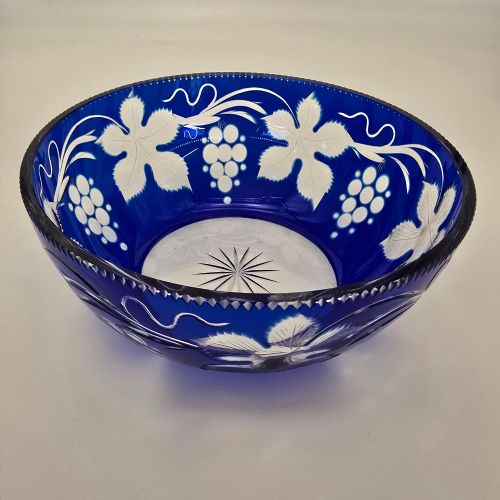
When you search for 19th century bohemian glassware, you encounter items created across the Victorian era, the Biedermeier period, and into the late nineteenth century. The selection ranges from robust decanters and wine glasses to decorative vases, tazzas, and table bowls.
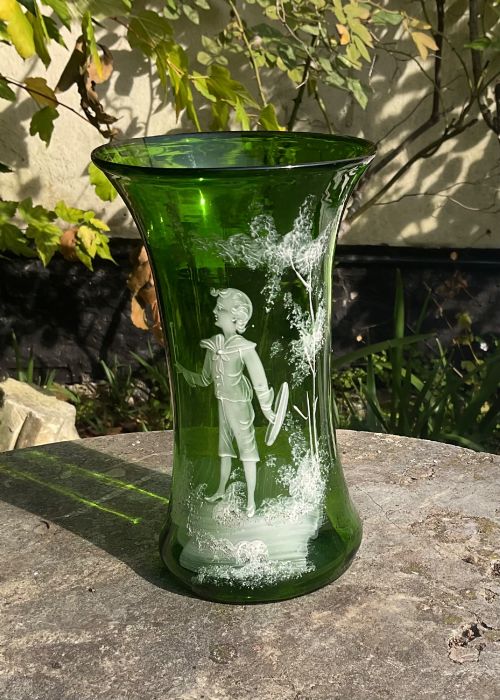
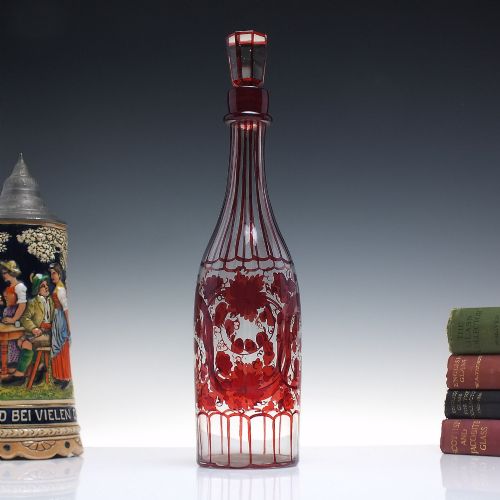
You are most likely to meet green or ruby glass vessels, often decorated with enamel painting, gilt details, or overlaid portraits. Forms span individual drinking goblets, garniture sets, and serving jugs originating from Bohemian workshops.
The pieces reflect changing design movements, moving from geometric Biedermeier forms towards elaborate Victorian historicism and iridescent Art Nouveau treatments.
How they were made
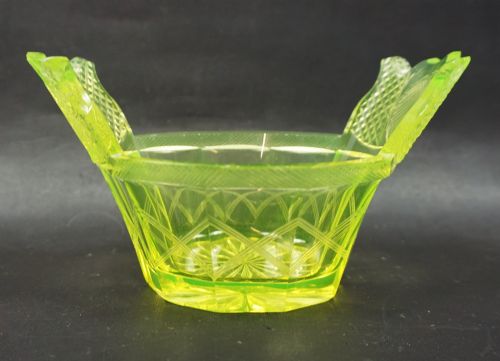
Makers utilised blown glass techniques, shaping molten material into vessels like roemers, decanters, and tall vases. Coloured glass formulas produced distinctive ruby, amber, green, and uranium hues directly in the molten state.
Decoration relied heavily on surface application, including vitreous enamel painting, applied gold leaf, and hand-gilding. Artisans also employed cutting techniques to reveal contrasting underlying layers of glass.
19th Century Bohemian Glassware Retail Price Guide 2026
Typical asking prices for 19th century bohemian glassware among the pieces listed under this phrase on Sellingantiques today, from the lower quarter to the upper quarter. They describe what is for sale here now, not the wider market.
One listed piece comes complete with a warning that natural light is all you get, because there is no UV in this picture.
What varies in quality
The standard of execution in hand-painting and gilding determines the distinction between ordinary production and superior workshop output. Finely detailed enamel work and crisp glass cutting elevate a piece well above simpler moulded wares.
Design ambition also separates the output, with complex overlay techniques, multi-layered coloured glass, and named maker involvement representing the upper tier of the market.
Kralik glassworks·Lobmeyer·Moser·Harrach
The 19th Century Bohemian Glassware Glossary
- Tazza
- A shallow ornamental cup or vase mounted on a stem and foot. These pieces often feature gilded borders and coloured bowls.
- Roemer
- A traditional Germanic or Bohemian large wine glass featuring a ribbed stem and a wide bowl. They frequently appear in pale green glass.
- Uranium glass
- Glass coloured with uranium oxide that glows brightly under ultraviolet light. It appears in early nineteenth-century Bohemian production.
- Garniture set
- A matching group of three or more vases or decorative objects designed to sit together on a mantelpiece. Sets usually comprise a central vessel and two matching side pieces.
19th Century Bohemian Glassware: Frequently Asked Questions
How do I identify bohemian glass?
Look for distinctive saturated colours such as ruby red, forest green, and amber, frequently paired with heavy hand-gilding and enamel decoration. Forms often follow traditional Central European shapes like roemers, tall vases, and armorial goblets.
Examination of the pontil mark on the base helps confirm hand-blown production typical of the region during the nineteenth century.
What is Mary Gregory glass?
Mary Gregory glass refers to pieces decorated with white enamel silhouettes depicting Victorian children in pastoral settings. This distinctive style gained popularity during the late nineteenth century on various coloured glass bodies.
While named after an American artist, the technique was widely produced in Bohemian glasshouses for export.
How do I display these pieces?
These colourful glass items benefit from placement near natural light sources to showcase their transparent hues and gilded surfaces. Garniture sets look correct arranged on mantelpieces or sideboard tops.
Care should be taken to keep them away from direct heat and abrasive cleaning materials to preserve fragile enamel details.
What distinguishes Biedermeier glass?
Biedermeier pieces date to the earlier part of the nineteenth century and favour cleaner, more restrained geometric lines than later Victorian items. They frequently utilise green glass and restrained cut decoration rather than heavy enamel painting.
These domestic items reflect a bourgeois taste for functional elegance in daily life.