





19th Century Bird Sculptures
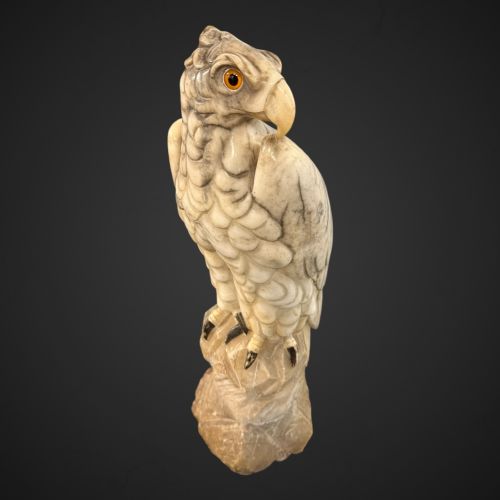
These 19th century bird sculptures capture feathered subjects in bronze, porcelain, marble, and wood, offering collectors both naturalistic precision and decorative character.
19th Century Bird Sculptures
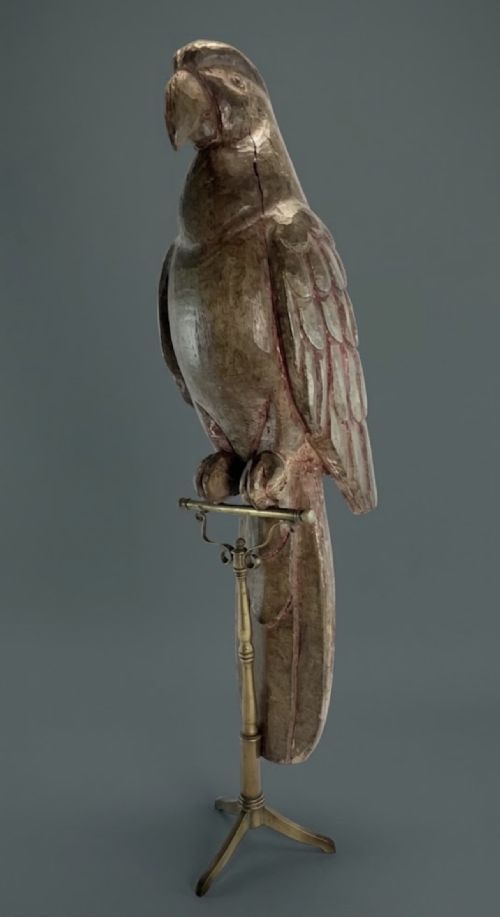
Collectors seeking 19th century bird sculptures encounter a diverse range of forms, from porcelain parrots and cockatoos to bronze eagles, ostriches, and wooden decoys. These pieces reflect the period fascination with natural history, domestic display, and rural craft.
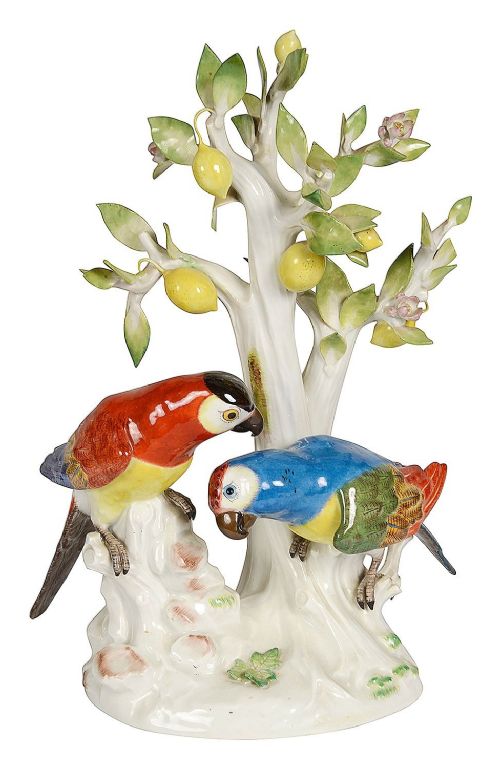
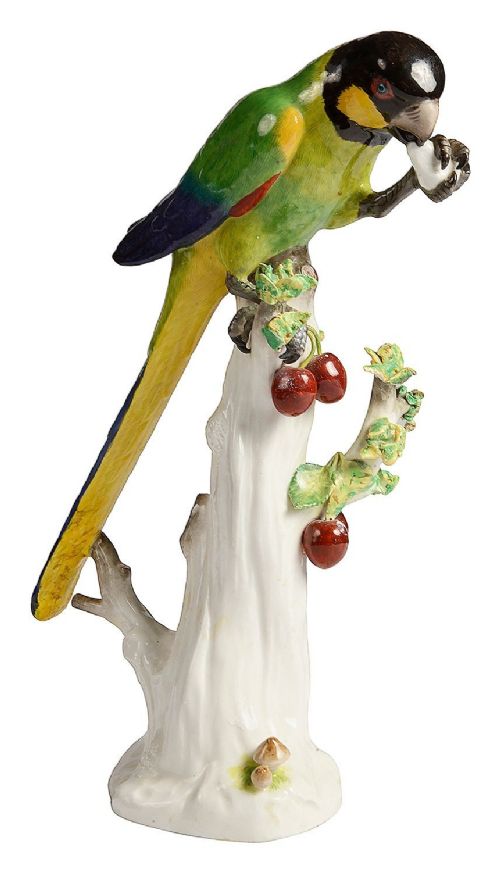
The objects span European and Asian origins, including Meissen porcelain groups, French Animalier bronzes, and English working decoys. Such variety ensures that buyers find both polished salon bronzes and simpler folk art pieces on this page.
How they were made
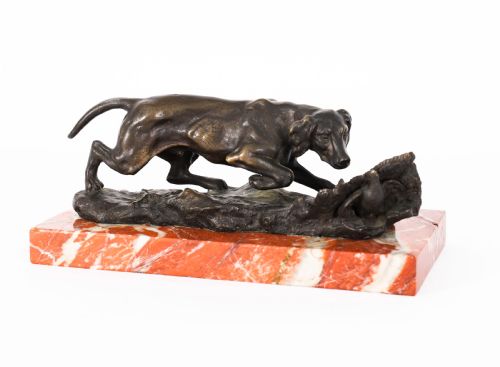
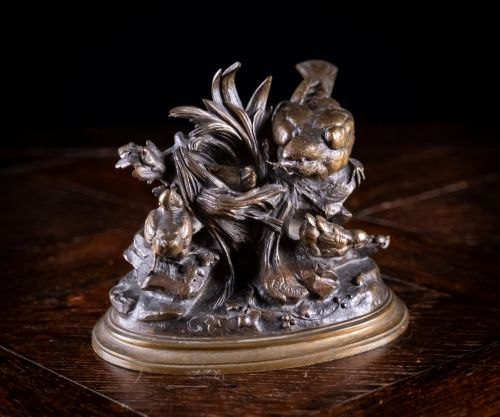
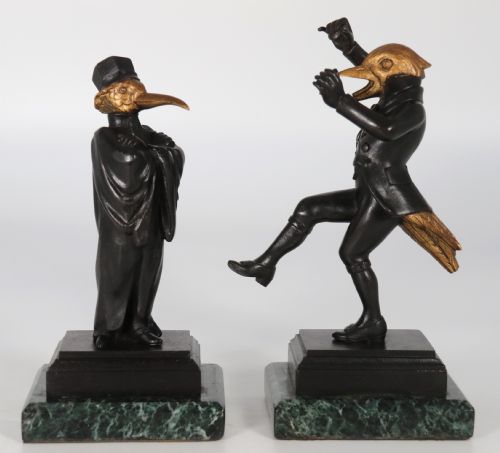
Metal sculptures utilise traditional casting methods such as lost-wax bronze production, often complemented by cold painting, ormolu accents, or gilt brass finishes. These techniques allow for intricate feather detailing and lifelike postures.
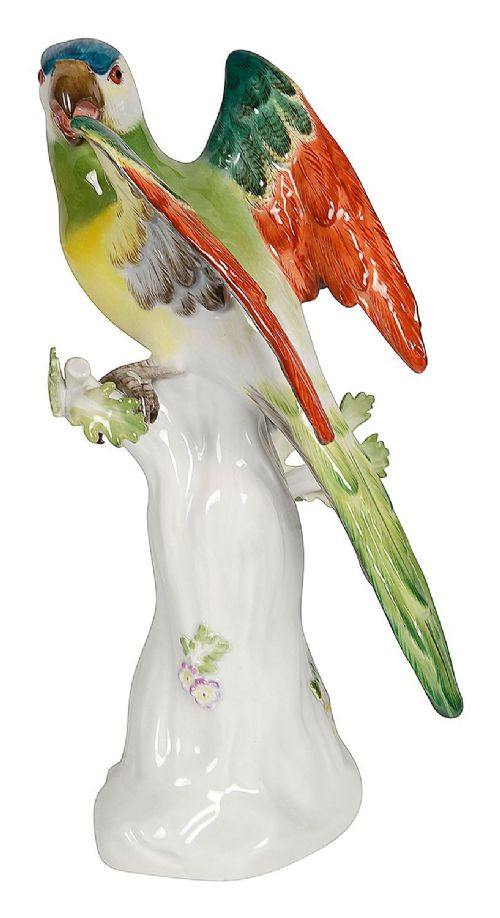
Ceramic figures combine moulded porcelain bodies with hand-painted enamel decoration, frequently depicting exotic birds perched on tree trunks or foliage. Wooden and terracotta examples rely on manual carving and shaping to capture the rustic forms of ducks, geese, and cockerels.
19th Century Bird Sculptures Retail Price Guide 2026
Typical asking prices for 19th century bird sculptures among the pieces listed under this phrase on Sellingantiques today, from the lower quarter to the upper quarter. They describe what is for sale here now, not the wider market.
The selection includes works from English, French, German, Belgian, Chinese, and Japanese origins.
What varies in quality
The standard of a casting or ceramic model depends on the crispness of anatomical detail, particularly in the rendering of plumage, beaks, and talons. Superior examples retain their original surface patination, enamel brightness, or polychrome paint without heavy wear.
The reputation of the foundry, modeller, or maker heavily dictates the standing of a piece within the field. Signed works from established French bronze founders or major porcelain manufactories demonstrate greater sculptural refinement than unsigned utilitarian items.
Carl Kauba·Meissen·Antoine Louis Barye·Barbedienne·Maurice Bouval·Antoine Bofill·Auguste Moreau·Christophe Fratin·Ferdinand Pautrot
The 19th Century Bird Sculptures Glossary
- Animalier
- A nineteenth-century artistic movement focused on the realistic depiction of animals. Sculptors in this style studied anatomy extensively at menageries.
- Cold painted
- A technique where bronze or metal figures are painted with non-heat-set paints. This finish requires careful preservation to prevent flaking.
- Ormolu
- Gilt bronze ornamentation applied to furniture or sculptural mounts. The process involves fusing a gold-mercury amalgam onto a base metal.
- Decoy
- A carved or moulded bird used by hunters to attract wildfowl. These working objects often display robust folk art characteristics and weathered surfaces.
- Famille Rose
- A Chinese ceramic palette characterised by opaque pink enamel colours. Introduced in the eighteenth century, it remained popular for export wares.
19th Century Bird Sculptures: Frequently Asked Questions
How do I identify a cast bronze bird?
Examine the weight, surface texture, and presence of foundry marks or signatures on the base. Bronze pieces often show distinct chasing marks where the metal was refined after casting.
Inspect the underside for threaded posts or attachment points, which help determine how the sculpture was mounted to marble or wooden plinths.
Were wooden decoys used for hunting?
Many wooden and metal decoys served practical functions on lakes and marshes to lure wildfowl within range. Their makers prioritised durable construction and credible silhouettes over fine decorative detail.
Over time, these working items transitioned from utilitarian tools into sought-after pieces of folk art displayed in domestic interiors.
How should I clean antique porcelain birds?
Dust porcelain figures gently with a soft, dry brush to prevent dirt accumulation in crevices and feathered details. Avoid harsh chemical cleaners that might damage hand-painted enamel or gilt highlights.
Keep delicate ceramic pieces away from direct sunlight and areas prone to sudden temperature changes to protect the glaze and body.
What defines the Animalier style?
Animalier works focus squarely on animals depicted in dynamic, natural poses rather than subordinate roles in human narratives. Sculptors captured predatory moments, resting postures, and characteristic movements with anatomical accuracy.
This nineteenth-century approach bridged scientific observation with decorative bronze casting across European studios.