



Italian Terracotta Statues
Italian terracotta statues bring expressive warmth and classical character to any room, offering centuries of sculptural tradition in fired clay.
Italian Terracotta Statues
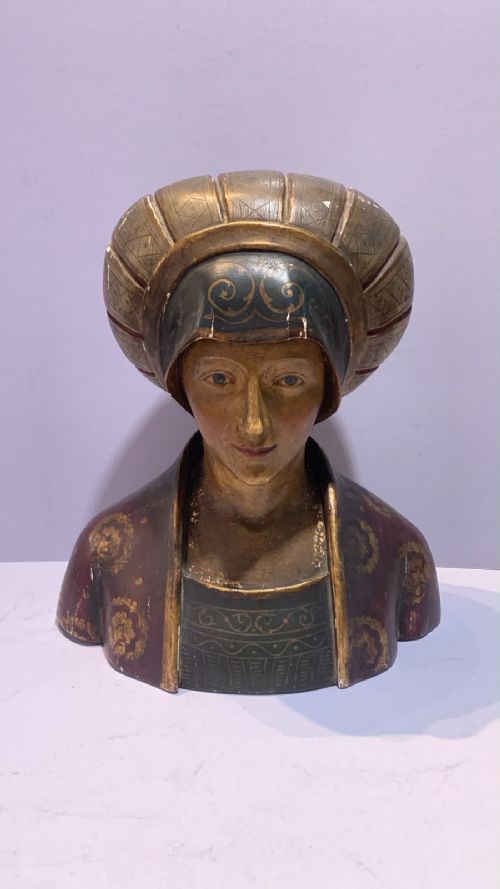
When you search for Italian terracotta statues, you encounter moulded and hand-sculpted figures spanning several centuries of European craftsmanship. The selection ranges from classical portrait busts and mythological subjects to garden ornaments and decorative animals.
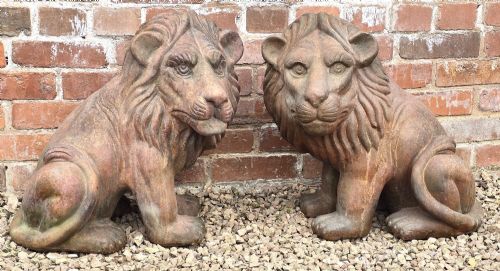
Nineteenth-century revival pieces dominate the offerings, often drawing inspiration from Renaissance models, classical antiquities, and Grand Tour subjects. Busts of noble figures, mythological deities, and architectural ornaments appear frequently alongside whimsical animal pairs.
Earlier examples, including eighteenth-century figures, demonstrate the enduring appeal of unglazed or painted earthenware in domestic and garden settings. Sculptors utilised the direct modelling properties of clay to capture intricate facial expressions and flowing drapery before firing.
How they were made
The primary material is fired earthenware clay, sometimes reinforced with internal supports or finished with surface treatments. Artisans shaped the clay by hand or pressed it into moulds before firing the pieces in kilns to achieve durability.
Many surfaces feature applied pigment, polychrome decoration, gesso, or gold leaf to enhance detail and simulate older patinas. Sculptors after the antique often chased and refined the damp clay to emulate carved marble or bronze before the final firing.
Italian Terracotta Statues Retail Price Guide 2026
Typical asking prices for italian terracotta statues among the pieces listed under this phrase on Sellingantiques today, from the lower quarter to the upper quarter. They describe what is for sale here now, not the wider market.
Materials recorded on this page include terracotta, earthenware, gesso, gold leaf, and polychrome pigment.
What varies in quality
The sophistication of the surface finish further distinguishes the work, particularly where polychrome pigments, gesso, or gilding are applied. Finer pieces maintain structural integrity in the fired clay without excessive repair or unsympathetic restoration.
Guido Cacciapuoti·Pietro Calvi·Antonio Rossellino
The Italian Terracotta Statues Glossary
- Terracotta
- A porous, fired clay earthenware ranging in colour from pale buff to deep reddish-brown. It serves as the primary medium for both modelled and moulded sculptural works.
- Polychrome
- The practice of decorating sculptural surfaces with multiple colours of paint or pigment. This technique brings a lifelike quality to terracotta busts and figures.
- Gesso
- A plaster-like mixture applied to the fired clay surface to provide a smooth base for gilding or painting. It allows for refined decorative details on Victorian and revival pieces.
- Grand Tour
- A cultural journey undertaken by European elites in the eighteenth and nineteenth centuries, acquiring classical souvenirs including terracotta sculptures. These pieces often replicated famous antiquities.
- Neoclassical
- An artistic movement drawing inspiration from the classical art and culture of ancient Greece and Rome. This style heavily influences nineteenth-century Italian portrait busts and figures.
Italian Terracotta Statues: Frequently Asked Questions
How do I clean terracotta statues?
Dust the surface gently with a soft, dry brush to prevent dirt accumulation in crevices and modelled details. Avoid using water or liquid cleaners, as porous earthenware absorbs moisture and can damage applied pigments or gesso.
Keep the sculptures indoors away from areas of high humidity or dampness. Gentle maintenance preserves the natural porous surface and any historic polychrome finishes.
Are these statues suitable for gardens?
Many nineteenth-century garden sculptures and animal figures were designed to withstand outdoor placement on terraces or lawns. However, frost can damage porous earthenware if statues remain outside during freezing winter temperatures.
Move delicate indoor busts and figures away from frost-prone areas and direct exposure to heavy rain. Protecting glazed or painted surfaces ensures the longevity of the terracotta material.
How can I date an Italian terracotta statue?
Examine the underside, base, and interior surfaces for tool marks, firing cracks, and signs of age in the clay body. Stylistic indicators such as Renaissance Revival or Art Deco forms also help narrow the period of production.
Compare the finishing techniques, such as the application of gesso or pigment, with documented examples from known makers and periods. Subtle clues in the modelling style often point to nineteenth-century workshop practices.
What is the difference between moulded and sculpted pieces?
Moulded statues were pressed into multi-part moulds, allowing workshops to produce multiple copies of popular subjects like lions or bookends. Sculpted pieces involved direct hand-modelling by the artist, resulting in unique textures and individual character.
Hand-sculpted works often display subtle tool marks and varied surface details that set them apart from standard production pieces. Both methods demonstrate high levels of nineteenth-century ceramic skill.