



Terracotta Animal Figures
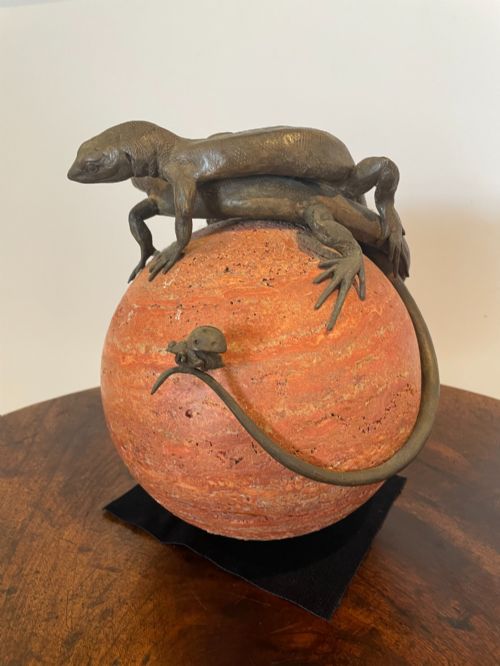
Terracotta animal figures bring warmth and character into a room, capturing dogs, cats, lions and mythical beasts in baked earth.
Terracotta Animal Figures
Terracotta animal figures encompass sculptures, bookends and decorative figurines modelled from clay across various centuries and origins. When exploring terracotta animal figures on this page, the selection ranges from European pottery to ancient dynastic guardian figures.
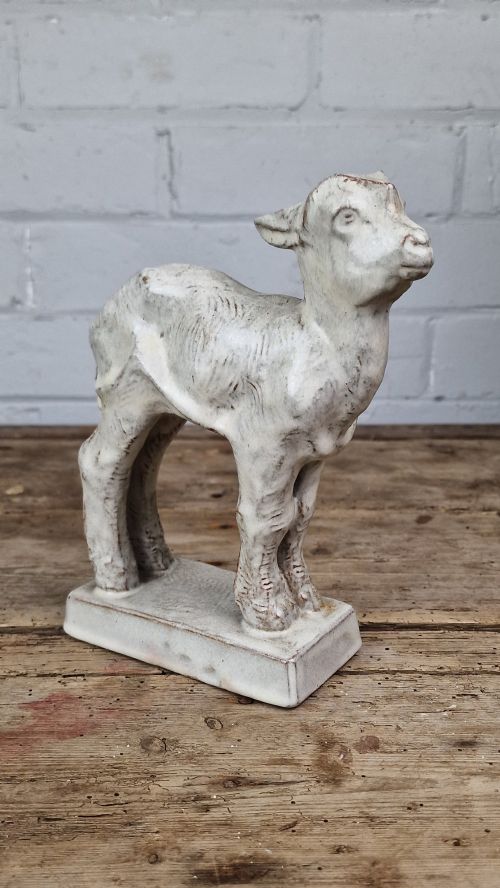
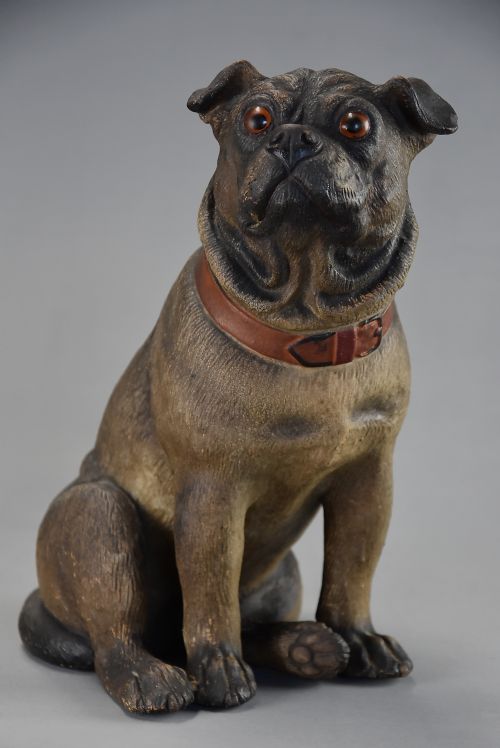
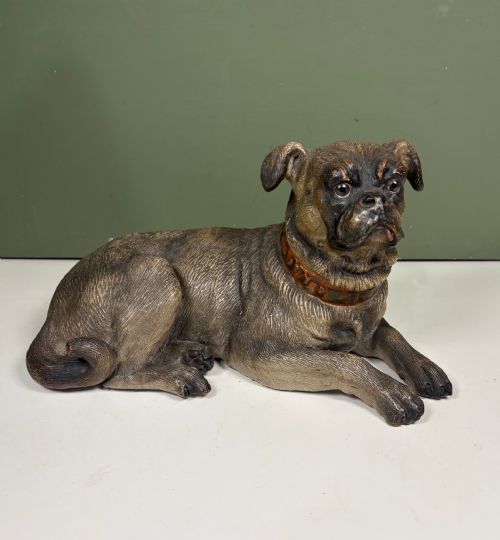
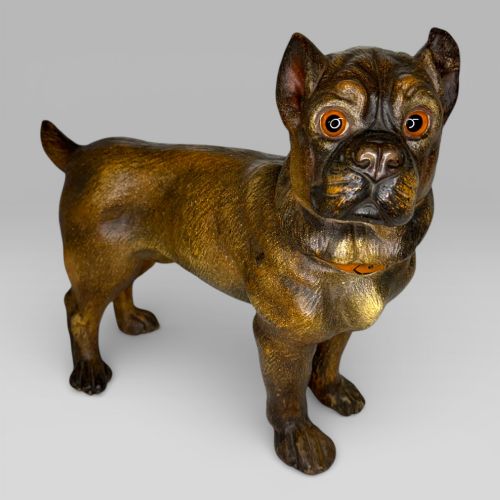
Domestic pets and farm animals dominate the offerings, with nineteenth-century pugs, cockerels, cats and goats appearing alongside larger life-size puppy sculptures. European workshops, notably Austrian and French foundries and potteries, account for many of the sculptural forms.
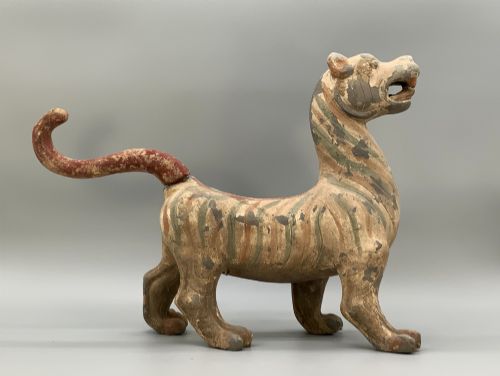
Beyond European domestic subjects, the category extends to Chinese pottery tigers and mythical beasts, plus animalier sculptures from the art deco period. Buyers encounter both single decorative figures and paired subjects such as recumbent lions or hunting dogs.
How they were made
The primary material is fired clay, shaped either by hand modelling or press moulding into detailed animal forms. Glazes, pigments and cold-painted finishes are frequently applied to the fired earthenware surface to add colour and texture.
Some pieces incorporate mixed elements, pairing terracotta bodies with wooden bases or metal components to support the sculpture. Firing techniques and pigment applications vary from traditional folk art pottery methods to professional studio production.
Terracotta Animal Figures Retail Price Guide 2026
Typical asking prices for terracotta animal figures among the pieces listed under this phrase on Sellingantiques today, from the lower quarter to the upper quarter. They describe what is for sale here now, not the wider market.
Pugs dominate the nineteenth-century ceramic kennel, proving that Victorian households were just as obsessed with squish-faced dogs as we are.
What varies in quality
The preservation of original cold-painted surfaces, pigments and glazes dictates the visual strength of a piece. Finer examples retain their intended coloration and surface detail without heavy restoration obscuring the maker's hand.
Joseph Constant·Guido Cacciapuoti·Bernard Bloch
The Terracotta Animal Figures Glossary
- Terracotta
- A porous, fired clay earthenware used for sculptural and decorative objects. Its reddish-brown colour comes from iron content within the natural earth.
- Animalier
- A nineteenth-century artistic style focusing on the realistic portrayal of animals. Sculptors in this tradition studied anatomy closely to capture creatures in natural movement.
- Cold painted
- A decoration technique where paint is applied to an object after firing rather than being fused in a kiln. This finish requires careful handling to preserve the pigments over time.
- Earthenware
- Pottery fired at lower temperatures that remains porous unless glazed. It serves as the standard ceramic body for traditional terracotta figures and folk art.
Terracotta Animal Figures: Frequently Asked Questions
Where were terracotta animal figures displayed?
These figures served as interior ornaments, mantelpiece decorations or doorstops within nineteenth and twentieth-century homes. Larger life-size pieces stood directly on floors in hallways or reception rooms.
Bookends and smaller groups found practical placement on libraries and bookshelves alongside traditional literature. Their durable ceramic bodies made them suitable for everyday domestic display.
How do I care for a terracotta figure?
Dust the surface gently with a soft, dry brush to prevent dirt accumulation within the porous clay or painted details. Avoid using water or liquid cleaners, particularly on cold-painted or pigmented surfaces.
Keep the figures away from damp environments and direct sunlight to protect the integrity of the earthenware and any applied colour.
Are all terracotta animal figures European?
European makers, particularly from Austria, France and England, produced a significant proportion of the figures available. Nineteenth-century continental foundries specialised in realistic dog and cat models.
However, the category also includes older ceramic traditions from Asia, such as Chinese dynastic guardian figures and pottery tigers. Each region utilised distinct local clays and finishing styles.
What is cold painting on pottery?
Cold painting involves applying oil or water-based pigments to a terracotta object after the initial kiln firing. Because the paint is not refired, it sits entirely upon the surface of the clay.
This method allowed makers to achieve vibrant multi-coloured finishes that standard ceramic glazes could not replicate. Collectors look for surviving traces of these original pigments.