



Grand Tour Terracotta Statues
Grand tour terracotta statues bring the classical past into the room, cast in warm earth and shaped by hands that knew the antique world.
Grand Tour Terracotta Statues
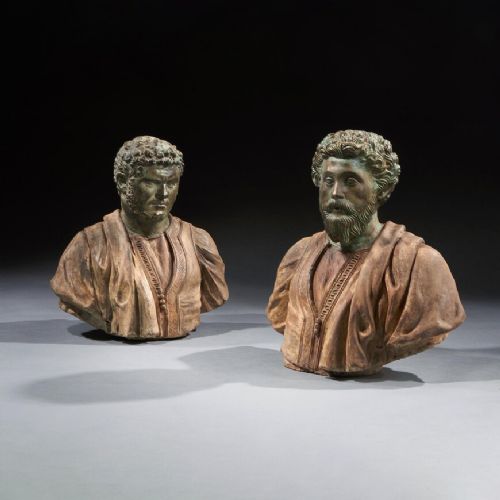
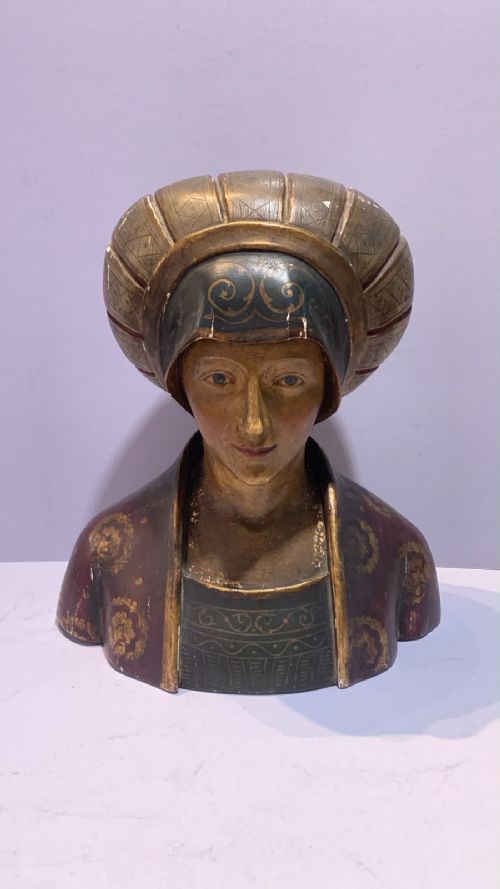
When you search for grand tour terracotta statues, you are looking at figures, busts and sculptures modelled in earthenware and terracotta, often inspired by classical antiquity and the Italian journey. The pieces met here span from the eighteenth century through the nineteenth century and into the early twentieth century, taking forms such as noblewomen, Caesars, and mythological subjects like Mercury and the Venus de Medici.
You will encounter portrait busts of classical figures, pairs of cockerels, and representations of famous antiquities like the Spinario. These works reflect the taste of travellers who toured Italy and brought home reminders of classical sculpture, executed in terracotta, sometimes with polychrome, paint, gesso, or verdigris patina.
How they were made
The makers shaped these pieces primarily from terracotta and earthenware, using moulded or modelled clay fired to a durable finish. Surface treatments such as paint, gesso, and gold leaf were applied to add colour and texture, or to mimic bronze through a verdigris patina.
Many of these works were modelled after antique originals seen in Italian collections, requiring skilled hand-finishing to capture the details of classical drapery, hair, and facial expression after the initial cast or modelling.
Grand Tour Terracotta Statues Retail Price Guide 2026
Typical asking prices for grand tour terracotta statues among the pieces listed under this phrase on Sellingantiques today, from the lower quarter to the upper quarter. They describe what is for sale here now, not the wider market.
The site listings span from the early eighteenth century through the nineteenth century into 1920, using materials including terracotta, earthenware, gesso, and gold leaf.
What varies in quality
Quality in these pieces rests upon the crispness of the modelling and the fidelity of the casting, which determines whether a portrait or figure retains the vitality of the antique source. Softer details and muddy surface textures separate hurried souvenir pieces from those shaped with genuine sculptural skill.
The sophistication of the surface finish also sets examples apart, distinguishing simple painted earthenware from works featuring nuanced polychrome, gesso work, or convincing verdigris patination that mimics aged metal.
The Grand Tour Terracotta Statues Glossary
- Terracotta
- A porous, fired clay earthenware ranging in colour from pale buff to deep reddish-brown. It serves as the primary medium for these sculptural works.
- Polychrome
- The practice of decorating sculptural surfaces in multiple colours. This finish adds lifelike tones to hair, drapery, and flesh.
- Verdigris patina
- A green or bluish coating formed on copper and bronze over time, imitated here on terracotta to give the appearance of aged metal.
- Gesso
- A plaster-like mixture applied to a surface as a base for paint or gold leaf. It helps create a smooth ground for delicate surface decoration.
- After the antique
- A description used when a later sculpture deliberately copies a renowned classical Greek or Roman statue. These works record famous antiquities seen by travellers.
Grand Tour Terracotta Statues: Frequently Asked Questions
What are grand tour terracotta statues?
These pieces are sculptural works in earthenware and terracotta, created as mementos of travel through Italy during the eighteenth and nineteenth centuries. They frequently depict classical figures, Caesars, and mythological subjects modelled after ancient originals.
They capture the aesthetic tastes of collectors who sought to bring the classical sculpture of European museums and archaeological sites back to their homes.
How were grand tour terracottas used?
Travellers and collectors displayed these figures and busts in libraries, studies, and drawing rooms as marks of classical learning and refined travel. They served as decorative focal points that demonstrated an owner's engagement with ancient history and art.
Today, they function similarly in domestic interiors, bringing sculptural form and historical texture to mantelpieces, bookshelves, and tables.
How do I live with terracotta sculpture?
Terracotta benefits from stable indoor environments away from excessive moisture and sudden temperature changes, as the fired clay is porous and sometimes combined with fragile surface finishes like gesso or paint. Placing them out of reach of heavy traffic prevents accidental knocks to protruding details.
Dusting them gently with a soft, dry brush keeps the surface clean without disturbing patination, paint, or delicate modelling.
How do I tell periods apart?
Differentiating periods relies on observing the style of the modelling, the handling of the surface, and the nature of any added pigments or patinas. Eighteenth-century examples often display distinct hand-tooling and simpler earthen surfaces, while nineteenth-century works frequently embrace revival styles and varied metallic or polychrome finishes.
Examining the underside, the wear on the clay, and the specific interpretation of classical sources also helps place a piece within its era.