


19th Century Bird Engraving
These 19th century bird engraving plates bring scientific observation and natural history into domestic interiors through detailed paper prints.
19th Century Bird Engraving
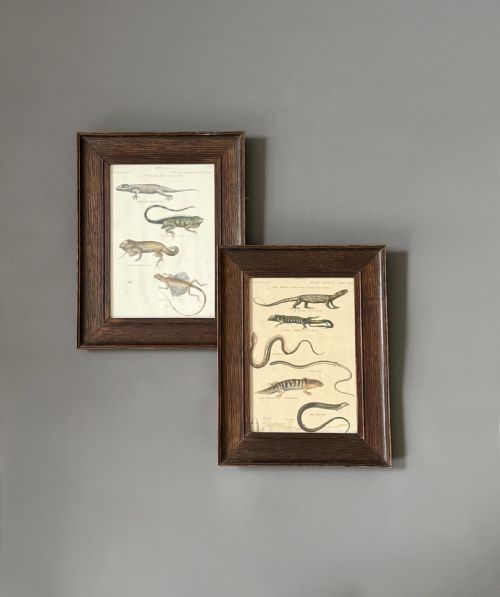
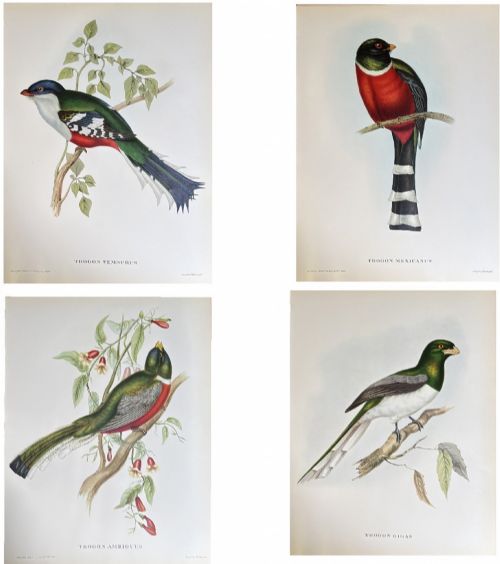
A 19th century bird engraving brings natural history illustration into domestic spaces through framed prints on paper. You will most commonly encounter framed sets and individual plates depicting tropical species, parrots, and waterfowl.
The material record on this page shows works originating across the nineteenth century, including Victorian, Regency, and Georgian periods. These pieces often arrive mounted behind glass within maple or gilt frames.
While the search specifically targets avian subjects, the broader category encompasses works by notable natural history illustrators published in sets or pairs. Collectors frequently find these prints grouped in series of four or six.
Materials and construction
These works utilise paper as the primary support for ink and hand-applied colour. Printers and publishers employed steel and copper plates to transfer fine lines before artists added pigments by hand.
Framing materials documented in the evidence include wood, gilt, and gold leaf, occasionally paired with glass protection. Maple wood frames appear alongside traditional mouldings designed to protect the paper sheets from atmospheric damage.
Nineteenth-century natural history illustrators occasionally included mischievous pet parrots in their subscriber lists.
Distinctions in quality
Quality rests upon the precision of the initial plate impression and the delicacy of the subsequent hand-colouring. Finer examples retain crisp line definition without blurring or bleeding of pigments across the paper fibres.
The preservation of the paper support and the presence of original framing elements also influence the character of an example. Complete sets sharing uniform colour application and matching framing command greater attention than isolated plates.
William Swainson·Edward Lear·Rev B. Morris
The 19th Century Bird Engraving Glossary
- Engraving
- A printmaking technique where an artist cuts lines directly into a metal plate using a sharp tool called a burin. This process creates crisp, permanent lines capable of holding ink for the printing press.
- Lithograph
- A planographic printing method based on the chemical repulsion of oil and water on a flat stone or metal surface. Artists used this technique to produce multi-coloured natural history plates.
- Hand-coloured
- A finished monochrome print enhanced with watercolour or gouache applied by brush after the initial impression. This secondary process added naturalistic plumage tones to standard published plates.
- Gilt
- A thin layer of gold leaf or gold paint applied to wooden frames or decorative objects. It provides a reflective surface that frames the printed work.
- Regency
- An English stylistic period spanning the early nineteenth century defined by classical restraint and elegance. Furniture and frames from this era often feature rich timber veneers and clean architectural lines.
19th Century Bird Engraving: Frequently Asked Questions
How do I hang them?
Keep these framed paper prints away from direct sunlight to prevent the hand-applied pigments and paper supports from fading over time.
Use sturdy wall fixings suited to the weight of the wood and glass frames rather than simple picture wire alone.
Were they published in sets?
Publishers frequently issued natural history illustrations in uniform sets of four, six, or eight plates to document specific avian families. Collectors often keep these matched series together to preserve their original publication format.
Finding a complete set with consistent colouring remains a primary goal for those furnishing with natural history art.
How are periods identified?
Examination of the paper quality, framing style, and printing technique helps establish the production era. Nineteenth-century works often display specific plate marks and typography typical of period natural history folios.
Cross-referencing the artist and publisher names recorded on the margin provides a reliable method for dating individual plates.
Can I mix different framings?
Pairing prints with slightly different frames works well if the subject matter or paper size shares a common visual weight. Maintaining a consistent mount style helps unify varied frames when hanging multiple plates together.
Grouping works by the same illustrator creates a cohesive display regardless of minor frame variations.