


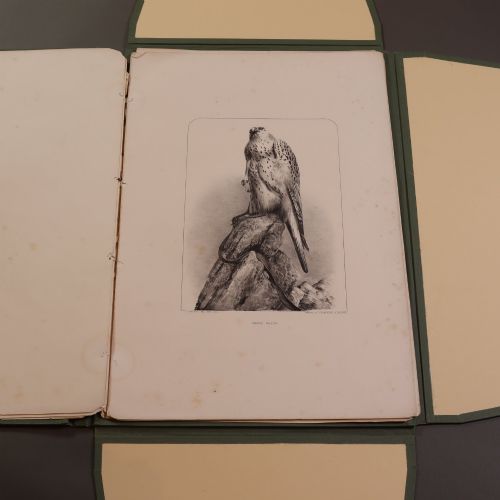


Antique Ornithological Lithographs
Antique ornithological lithographs bring the vivid plumage of natural history into your rooms with remarkable clarity and colour.
Antique Ornithological Lithographs
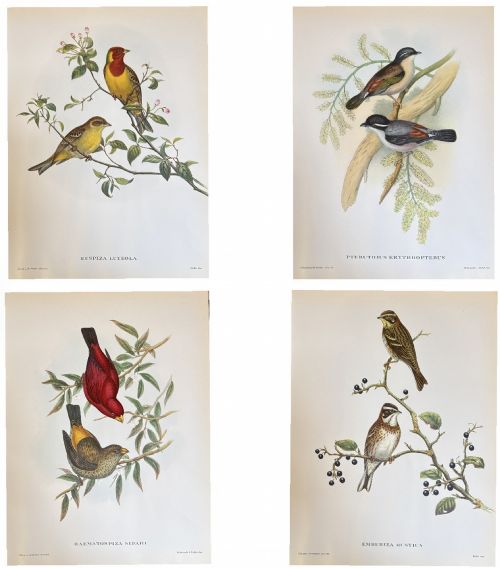
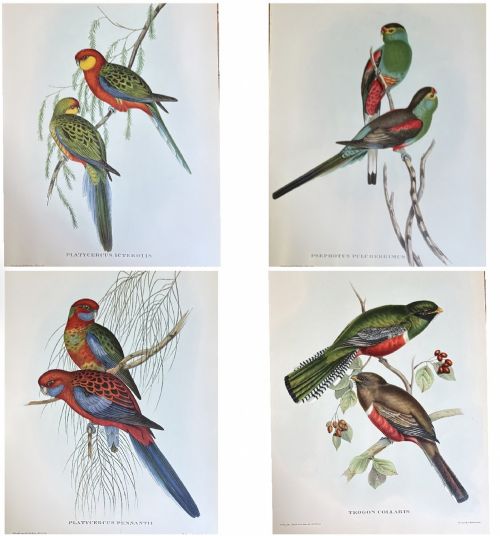
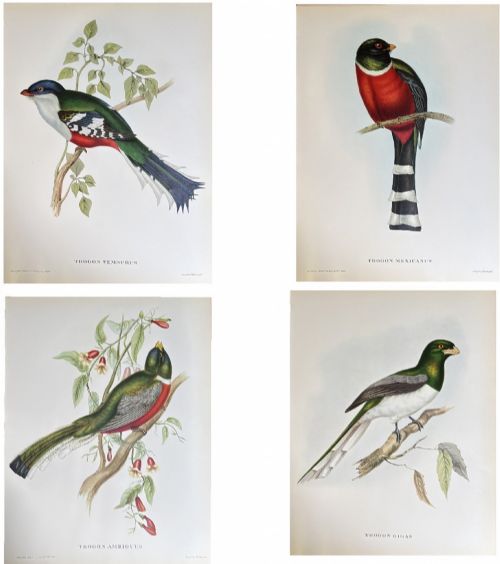
When you search for antique ornithological lithographs, you are looking at nineteenth-century prints depicting birds created through stone printing techniques. These works range from individual framed sheets to sets of tropical bird prints and sets of four Victorian ornithological lithographs.
You are most likely to meet nineteenth-century examples on this page, alongside works dated to eighteen hundred, nineteen ten, and nineteen fifty. They appear as prints, engravings, and art prints, often framed in wood and glass.
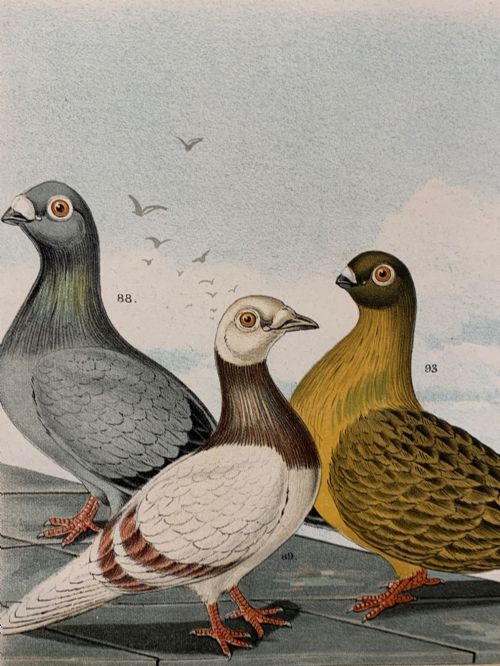
The subjects span pigeon breeds, parrots, and tragopans, offering a clear window into historical naturalism. Sets of four or six tropical bird prints feature prominently in the available selections.
Materials and production methods
These works rely on paper as the primary support, receiving ink through the lithographic process. Many sheets incorporate hand colouring to render the precise hues of feathers and foliage.
Framed examples utilise wood, glass, and board to protect the paper sheets. Some presentations include gilt or gold leaf finishes on the framing to complement the artwork.
Antique Ornithological Lithographs Retail Price Guide 2026
Typical asking prices for ornithological lithographs among the pieces listed under this phrase on Sellingantiques today, from the lower quarter to the upper quarter. They describe what is for sale here now, not the wider market.
Tragopans and pigeon breeds stare out from these nineteenth-century pages with an intensity that outlasts every modern screen.
Assessing quality and execution
The distinction between standard prints and superior examples rests in the crispness of the lithographic line and the vibrancy of the applied colour. Finer works display meticulous attention to anatomical detail in the bird subjects.
The integrity of the paper support and the quality of historical framing materials further separate individual pieces. Complete sets maintain greater consistency across the series than assembled groups.
John Hancock·Edward Lear
The Antique Ornithological Lithographs Glossary
- Lithograph
- A print produced by drawing an image on a limestone or metal plate with a greasy medium and applying ink. This technique allows for subtle tonal gradations and fine lines.
- Engraving
- An image cut directly into a hard plate using a sharp tool before ink is pressed into the recesses. It produces crisp, distinct lines quite different from soft lithographic shading.
- Victorian Naturalism
- A nineteenth-century artistic and scientific movement focused on the detailed observation of the natural world. Works in this style prioritize accuracy in depicting flora and fauna.
- Gilt
- A thin layer of gold or gold-like material applied to wood or other surfaces. It adds a reflective border to framed prints.
Antique Ornithological Lithographs: Frequently Asked Questions
What periods do these prints date from?
The available pieces span the nineteenth century, with specific dates including eighteen hundred, nineteen ten, and nineteen fifty.
Victorian natural history styles predominate among the historical examples.
How were these prints originally framed?
Historical framing typically involves wood structures enclosing paper, ink, board, and glass. Gilt and gold leaf details often enhance the presentation.
Many sheets survive in sets of four or six.
What subjects appear in these works?
Common subjects include tropical birds, pigeon breeds, parrots, and tragopans. These ornithological studies reflect nineteenth-century scientific interests.
Artists such as Edward Lear and John Hancock contributed to this tradition.
How should I care for framed prints?
Keep framed paper works away from direct sunlight to prevent the fading of ink and hand-applied colours. Maintain stable indoor humidity levels to protect the paper and wooden frames.
Ensure the glass remains clean to preserve the legibility of the detailed bird studies.