

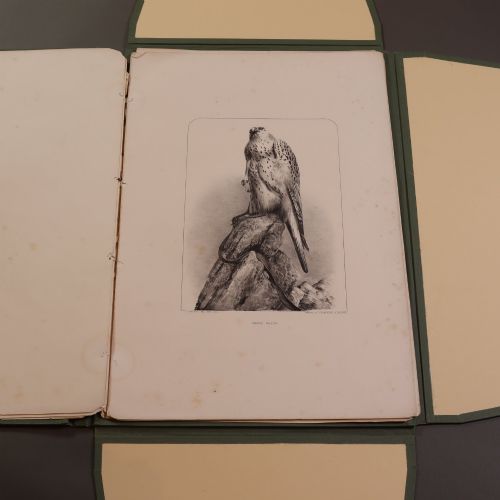


Green Bird Print
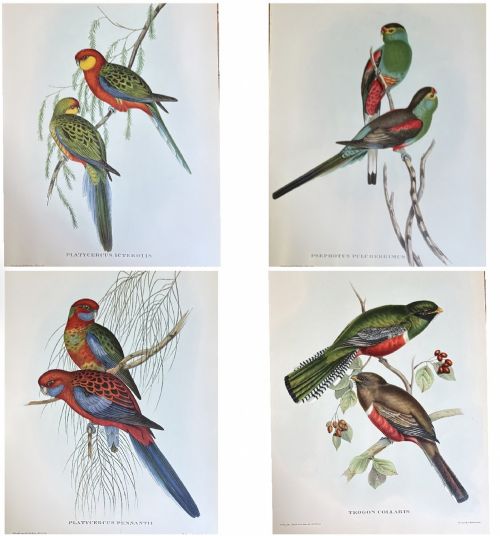
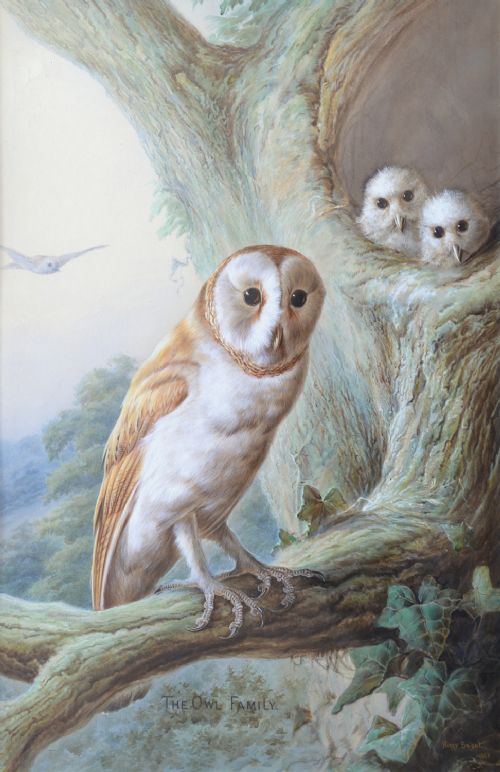
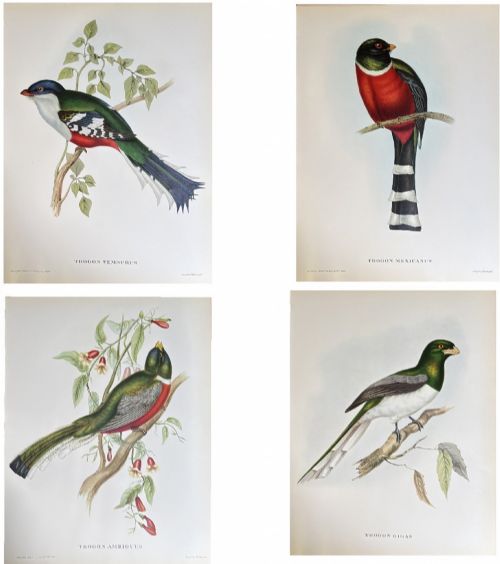
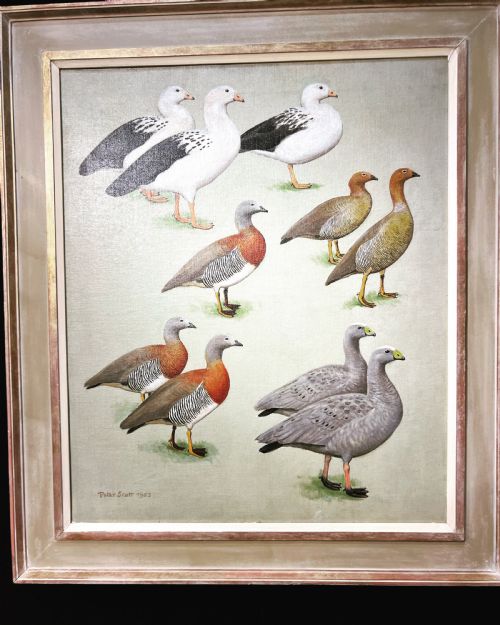
A green bird print brings the precision of natural history illustration and the colour of nineteenth century study straight to your wall.
Green Bird Print
A green bird print covers historical ornithological studies, Victorian engravings, and twentieth century watercolours. These works record avian subjects through detailed observation and natural history illustration.
The selections on this page range from nineteenth century lithographs and engravings to mid-century tropical bird prints and original watercolours. Collectors find framed prints, canvas paintings, and unframed paper sheets.
Victorian naturalism and nineteenth century realism dominate the stylistic range, capturing parrots, parakeets, and tropical species. Each piece reflects the era's dedication to accurate natural science documentation.
How they were made
Makers utilised paper and canvas as supports, applying ink, watercolour, and oil paint to render plumage and foliage. Hand-coloured lithographs and engravings required skilled draughtsmanship before pigment met the surface.
Many historical examples feature framing in wood and protection under glass to preserve delicate paper and watercolour mediums. Artists like William Swainson and John Gould relied on precise plate printing combined with careful wash techniques.
Green Bird Print Retail Price Guide 2026
Typical asking prices for green bird print among the pieces listed under this phrase on Sellingantiques today, from the lower quarter to the upper quarter. They describe what is for sale here now, not the wider market.
The site listings span from eighteen hundred through to nineteen sixty, featuring paper, canvas, ink, and watercolour.
What varies in quality
The standard of a green bird print rests upon the fidelity of the draughtsmanship and the preservation of the original pigments. Hand-coloured plates with rich watercolour washes demonstrate superior execution compared to flat mechanical reproductions.
The clarity of the paper support and the depth of the ink impression distinguish finer ornithological plates. Provenance linked to recognised natural history artists elevates the overall standing of the work.
John Gould·John Hancock·M Simpson·William Swainson·John Sherrin·George Lance
The Green Bird Print Glossary
- Lithography
- A planographic printing process utilising a smooth limestone or metal plate to transfer ink onto paper. This technique enabled the detailed multi-coloured bird plates popular in the nineteenth century.
- Engraving
- A method of cutting design lines into a hard metal plate to hold and transfer ink under pressure. It produces sharp, precise outlines essential for scientific illustration.
- Ornithology
- The scientific study of birds, which heavily informed the natural history prints and paintings produced during the Victorian era. Artists worked closely with scientists to ensure anatomical accuracy.
- Watercolour
- A painting method where coloured pigments are suspended in a water-soluble vehicle on paper. It allowed artists to capture subtle shifts in green plumage and soft avian textures.
- Naturalism
- An art style focused on the accurate depiction of the natural world without idealisation. Nineteenth century practitioners applied this approach to record flora and fauna with rigorous detail.
Green Bird Print: Frequently Asked Questions
How do I date a bird print?
Examine the paper quality, printing technique, and stylistic markers such as Victorian naturalism or mid-century aesthetics.
Printers and publishers often included publication details or distinctive plate marks on nineteenth century engravings.
Are these prints hand coloured?
Many historical ornithological plates combined monochrome printing with delicate manual watercolour washes.
Close inspection reveals brushwork variations that distinguish hand-applied pigment from flat mechanical colour.
How should I frame paper prints?
Protect delicate paper and watercolour mediums behind glass with acid-free mounts to prevent environmental degradation.
Wood framing complements the historical character of nineteenth century natural history illustrations.
What subjects appear besides birds?
Natural history studies frequently incorporate botanical elements, foliage, and related specimens like nests or fruit.
Still life compositions balance avian subjects against detailed arrangements of natural produce.