


Victorian Bird Prints
These Victorian bird prints capture the meticulous natural history illustration of the nineteenth century, offering collectors a detailed window into ornithological art.
Victorian Bird Prints
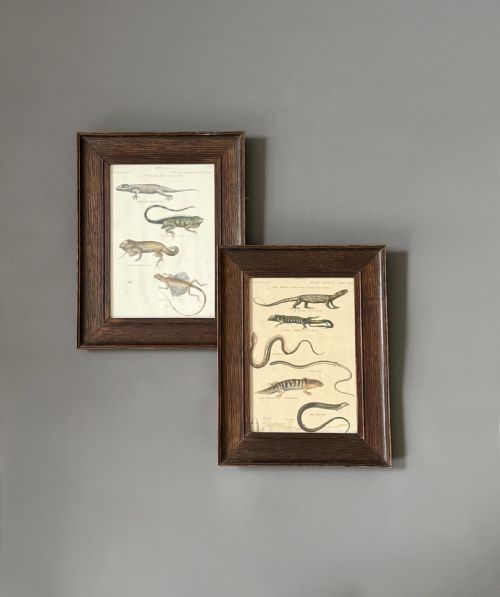
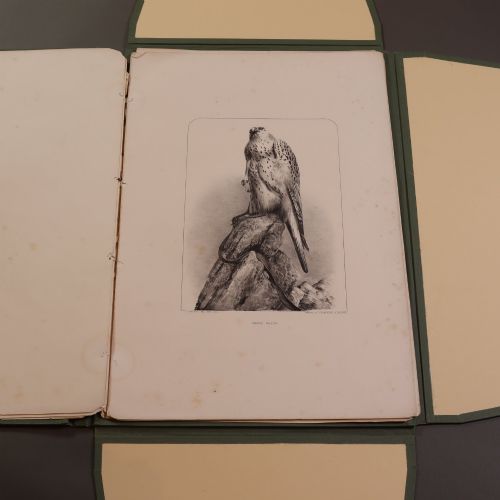
Victorian bird prints encompass framed engravings, lithographs, and watercolours produced during the nineteenth century, often reflecting natural history and naturalism styles.
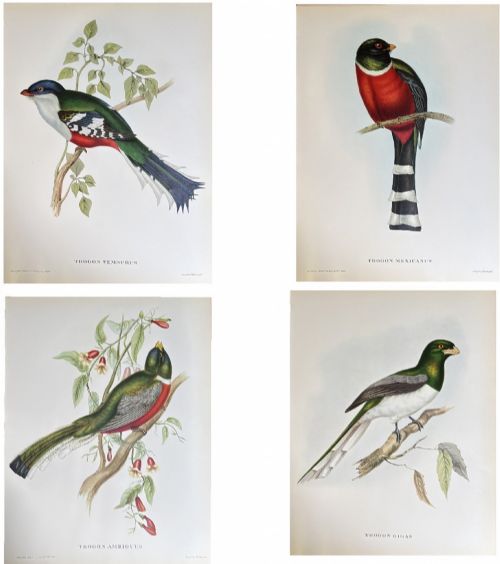
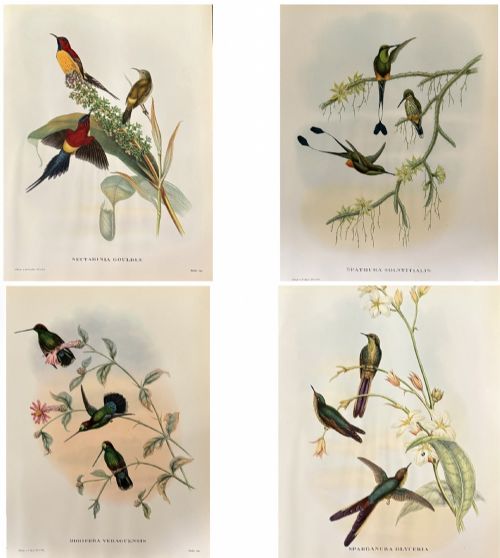
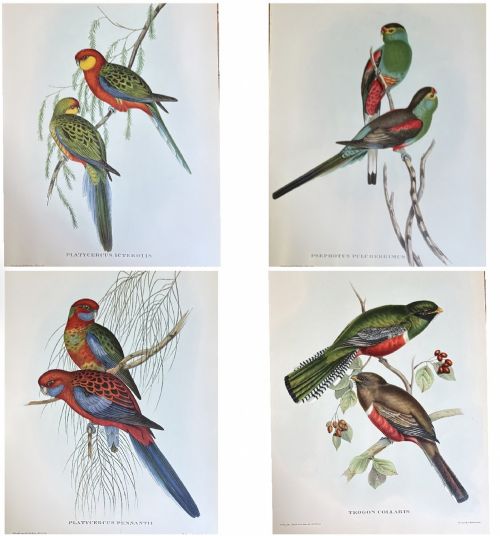
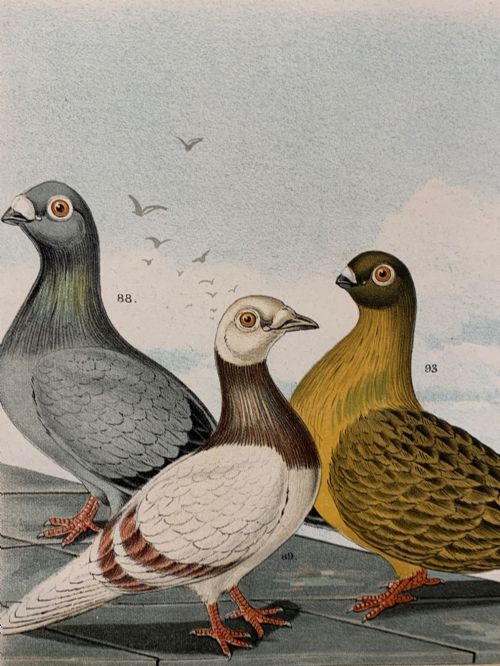
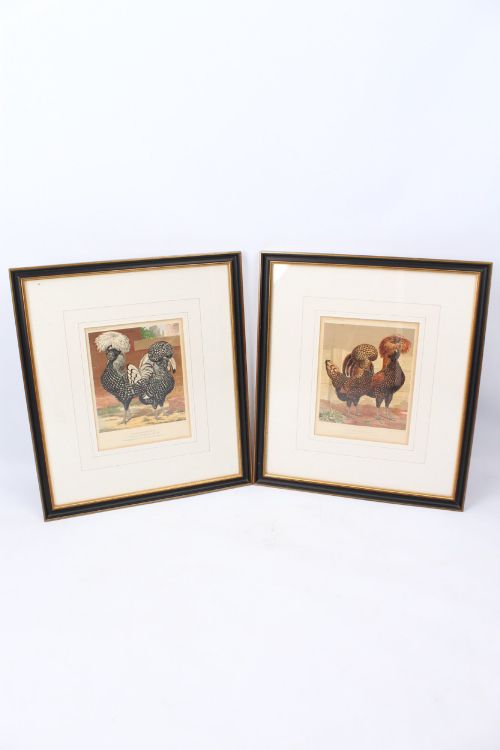
Buyers encountering this category will frequently discover sets of framed bird engravings depicting ducks, tropical species, or lithographs illustrating specific pigeon breeds and western tragopans.
Originating largely from the nineteenth century, these works span various forms including wall art, framed prints, and individual ornithological studies executed on paper.
Materials and Techniques
Makers utilised paper as the primary support, applying ink, watercolour, and hand-colouring techniques to delineate avian plumage and anatomical detail.
Framed examples frequently employ wood, glass, and gilt or gold leaf mounts, alongside ebonised frames that complement the works on paper.
Listings in this category span nineteenth-century paper works executed in ink, watercolour, and lithography, paired with wood and glass framing.
Assessing Quality
Quality rests upon the precision of the draughtsmanship and the vibrancy of the original hand-colouring or ink work applied to the paper.
The preservation of the paper support and the harmony of the framing materials, such as deep giltwood mounts and ebonised wood, elevate the standing of a piece.
John Hancock·Arthur Wardle·William Swainson·Edward Lear
The Victorian Bird Prints Glossary
- Lithograph
- A printmaking process where an image is drawn onto stone or metal and transferred to paper. This technique allowed for the economical reproduction of natural history illustrations in colour.
- Engraving
- A print produced by cutting a design into a metal plate, which then holds ink for transfer. These lines offer exceptional crispness in botanical and ornithological subjects.
- Watercolour
- A painting method using pigment suspended in water-based solution on paper. Many nineteenth-century studies utilise this medium for direct observation from nature.
- Giltwood
- Wood carved and covered with thin gold leaf or gilt. This finish frequently appears on the decorative mounts and frames enclosing period works.
Victorian Bird Prints: Frequently Asked Questions
What subjects do these prints show?
The selections record various avian subjects including tropical birds, ducks, game birds, and specific pigeon breeds. Artists depicted these creatures with scientific observation and artistic intent.
Many examples arrive as sets, depicting waterfowl or exotic species across multiple uniform plates intended for study or wall display.
How are these pieces framed?
Period framing often incorporates ebonised wood and deep giltwood mounts to protect the delicate paper surfaces. Glazing shields the ink, watercolour, and hand-colouring from environmental dust and moisture.
Some works appear unframed, allowing collectors to select bespoke mounting that suits individual conservation and interior display requirements.
Are these works hand-coloured?
Many nineteenth-century plates received careful hand-colouring over printed ink outlines to accurately render the plumage and characteristics of each species. Watercolour additions further enhanced the depth of the published engravings and lithographs.
This combination of printmaking and manual pigment application defines much of the natural history output from the period.
How should I care for these prints?
Preserving works on paper requires placement away from direct sunlight to prevent fading of the inks, watercolours, and hand-coloured details. Maintaining stable indoor humidity protects both the paper support and any wooden or gilt framing.
Professional framing using acid-free materials ensures the longevity of nineteenth-century ornithological plates during domestic display.