


19th Century Bijouterie
These pieces of 19th century bijouterie are glazed tables and cabinets designed to hold small treasures.
19th Century Bijouterie
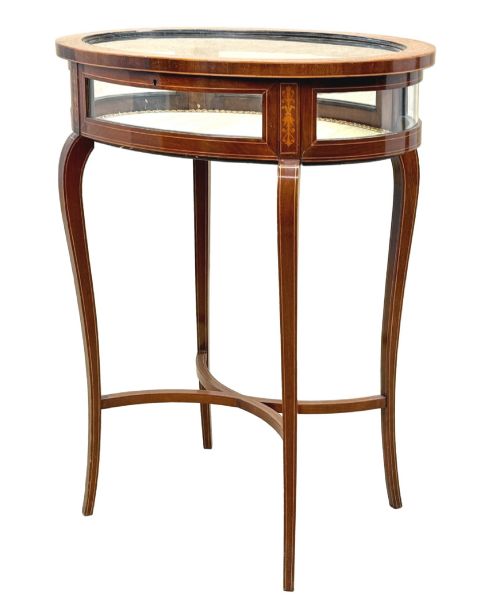
The prevailing styles draw heavily upon French Rococo Revival and Louis XV designs, often identified through serpentine lines and glass-topped compartments. These items served a dual purpose in period interiors, functioning both as decorative furnishings and as secure display surfaces for prized possessions.
Materials and construction
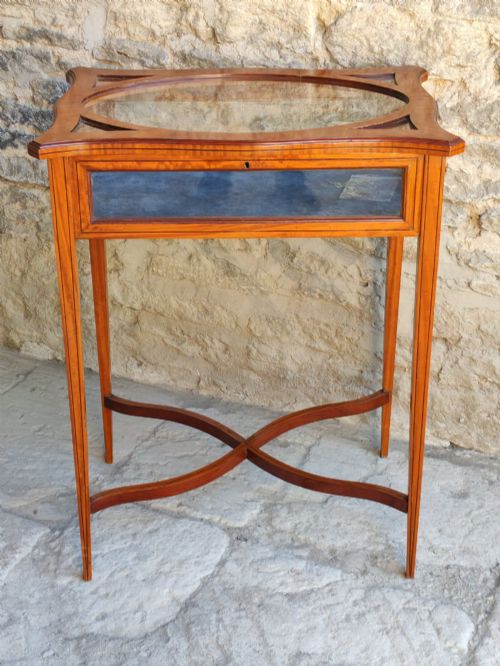
Cabinet makers utilised a rich palette of timbers, pairing structural hardwoods like mahogany, walnut, oak and rosewood with decorative veneers such as satinwood and kingwood. Marquetry inlays and intricate brass stringing frequently adorn the exterior surfaces of these display pieces.
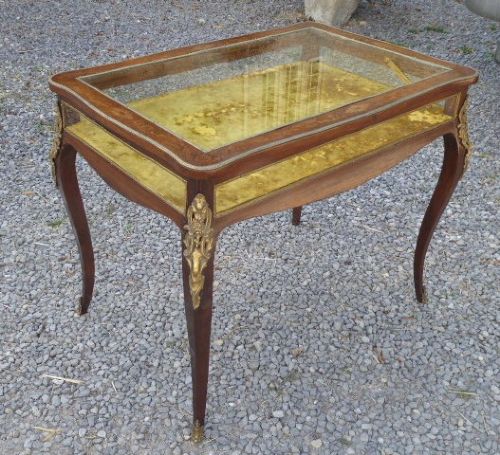
Gilt-bronze and ormolu mounts provide structural accents and decorative borders around glass panels. Interior compartments are typically lined with velvet or fabric to cushion the delicate items placed on display.
Listings feature glass, mahogany, velvet, ormolu, kingwood, fabric, brass, and satinwood across multiple Victorian periods.
Judging quality in 19th century bijouterie
The standard of cabinetwork and the precision of the marquetry inlay set the baseline for quality. Pieces that incorporate cast ormolu mounts with crisp chasing and secure glass glazing demonstrate superior workshop capability.
Proportion and wood selection distinguish finer examples from standard production. Richly figured grain veneers combined with harmonious revival styling separate the more ambitious creations from simpler domestic furnishings.
Trollope and Sons
The 19th Century Bijouterie Glossary
- Bijouterie table
- A specialist display table featuring a glazed top and velvet-lined interior compartment for exhibiting small valuables. These tables often stand on slender cabriole legs.
- Ormolu
- Gilt-bronze mounts applied to furniture for decorative effect. The technique involves applying a gold amalgam to bronze before firing.
- Vitrine
- A glass-fronted cabinet or display case designed to showcase porcelain, curiosities and precious objects. The term derives from the French word for glass.
- Marquetry
- Decorative veneer work arranged in pictorial or geometric patterns using various coloured woods. Craftsmen assemble these thin wood slices carefully before applying them to the carcase.
- Cabriole leg
- A furniture leg that curves outward at the knee and tapers inward at the ankle, ending in a pad or claw foot. This form is common in revival furniture styles.
19th Century Bijouterie: Frequently Asked Questions
What is a bijouterie table?
A bijouterie table is a low display table with a glass lid that allows small items to be viewed from above. The interior is normally lined with fabric or velvet to protect delicate objects.
These pieces were used in nineteenth century drawing rooms to display collections of coins, medals, miniatures and jewellery to visiting guests.
How do I clean the velvet lining?
Velvet linings require gentle care to avoid crushing the pile. A soft brush or low suction vacuum attachment removes surface dust safely.
Water and liquid cleaners should be avoided because moisture can damage the surrounding wood veneers and corrode internal metal joints.
Are these tables suitable for everyday use?
These glazed display pieces serve well for holding lightweight collections and decorative items. The glass top protects the contents from dust while keeping them visible.
Heavy objects should not be placed on the glass lids, as the delicate frames and hinges are designed primarily for viewing rather than weight-bearing storage.
How do I distinguish French styles?
French revival pieces often display curved cabriole legs, asymmetrical ormolu mounts and elaborate floral marquetry. These design cues reflect the influence of Louis XV and Rococo aesthetics.
English interpretations tend to feature straighter lines, simpler brass inlay and more restrained proportions while utilising similar mahogany and satinwood timbers.