


19th Century Berlin Porcelain
These 19th century berlin porcelain pieces bring painted topographical scenes, classical figures and rich giltwork into the home.
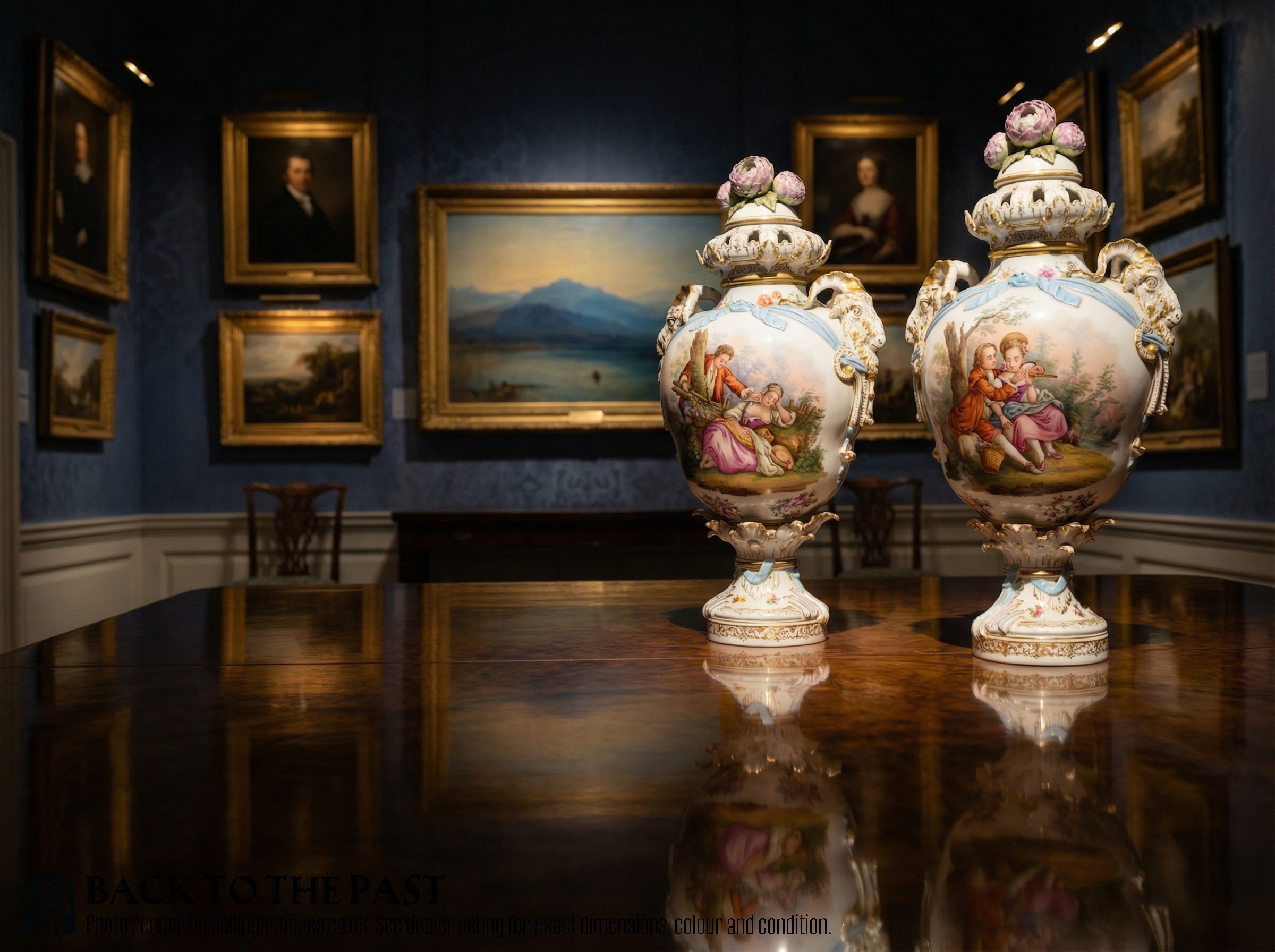
19th Century Berlin Porcelain
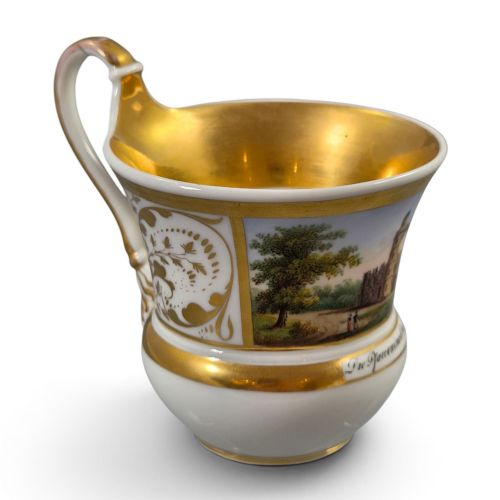
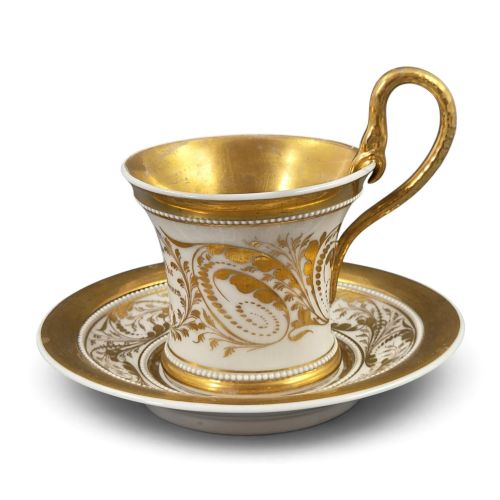
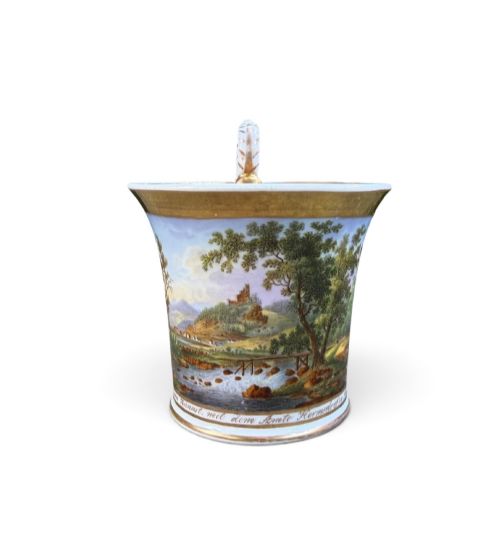
When you search for 19th century berlin porcelain, you find cabinet cups, tea wares, salt cellars and large painted plaques produced primarily by the KPM factory. The forms range from small sugar shakers and miniature plaques to large lidded vases and three-piece clock sets.
The pieces emerge from several periods across the century, including Georgian, Victorian, and later decades up to nineteen-ten. Neoclassical and Rococo Revival styles appear frequently alongside topographical and figural subjects.
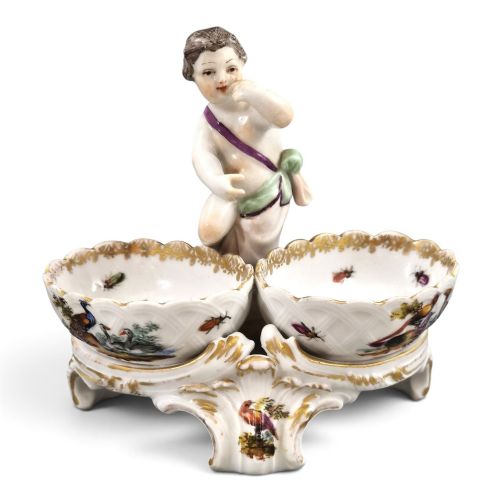
Tableware forms include handled presentation cups, saucers and fluted dishes alongside decorative figural salt cellars featuring putti and birds. Larger decorative works comprise framed porcelain plaques depicting literary scenes, portraits and classical subjects.
How they were made
Makers utilised hard-paste porcelain as the primary body for these items, shaped into vessels, figures and flat panels. This dense ceramic material provided a stable white ground suited to detailed miniature painting.
Surface decoration combined hand-painted enamel colours with gold leaf, gilding and gesso details. Many items incorporated giltwood or ormolu frames to house the porcelain plaques.
Several salt cellars feature cherubs and putti seemingly caught in the middle of domestic duties.
What varies in quality
The fineness of the hand-painted brushwork separates standard production items from exceptional artistic works, particularly in detailed facial expressions and topographical rendering. Portraiture and narrative scenes require high skill in enamel application.
The application of gilding and the quality of associated mounts, such as ormolu frames or giltwood surrounds, influence the overall character of the piece. Subsidiary elements like figural sculpting in salt cellars and clock sets demonstrate sculptural competence.
KPM Berlin
The 19th Century Berlin Porcelain Glossary
- Hard-paste porcelain
- A durable ceramic composition fired at high temperatures, providing a smooth vitrified body used by Berlin makers.
- Cabinet cup
- A decorative cup and saucer intended for display in a cabinet rather than regular drinking use.
- Porcelain plaque
- A flat ceramic panel painted with a scene or portrait, often mounted in a frame like an oil painting.
- Neuzierat
- A specific moulded porcelain pattern style featuring raised ornamentation around the rim or edge.
- Salt cellar
- A small open vessel or figural well used on the dining table to hold salt.
19th Century Berlin Porcelain: Frequently Asked Questions
What is KPM Berlin porcelain?
KPM refers to the Royal Porcelain Factory in Berlin, known for producing high-quality hard-paste porcelain items throughout the nineteenth century.
The factory manufactured everything from utilitarian tea services and cabinet cups to large painted plaques and decorative figures.
How are porcelain plaques displayed?
Nineteenth century porcelain plaques are generally framed in wood, ormolu or giltwood mounts for hanging on walls or placing on surfaces.
They function similarly to oil paintings, depicting portraits, literary scenes and topographical views.
What subjects appear on these pieces?
Common subjects include topographical views such as Peacock Island, literary characters like Romeo and Juliet, and historical portraits.
Figural works also feature cherubs, putti, young boys eating fruit and allegorical figures representing months.
How do I identify the period?
Periods range from Georgian and Victorian eras through to the late nineteenth and early twentieth centuries.
Stylistic indicators include Rococo Revival scrollwork, Neoclassical symmetry and Victorian decorative motifs.