





19th Century Bell
When you explore a 19th century bell, you find functional metalwork, domestic call systems and timepieces that echo the industrial age.
19th Century Bell
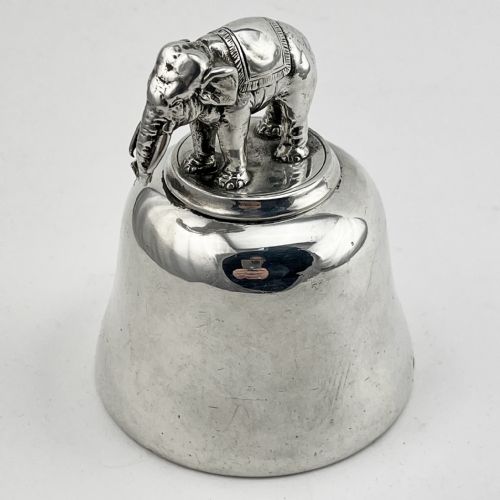
The selection encompasses domestic hand bells, counter bells, heavy bronze church or ship bells, and mechanical assemblies like servants' bell pulls.
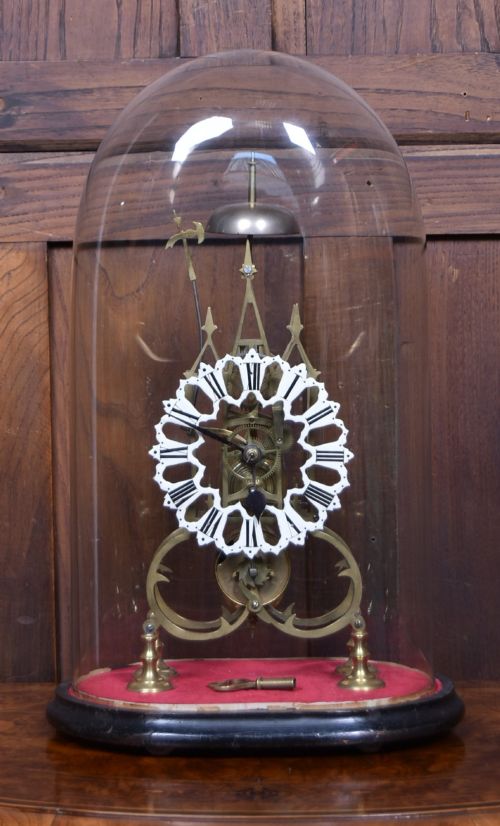
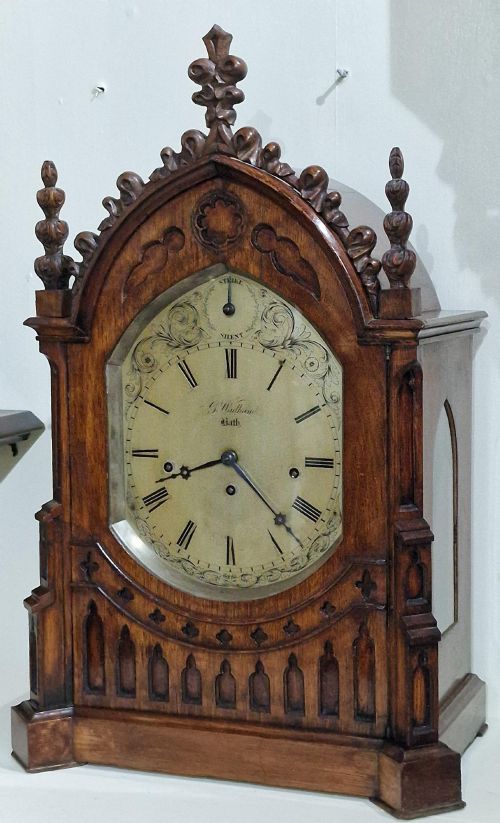
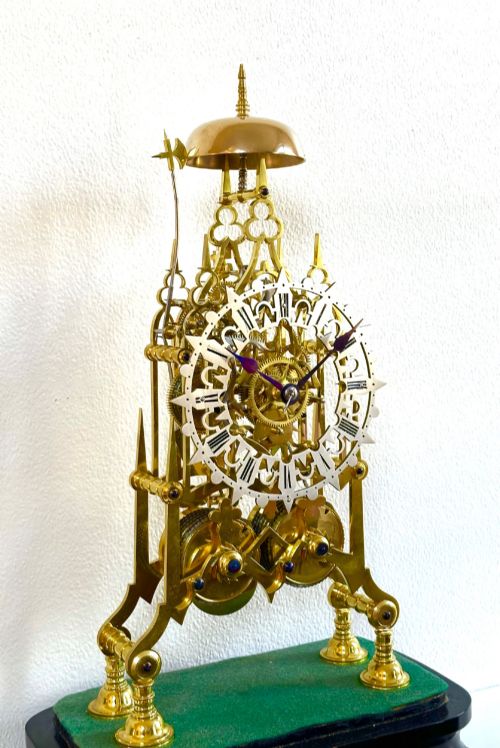
Clocks incorporating bell-striking mechanisms also appear frequently alongside standalone bronze and brass examples from the Victorian era.
Origins range from English country houses and Scottish foundries to French carriage mechanisms and continental workshops.
Materials and construction methods
Foundries utilised cast bronze and brass to achieve resonant acoustic properties, often mounting items on original iron brackets or wooden handles.
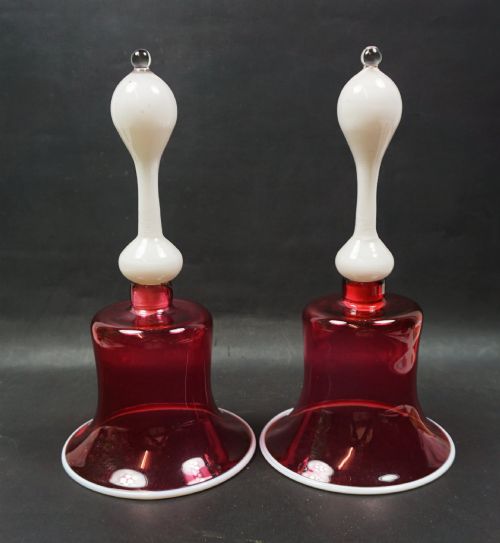
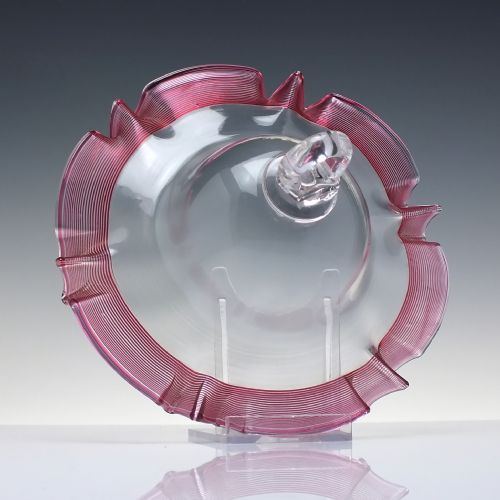
Glassmakers in England and Belgium shaped cranberry, ruby and clear glass into decorative table hand bells and wall-mounted bell pulls.
Some historic domestic bells arrived complete with original operating instructions.
Assessing craftsmanship and condition
Quality rests in the purity of the metal cast and the sustained clarity of the acoustic resonance when struck.
Original mounting hardware, retaining brackets and untampered striking hammers elevate an object above modified or incomplete assemblies.
George Wadham·Wedgwood·Paul Garnier·Dwerrihouse And Bell
The 19th Century Bell Glossary
- Fusee
- A conical pulley used in clock movements to maintain even power as the mainspring unwinds. This mechanism is common in quality 19th-century bell-striking clocks.
- Drabware
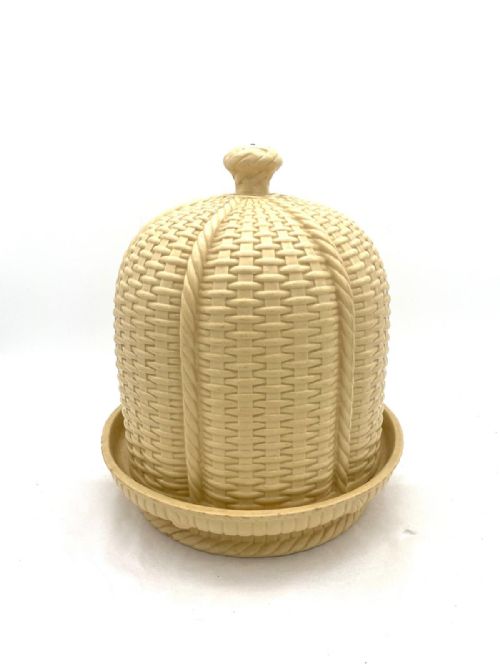
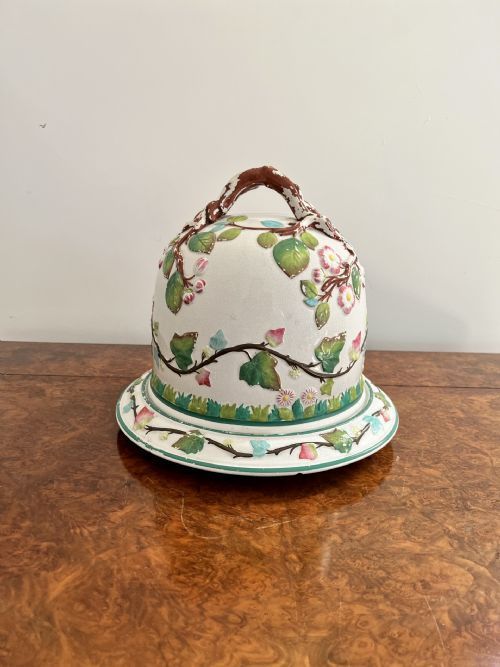
- A ceramic tableware body in dull brownish-grey or olive tones, popular during the 19th century for items such as cheese domes.
- Majolica
- A colourful lead-glazed earthenware developed in the Victorian era, frequently utilised for decorative cheese dishes and stands.
- Doucine
- A concave-convex moulding shape often seen on the architectural case of a French carriage clock.
- Ganging bells
- A matched grouping of bells tuned to sound together, found in decorative sets from the period.
19th Century Bell: Frequently Asked Questions
How were table hand bells used?
Domestic hand bells rested on dining tables or desks to summon servants or draw attention in large Victorian rooms.
Their sharp acoustic tone carried through heavy drapery and across multiple rooms in a country house.
What is a bell-striking clock?
A bell-striking clock uses an internal hammer to hit a bronze bell on the hour or half-hour, marking time audibly.
These movements range from French carriage clocks to heavy fusee wall and mantel clocks.
Where were door and wall bells mounted?
Front door bells and alpine door bells were secured to exterior masonry or timber frames using wrought iron brackets.
Mechanical linkages connected exterior pulls to interior bells, alerting households to arriving visitors.
How do glass bells differ from metal ones?
Glass bells, produced in centres like Nailsea or Belgium, rely on dense crystal or coloured glass to create tone rather than cast bronze.
They served as decorative table items or functional glass pulls for interior cord systems.