





Antique Vessel Bell
When you handle an antique vessel bell, you hold centuries of maritime communication, dining, and ritual in cast metal and lead glass.
Antique Vessel Bell
An antique vessel bell encompasses diverse forms ranging from large maritime brass and bronze ship bells to intimate glass bell bowls on drinking vessels and decanters. Buyers searching this phrase encounter heavy maritime instruments alongside domestic Georgian wine glasses and bronze censers sharing a bell-like profile or acoustic resonance.
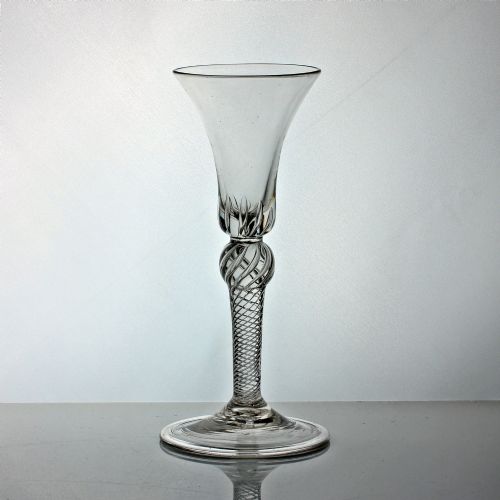
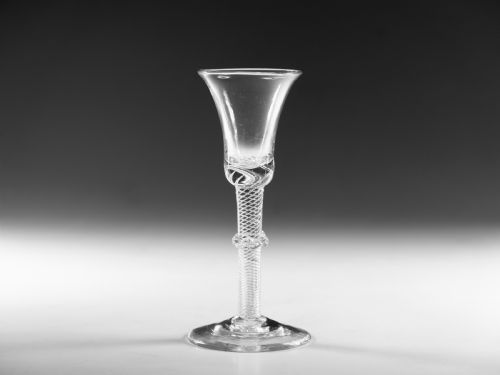
The domestic drinking vessels on this page display classic bell bowl profiles set atop air twist stems, plain stems, and composite stems originating in eighteenth-century England. Meanwhile, the heavier pieces draw from nineteenth-century maritime contexts and earlier bronze traditions, providing a direct link to practical seafaring and ritual use.
How they were made
Metal items like ship bells, mortars, and censers utilise heavy bronze and copper alloy casting methods designed to produce clear resonance and immense structural durability. These pieces rely on precise foundry work to achieve the thickness required for deep, sustained tones.
Glassware items employ lead glass, clear glass, flint glass, and cut crystal glass, shaped into bell bowls and decanters using traditional blowing and cutting techniques. The addition of white enamel details and twisted stem formations demonstrates specialised glasshouse manipulation during the Georgian period.
A heavy bronze censer listed here manages to double as a bell, giving your incense smoke a proper wake-up call.
What varies in quality
Quality rests in the acoustic resonance and the crispness of the casting or glass cutting, where superior bronze alloys yield a purer tone and finer glass displays precise optical clarity. The complexity of the stem formation in drinking vessels and the thickness of the metal in ship bells dictate the overall standard of craftsmanship.
Proportion and form define the upper tier of these objects, distinguishing master-cast censers and detailed maritime bells from standard utilitarian production. The preservation of original surface patination in bronze and unblemished clarity in lead glass further separates the exceptional examples.
The Antique Vessel Bell Glossary
- Bell bowl
- A drinking vessel bowl shaped precisely like an inverted bell, curving outward towards the rim. This form appears frequently on eighteenth-century English wine glasses.
- Air twist
- A decorative stem formation enclosing elongated threads of air within the glass. Makers created these by drawing and twisting heated glass canes.
- Copper alloy
- A broad category of metals including bronze and brass, containing copper as the principal component. These alloys provide the strength and resonance required for bells and mortars.
- Composite stem
- A wine glass stem combining two or more distinct manufacturing styles, such as an air twist section joined with a knop. Such complexity demands advanced glassmaking skill.
Antique Vessel Bell: Frequently Asked Questions
What is an antique vessel bell?
An antique vessel bell refers broadly to cast metal maritime bells, heavy bronze censers, and glass vessels featuring bell-shaped bowls. These pieces span domestic dining and seafaring utility.
They unite under the common traits of bell-like profiles, resonant acoustic qualities, and historical manufacturing methods ranging from eighteenth-century glasshouses to nineteenth-century shipyards.
How do I date a glass bell bowl?
Dating relies on examining the stem formation, foot style, and glass composition, such as identifying lead glass or air twists typical of the eighteenth century.
Changes in glasshouse techniques and prevailing Georgian or Victorian styles help narrow the decade of production when combined with physical handling.
Can I polish bronze ship bells?
Polishing bronze removes the historic patination that accumulates over centuries, which many collectors prefer to keep intact for authenticity.
Light cleaning with a soft cloth removes dust safely without stripping the aged surface character developed through maritime use.