

19th Century Bedside Drawers
These 19th century bedside drawers offer compact storage and period character, bringing practical timber or painted finishes right beside the bed.
19th Century Bedside Drawers
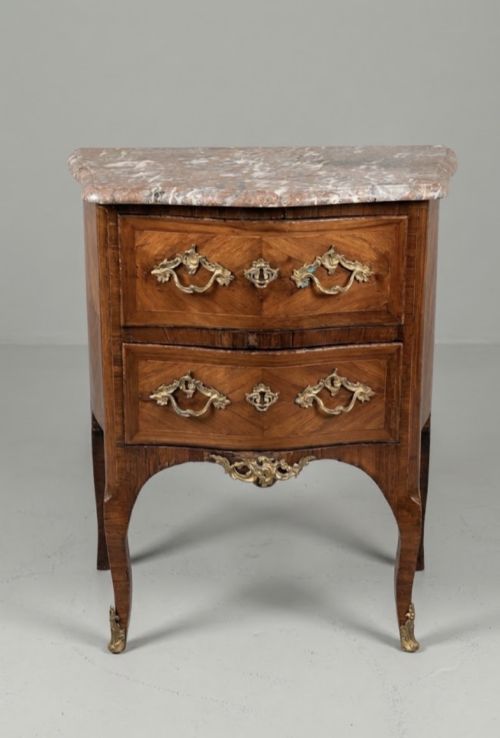
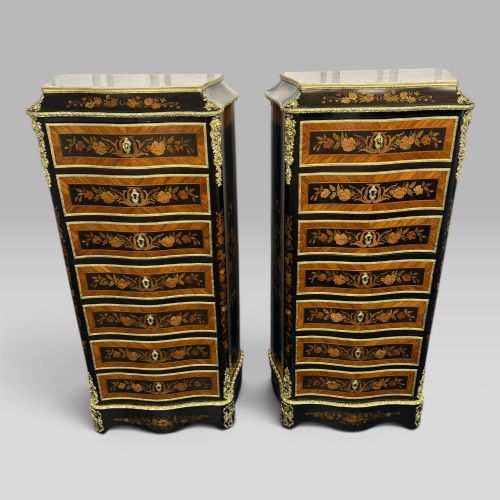
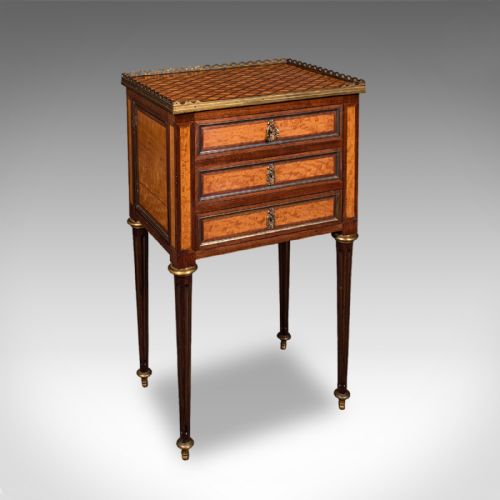
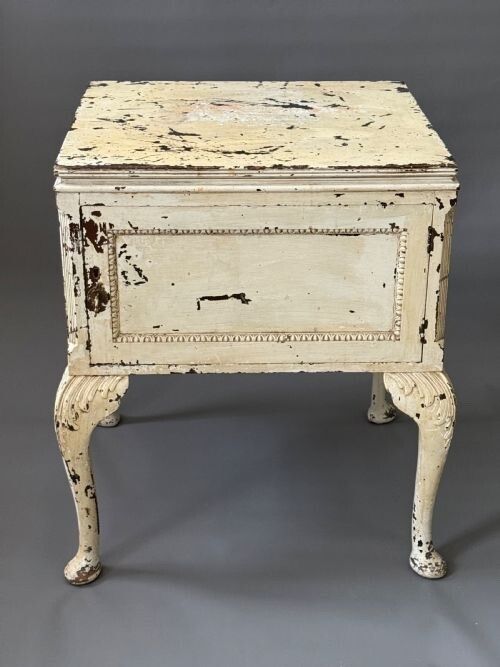
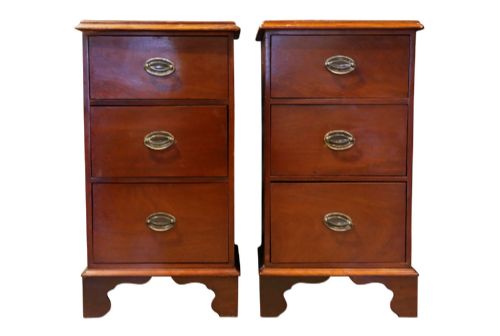
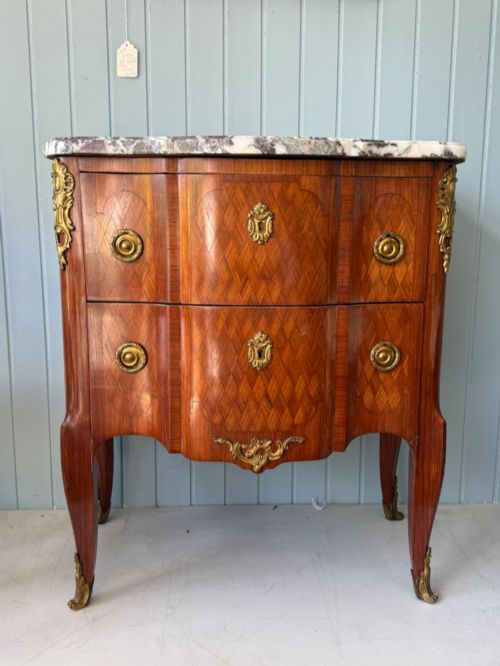
When you search for 19th century bedside drawers, you encounter a variety of compact chests, cabinets, and commodes produced across the Victorian, Regency, and earlier 19th-century periods. These pieces range from simple English mahogany nightstands to French walnut and marble-topped bedside cabinets, as well as Swedish painted commodes.
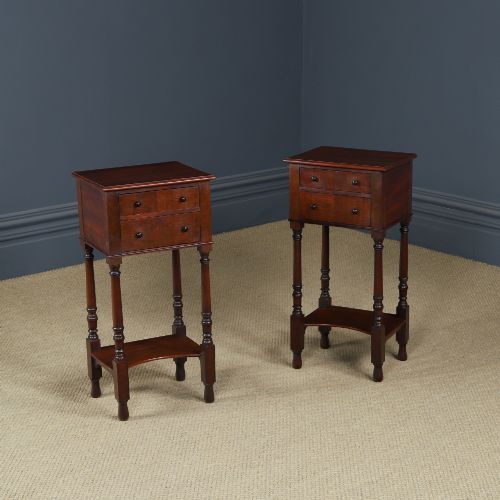
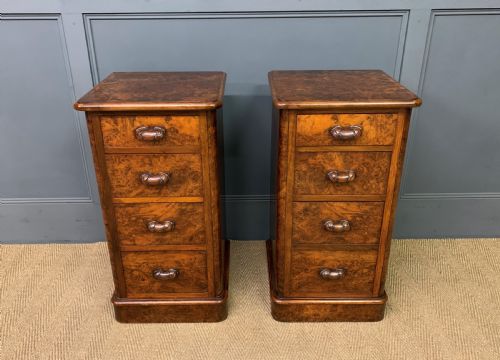
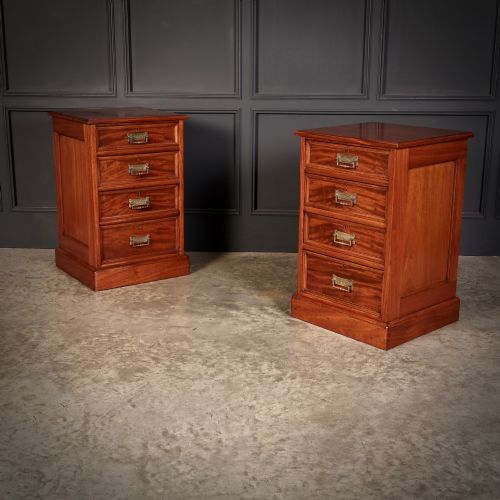
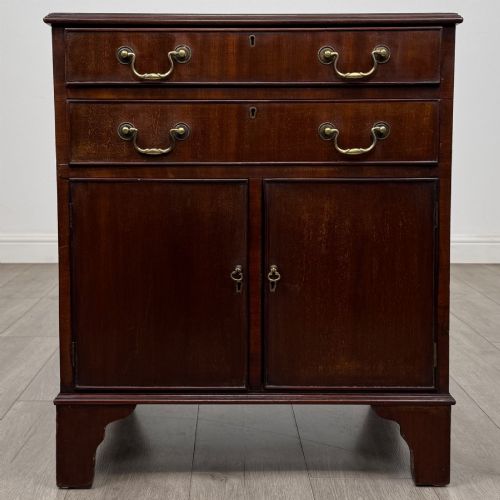
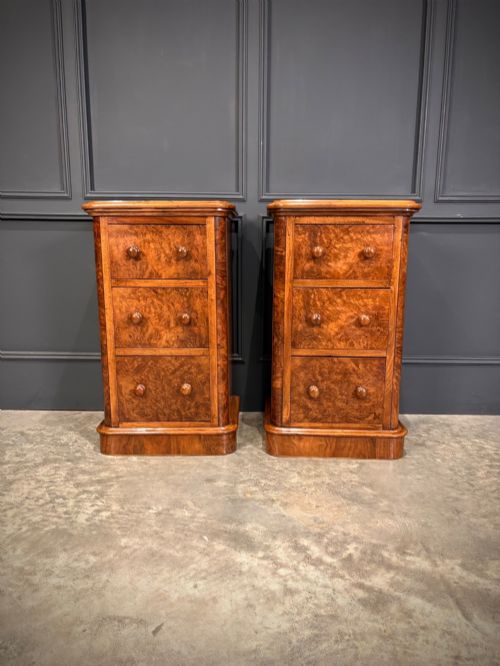
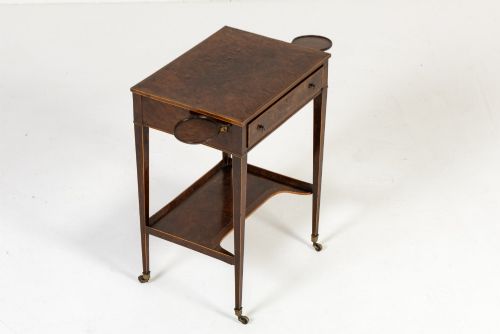
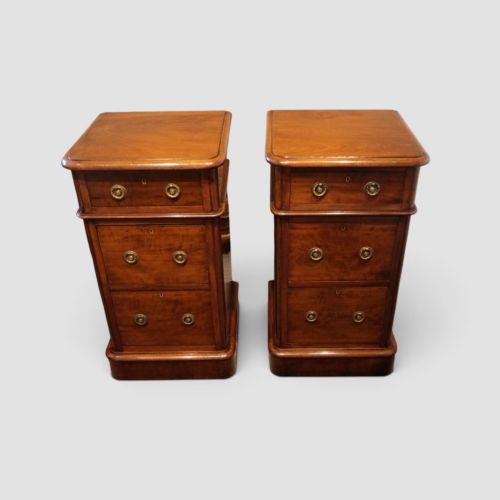
You are most likely to meet mahogany or burr walnut pieces featuring three drawers or a single door with a drawer above, often found in pairs. English country and formal Victorian workshops both supplied these smaller scales for the bedroom, alongside occasional lamp tables and side tables adapted for bedside use.
Materials and Construction
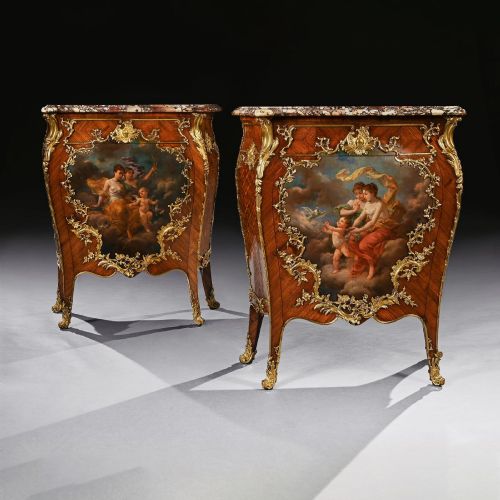
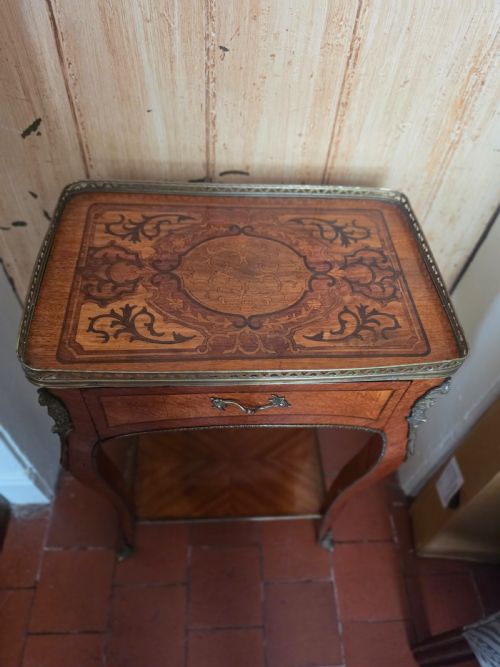
Cabinetmakers utilised solid timbers and veneers including mahogany, walnut, burr walnut, pitch pine, oak, and satinwood, frequently pairing them with brass handles and fittings. French and Swedish examples often incorporated marble tops, delicate inlay, parquetry, or hand-painted and simulated painted wood surfaces.
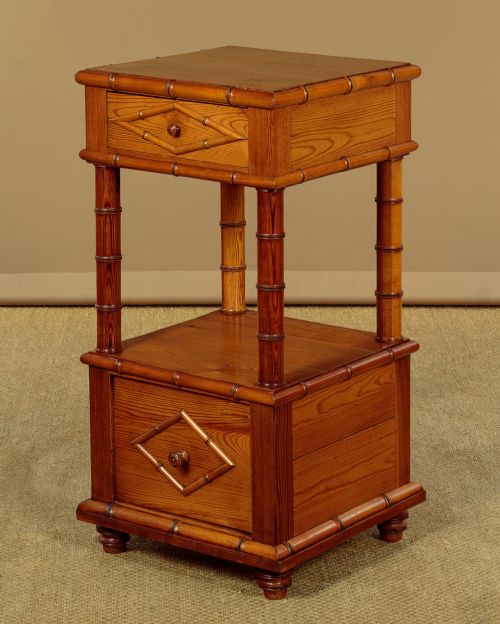
Construction relied on traditional dovetail joints for drawer boxes and frame carcass assembly, ensuring stability in daily use. Turning, carving, and faux bamboo shaping formed the structural supports and legs seen across the different regional styles.
19th Century Bedside Drawers Retail Price Guide 2026
Typical asking prices for 19th century bedside drawers among the pieces listed under this phrase on Sellingantiques today, from the lower quarter to the upper quarter. They describe what is for sale here now, not the wider market.
Several pieces embrace bamboo illusionism through carved faux bamboo frames.
Evaluating the Pieces
Quality rests upon the selection of timber figures, such as the richness of burr walnut or the grain pattern in mahogany, balanced against the crispness of any carving, inlay, or brass detail. The proportion and scale of a piece determine its success as a bedside companion, with finer examples maintaining neat dimensions and harmonious drawer layouts.
The integrity of the construction, including the smoothness of drawer operation and the originality of handles or marble tops, separates standard utility items from more refined examples. Workshops that paid attention to secondary timbers and hidden joints produced pieces that retain their structural form over generations.
The 19th Century Bedside Drawers Glossary
- Commode
- A low cabinet or chest of drawers, frequently of French or Swedish origin, designed for bedroom storage. These pieces often feature marble tops or elaborate parquetry.
- Nightstand
- A small bedside table or chest fitted with drawers or a cupboard for nighttime necessities. Many Victorian examples feature three small drawers.
- Parquetry
- Geometric wood inlay work arranged in patterns across the surface of a cabinet or chest. This technique showcases the varied tones of walnut and other timbers.
- Burr walnut
- Timber taken from the warted growth of a walnut tree, yielding a swirling, highly decorative grain pattern. It appears on polished nineteenth-century chests and cabinets.
- Brush slide
- A pull-out shelf integrated above the top drawer of a small chest, traditionally used for folding garments or placing small items.
19th Century Bedside Drawers: Frequently Asked Questions
Were these drawers made as pairs?
Many nineteenth-century bedside pieces were produced as matched pairs to flank a bed, though single cabinets and commodes were equally common.
Matching pairs are particularly sought after for symmetrical bedroom layouts, combining uniform timber grain and height.
How do I spot French pieces?
French nineteenth-century bedside cabinets often incorporate marble tops, Louis-style revival details, and walnut or inlaid veneers.
They frequently feature curved bombe silhouettes or enclosed single-door cupboards rather than multiple small drawers.
What wood types are most common?
Mahogany and walnut dominate the English and French nineteenth-century inventory, alongside painted pine and elm in Scandinavian pieces.
Burr walnut and satinwood appear on more decorative interpretations from the middle and later decades of the century.