

19th Century Bedside Chests
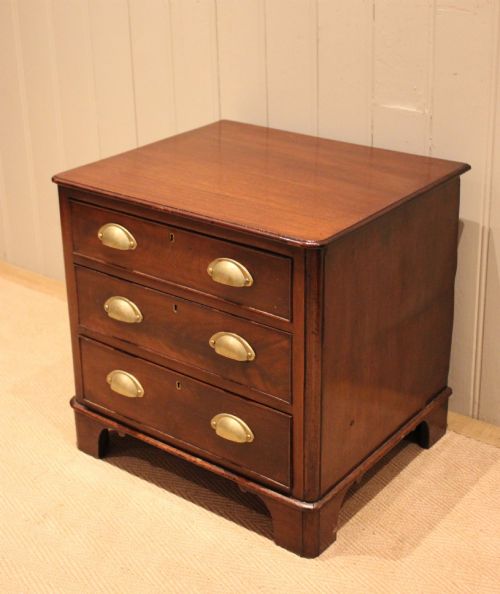
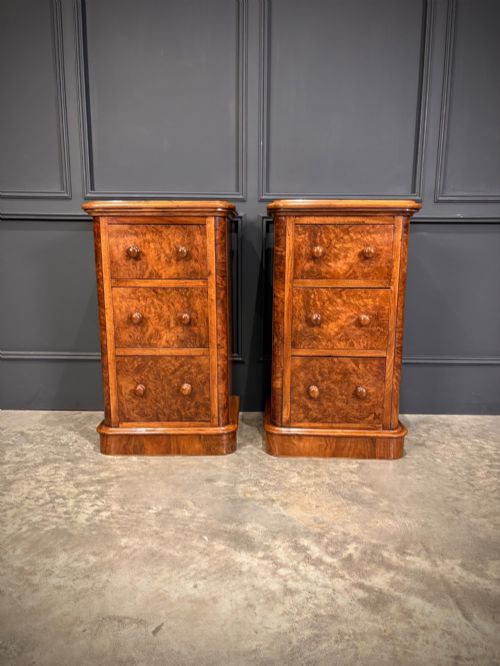
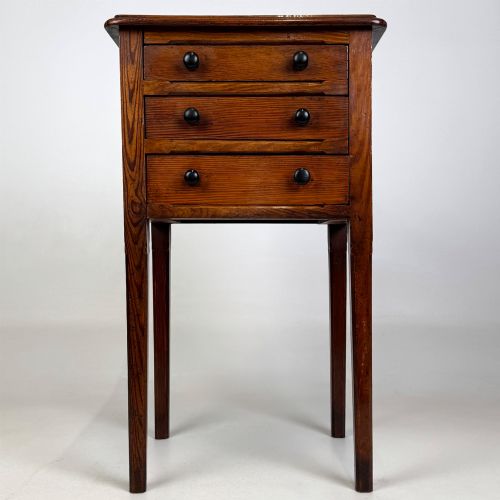
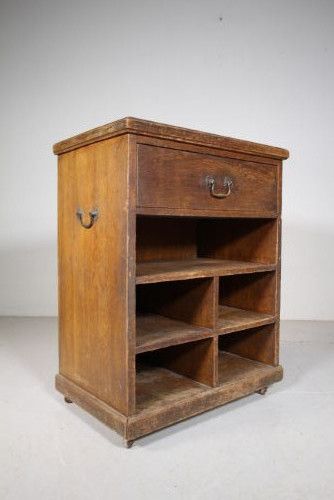
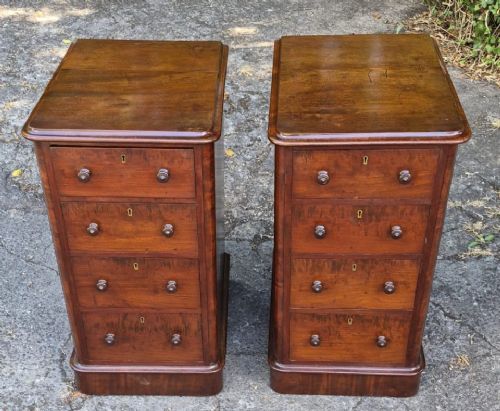
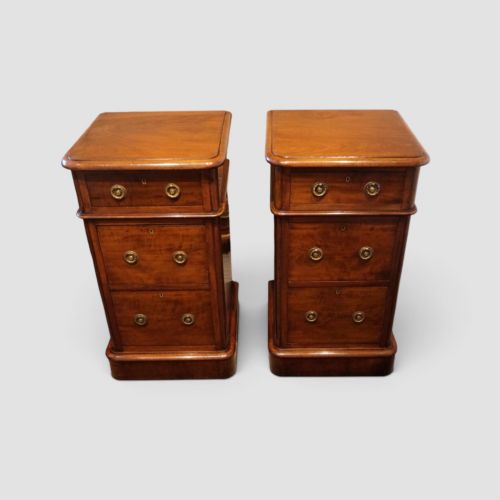
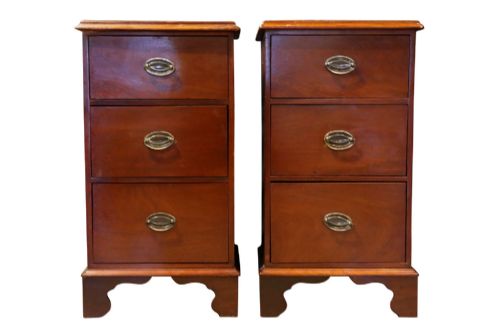
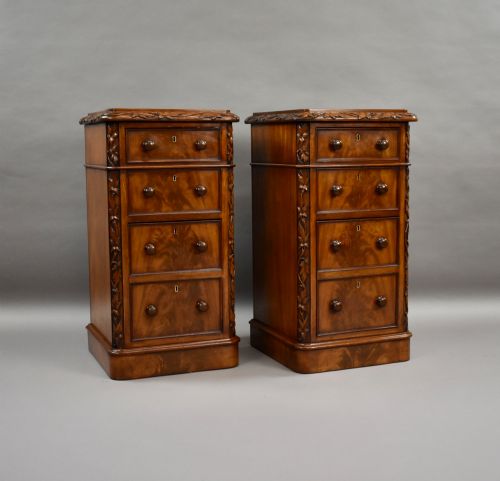
These 19th century bedside chests offer practical bedside storage while bringing period character and handsome timber grains to a bedroom.
19th Century Bedside Chests
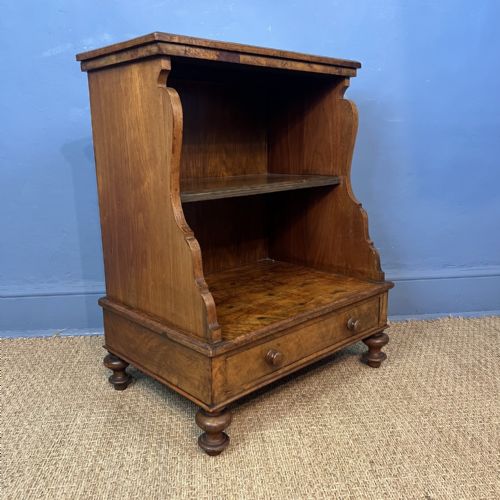
When you search for 19th century bedside chests, you encounter a diverse range of forms designed to hold nighttime necessities beside a bed. The selection includes dedicated bedside tables, small chests of drawers, commodes, and cupboards spanning the Victorian era and earlier decades.
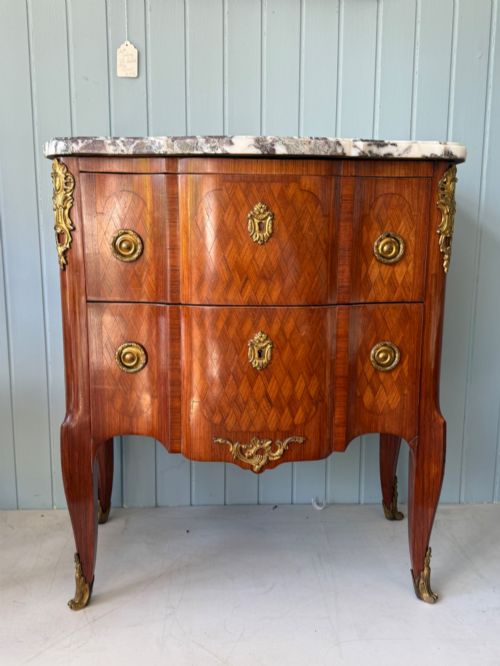
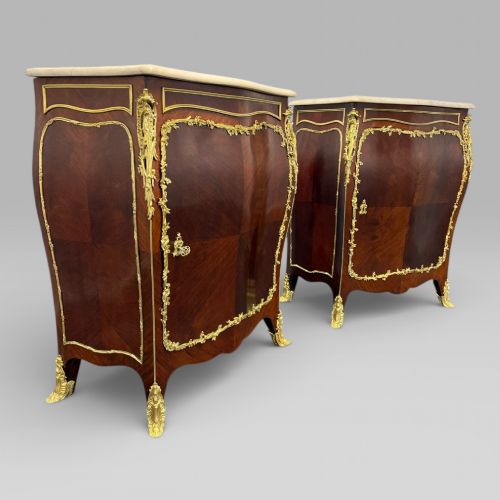
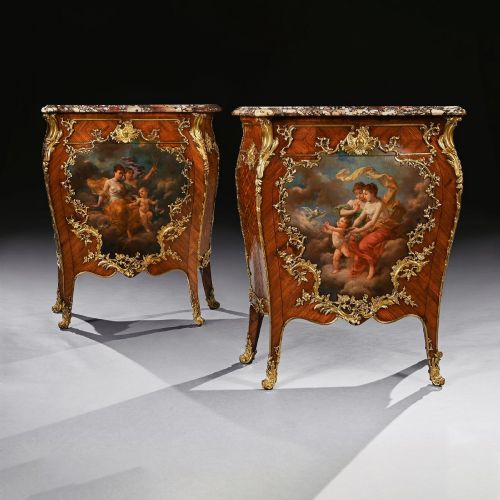
English examples frequently appear in sturdy mahogany, burr walnut, or oak, often following traditional proportions. French and continental pieces introduce distinct regional styles such as Louis XV and Louis XVI revivals, alongside painted Swedish finishes and bombe shapes.
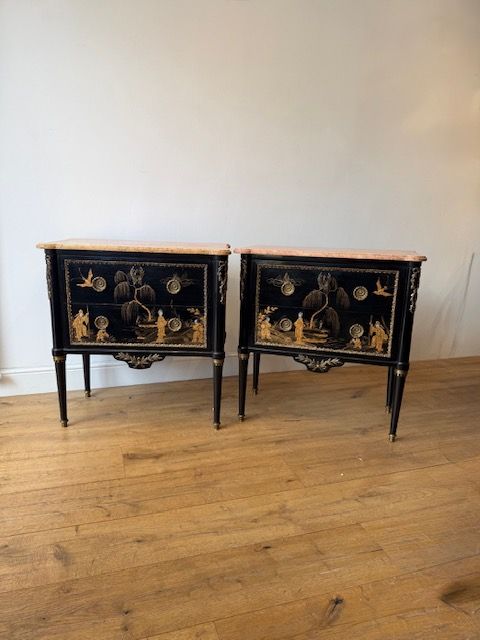
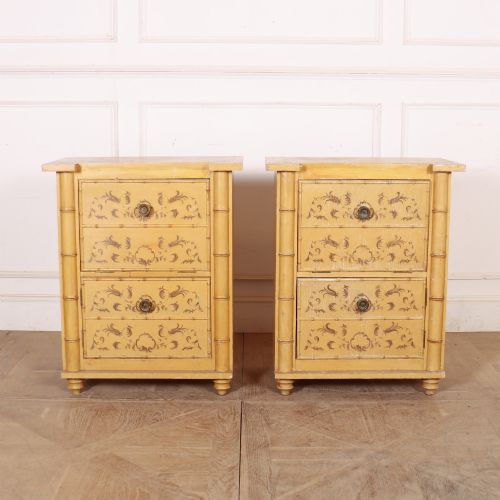
Many items survive as matching pairs, which suits symmetrical bedroom layouts. Smaller formats include compact nightstands, cabinets with single doors, and low chests equipped with multiple drawers for concealed storage.
Materials and construction
Cabinetmakers of the period relied on solid native hardwoods like mahogany, oak, and walnut, alongside decorative veneers such as kingwood and burr walnut. Secondary woods like pine appear in carcases and drawer linings.
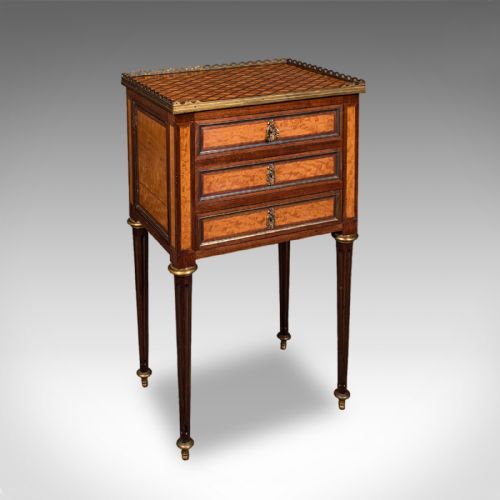
Surface ornamentation involved intricate parquetry, marquetry inlay, hand-painted finishes, and lacquering. Metal components typically consist of brass handles, ormolu mounts, or gilt bronze details.
Some Continental and French designs incorporated inset marble tops for durability, while others utilised faux bamboo turning or simulated painted wood effects to mimic higher-cost materials.
One clever nineteenth-century cabinetmaker decided that bamboo was simply not tropical enough, so he carved an entire bedside cupboard out of solid painted pine to look like the real plant.
What determines quality
The standard of a piece depends heavily on the selection of timber veneers and the precision of the cabinet joints. Finer examples display continuous grain matching across drawer fronts and tight dovetailing in the drawer construction.
The refinement of decorative mounts and hardware also separates standard utility pieces from high-end workshop output. Hand-chased ormolu, well-cast brass handles, and original marble tops indicate superior craftsmanship.
Proportion and scale dictate desirability, particularly for smaller bedroom furniture where neat dimensions are paramount. Alterations or later adaptations, such as chests converted from larger furniture, influence how closely an item matches its period origin.
E. Kahn
The 19th Century Bedside Chests Glossary
- Commode
- A low cabinet or chest of drawers, often of French origin, designed with decorative mounts or marquetry. These frequently feature marble tops and cabinet doors enclosing interior space.
- Bombe
- A swelling, convex shape characteristic of continental furniture styles, particularly French revival pieces. This rounded profile requires skilled veneer work to follow the curved contours.
- Parquetry
- Geometric patterns formed by fitting small pieces of wood veneer together on a surface. It appears frequently on French tables and cabinet doors from the period.
- Ormolu
- Gilded bronze mounts applied to furniture for decorative effect, commonly seen on French Empire and revival pieces. The metalwork is cast and chased to add crisp detail.
- Brushing slide
- A pull-out shelf integrated into the upper section of a chest, historically used for dusting clothes or placing items temporarily. It operates on wooden runners within the carcase.
19th Century Bedside Chests: Frequently Asked Questions
Were these always used as bedside tables?
Not all pieces designed as small chests or commodes originally stood beside a bed. Many served as small storage units, washstand bases, or dressing room cabinets before being repurposed for modern bedrooms.
Their compact dimensions and drawer configurations make them well-suited for holding books and reading glasses today.
How do I identify French pieces from English ones?
French examples often feature curved bombe profiles, marble tops, and elaborate ormolu mounts influenced by Louis revival styles. They utilise woods like kingwood, rosewood, and walnut with intricate parquetry.
English equivalents tend to rely on straight lines, solid mahogany or oak construction, and simpler brass handles suited to Victorian domestic interiors.
Are matching pairs common?
Matching pairs appear frequently among surviving bedroom furniture, reflecting the nineteenth-century preference for symmetrical bedroom decoration. These pairs may consist of twin chests of drawers or matching bedside cupboards.
Finding a matched set that has stayed together through generations remains a distinct advantage for furnishing a dual-sided bed setup.
How do I care for wood and marble surfaces?
Polishing wooden surfaces with traditional beeswax helps maintain the timber's natural lustre and protects the grain from drying out. Avoid placing wet items directly on antique wood to prevent ring marks.
Marble tops require simple wiping with a damp cloth and mild soap, avoiding acidic cleaners that can etch the polished stone surface.