

19th Century Bedroom Chair
A 19th century bedroom chair brings domestic comfort and period charm to private chambers, offering low seating designed for dressing or resting.
19th Century Bedroom Chair
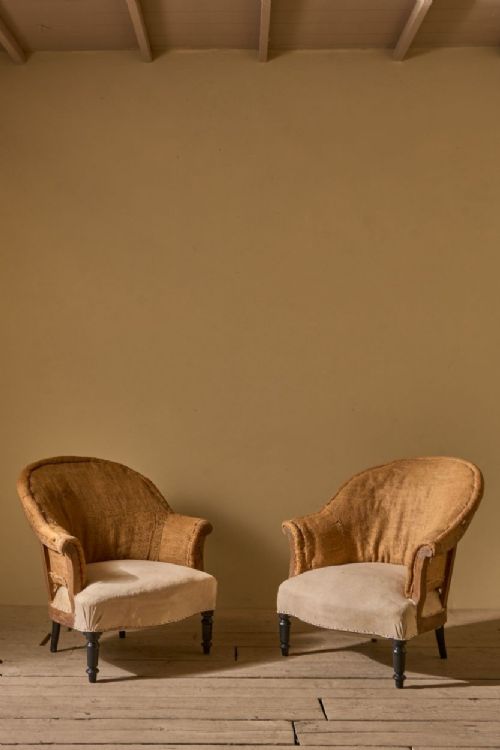
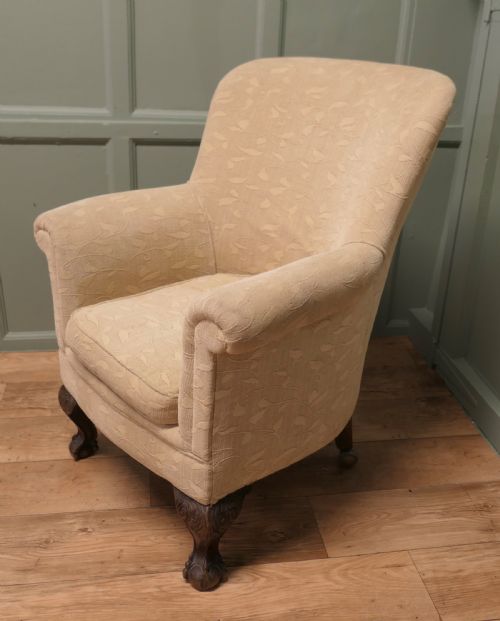
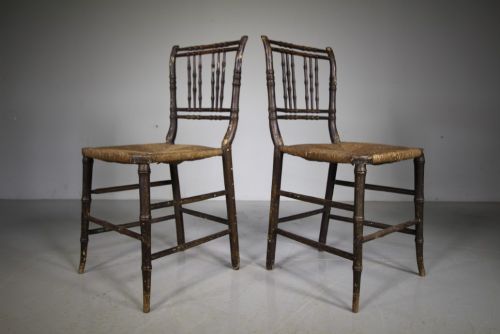
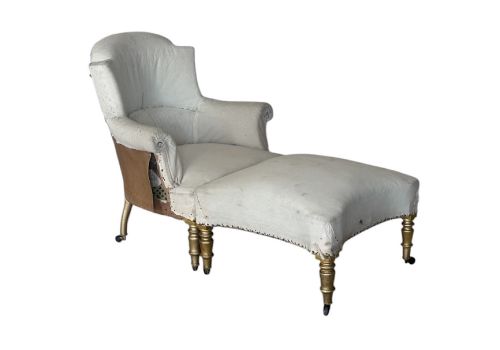
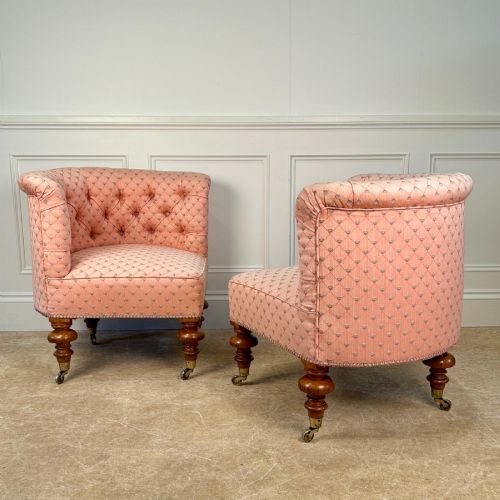
A 19th century bedroom chair encompasses a diverse group of low seating forms designed for private quarters, including nursing chairs, slipper chairs, and low armchairs. These pieces emerged from periods spanning Regency, Victorian, and French styles, reflecting changing domestic habits.
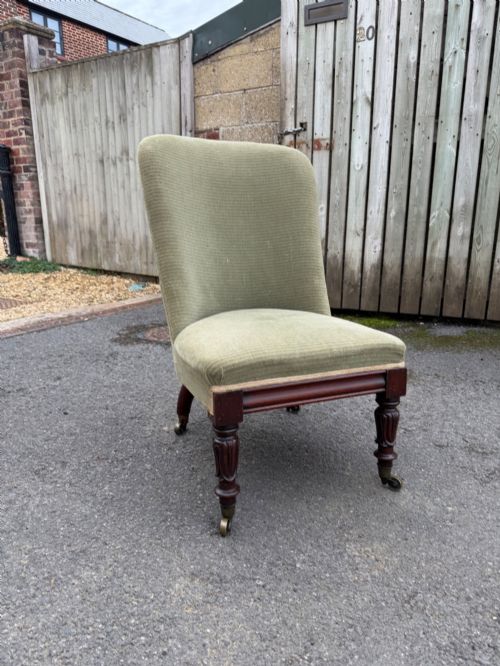
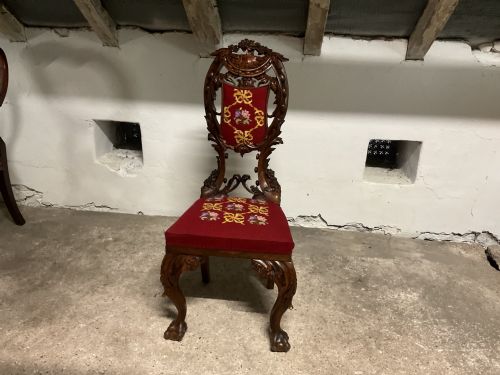
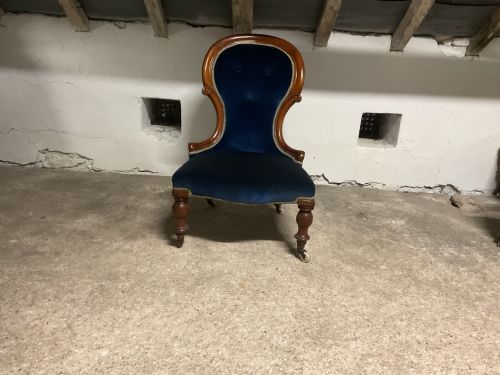
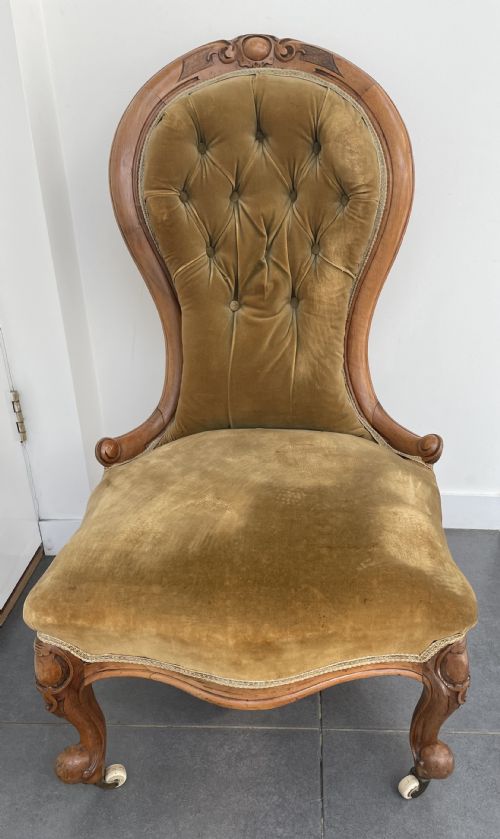
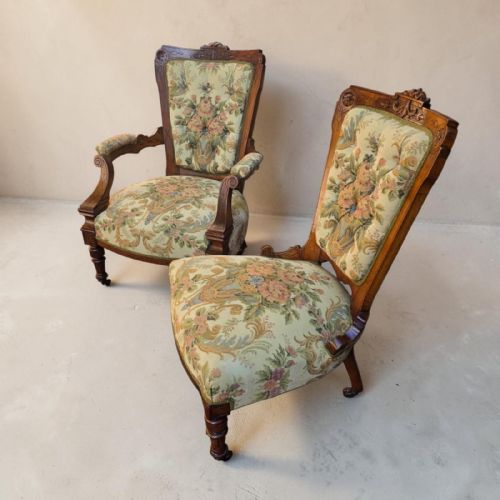
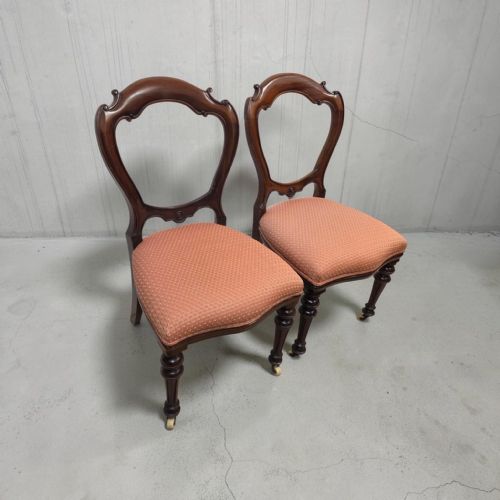
The most frequent examples found on this page are Victorian walnut or mahogany nursing chairs, often featuring low seats and spoon or balloon backs. Alongside these, French designs and occasional chairs appear frequently, constructed from woods like rosewood, oak, and maple.
Makers adapted these forms for specific domestic tasks, such as tending infants or dressing, which accounts for the characteristic low stature. Surviving examples demonstrate how private spaces received the same stylistic attention as formal reception rooms.
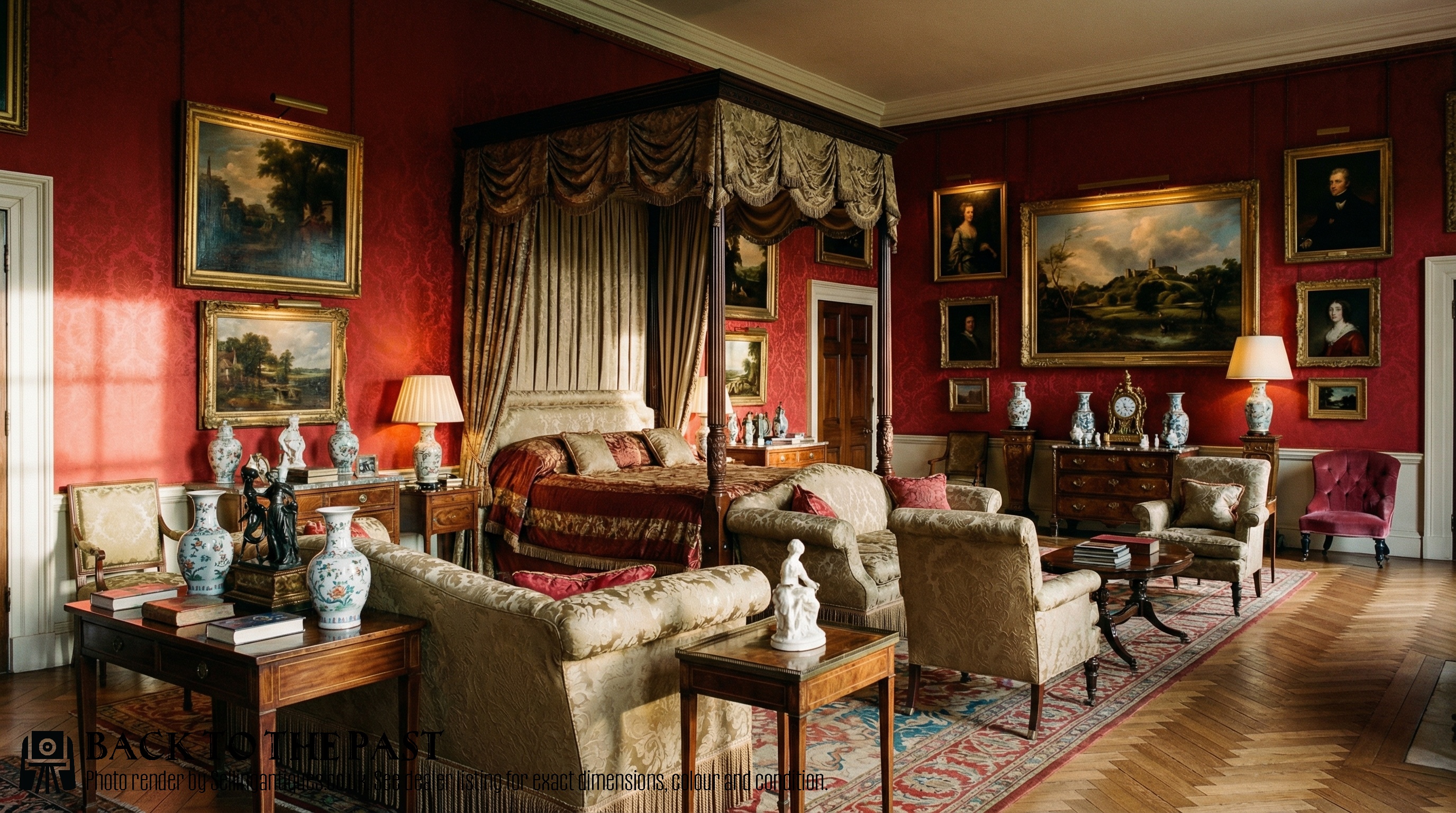
Materials and construction
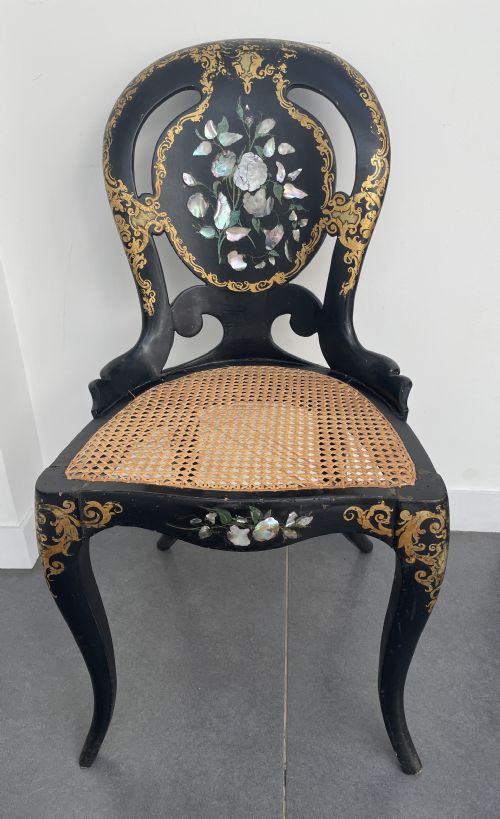
Cabinetmakers utilised hardwoods such as mahogany, walnut, oak, and rosewood for the structural frames, often shaping them with carved details or scroll backs. Certain pieces incorporate exotic elements like bird's eye maple, mother-of-pearl inlay, or giltwood finishes.
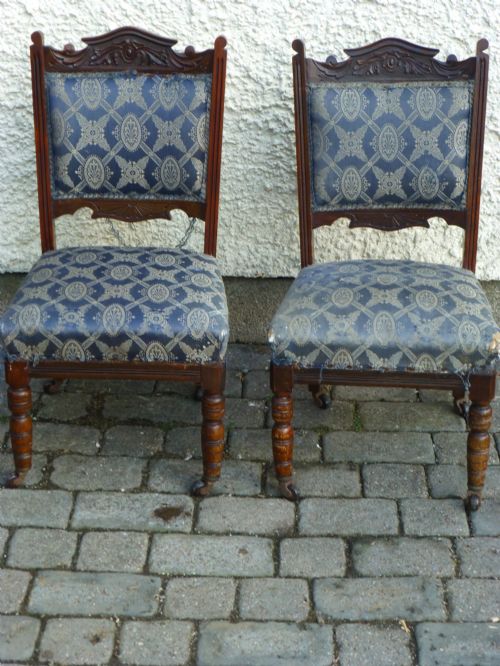
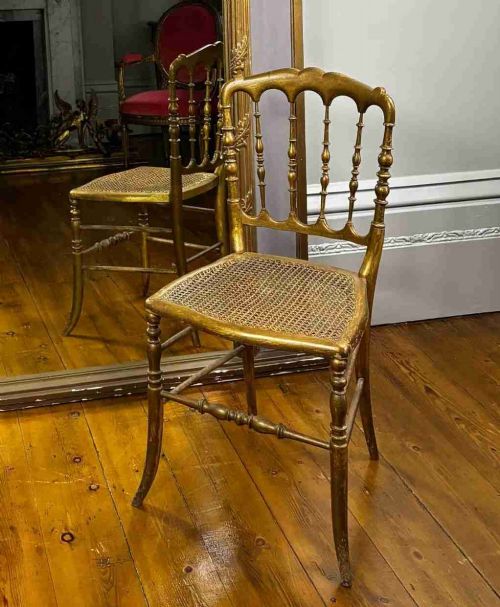
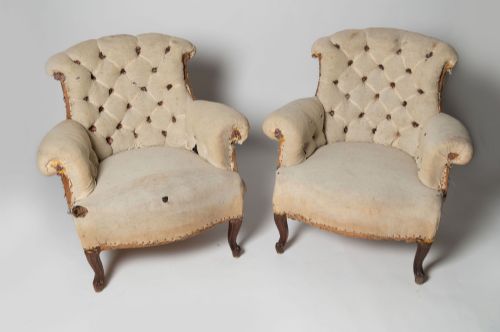
Upholstery forms a core component of construction, employing fabric, velvet, tapestry, and fringe supported by traditional stuffing methods. Alternatively, chairs often utilise woven cane seats supported by wooden frames, brass mounts, or ebonised woodwork.
19th Century Bedroom Chair Retail Price Guide 2026
Typical asking prices for 19th century bedroom chair among the pieces listed under this phrase on Sellingantiques today, from the lower quarter to the upper quarter. They describe what is for sale here now, not the wider market.
Some chairs incorporate hidden castors so ladies could glide across the floor without disturbing their heavy skirts.
Distinctions in quality
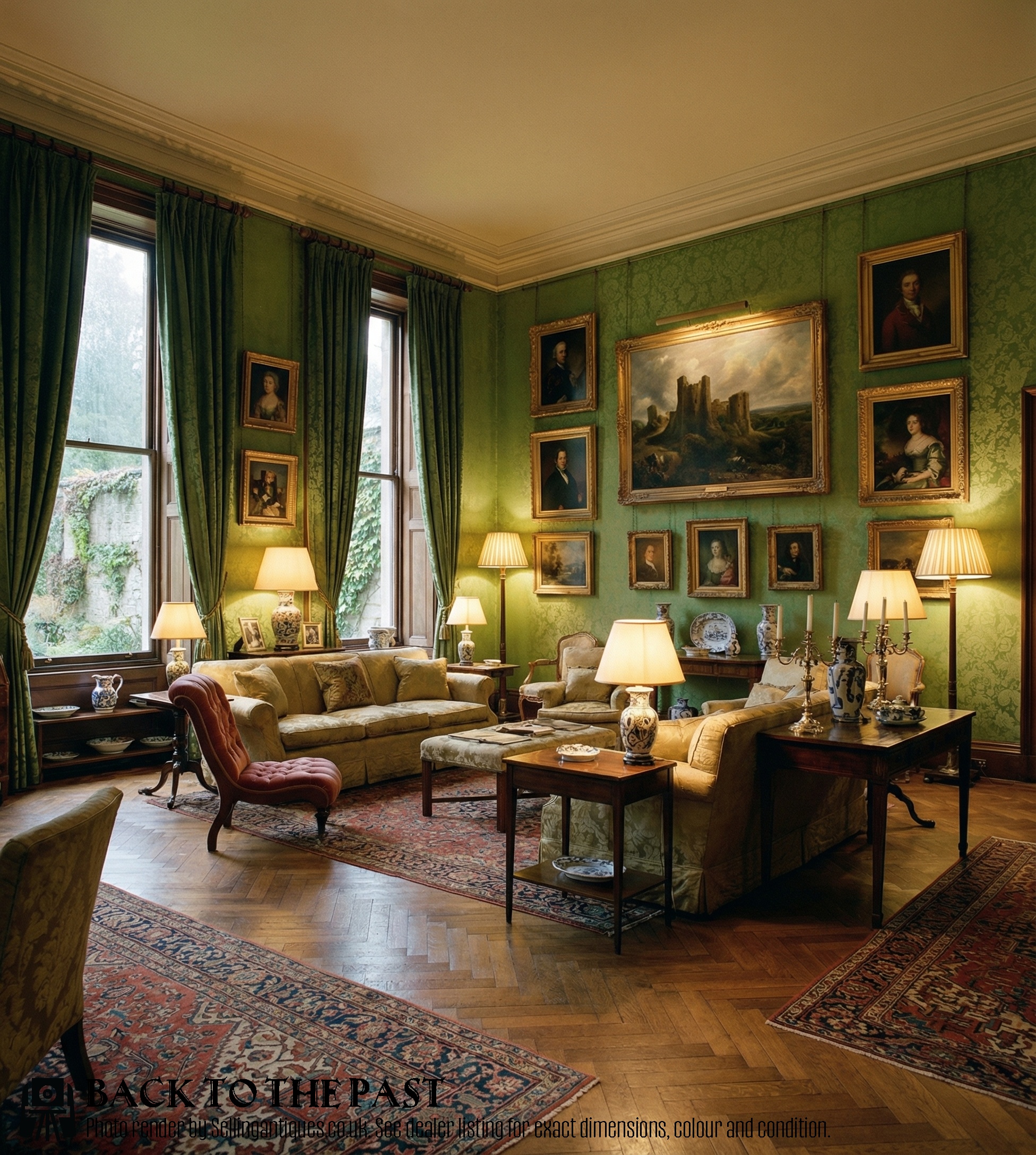
Quality rests upon the crispness of timber carving, the integrity of the frame construction, and the selection of cabinet woods. Pieces displaying intricate mother-of-pearl inlay, ormolu mounts, or maker stamps indicate higher workshop standards.
The survival of original surfaces, such as early paint, patinated mahogany, or period upholstery fabrics, elevates the standing of an individual piece. Proportion and structural balance also distinguish standard production items from finer salon examples.
Gillows·Howard and Sons
The 19th Century Bedroom Chair Glossary
- Nursing chair
- A low-seated chair designed in the Victorian era to assist women with infant care and dressing. They usually lack arms to accommodate voluminous period garments.
- Slipper chair
- An upholstered chair standing low to the floor, traditionally kept in a bedroom or dressing room for putting on footwear. These items feature sprung seats and compact frames.
- Balloon back
- A rounded, oval-shaped wooden chair back popular during the mid-Victorian period. This form mimics the curve of a hot-air balloon and appears frequently on walnut and mahogany seating.
- Caning
- A technique of weaving thin strips of rattan plant material to form seats or backs. It provides a lightweight, resilient surface seen on Regency and French style chairs.
- Prie Dieu
- A devotional chair featuring a low seat and an elevated, padded top rail designed for kneeling and praying. These pieces date predominantly to the Victorian period in walnut or rosewood.
19th Century Bedroom Chair: Frequently Asked Questions
What distinguishes a nursing chair from a standard side chair?
Nursing chairs sit noticeably lower to the floor than standard dining or side chairs. This reduced height allowed women to tend to children and garments with greater ease.
Additionally, these chairs frequently omit armrests to accommodate the wide crinolines and skirts worn during the Victorian period.
How do I identify a Regency period chair?
Regency chairs often display classical revival motifs, such as sabre legs, lyre backs, and ebonised finishes with gilt highlights. The lines tend to draw inspiration from ancient Greek and Roman forms.
Mahogany and painted pine also feature prominently in pieces produced during this early phase.
Where should I place a bedroom chair in a modern home?
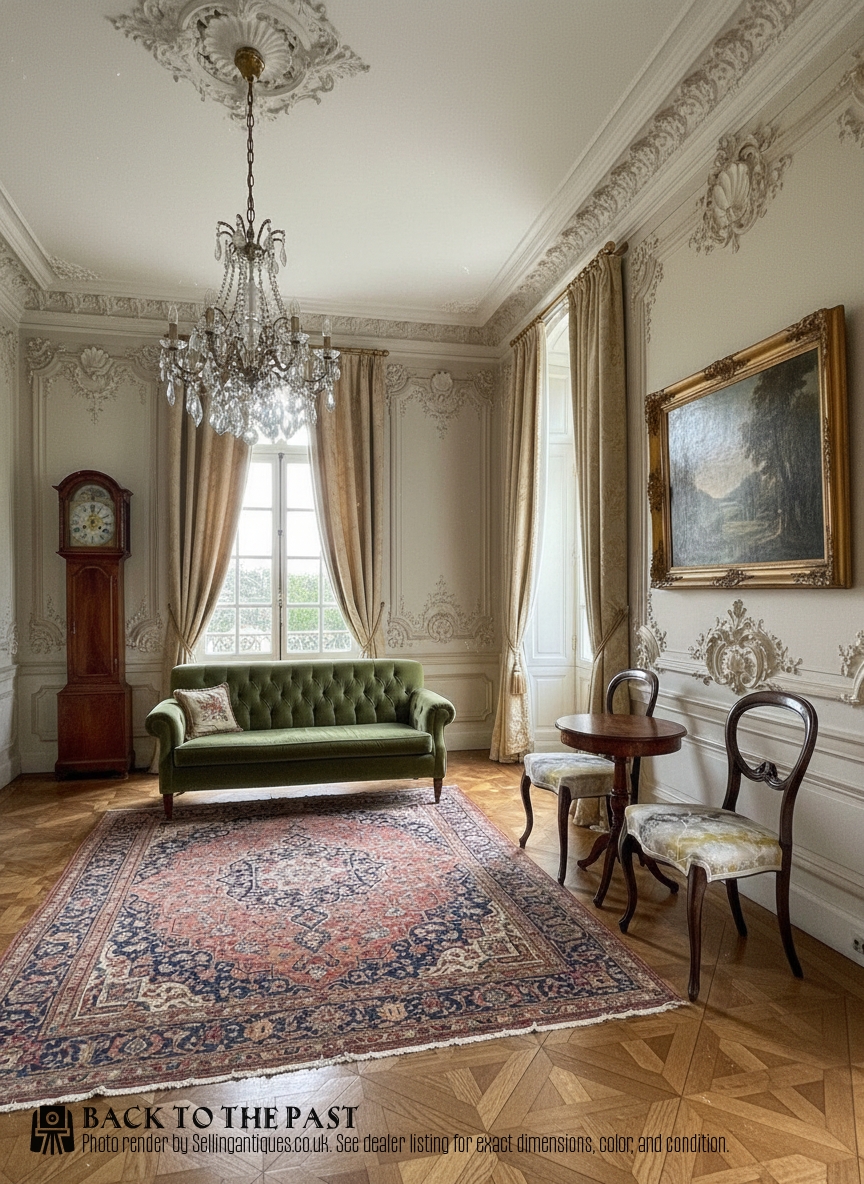
These compact chairs suit corners of contemporary bedrooms, dressing rooms, or reading nooks where floor space is limited. Their low profiles prevent them from dominating a room.
They also function effectively as occasional seating in living areas or hallways.
Are these chairs suitable for daily use?
Many surviving pieces retain sturdy wooden frames that withstand regular sitting. However, older upholstery webbing and internal padding may require professional restoration for everyday comfort.
Buyers should assess the structural condition of the frame and joints before putting a piece into heavy service.