



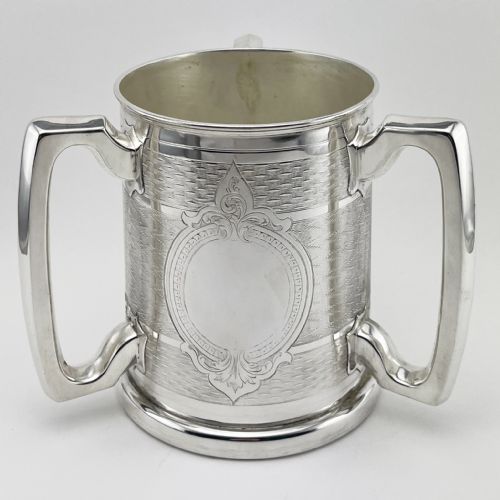


19th Century Barware
These pieces of 19th century barware bring period craftsmanship to the table with decanters, coolers, and crystal sets.
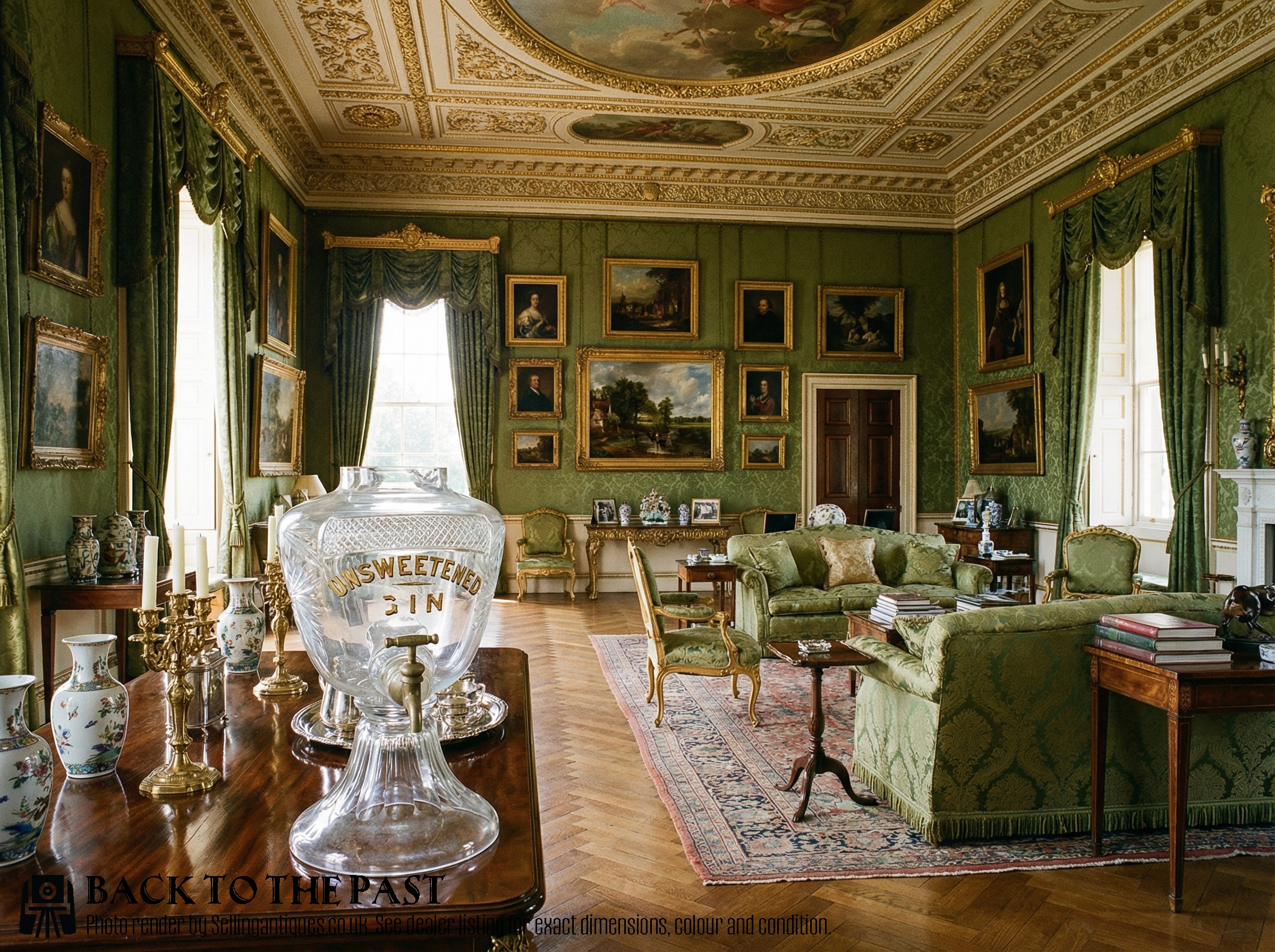
Materials and construction
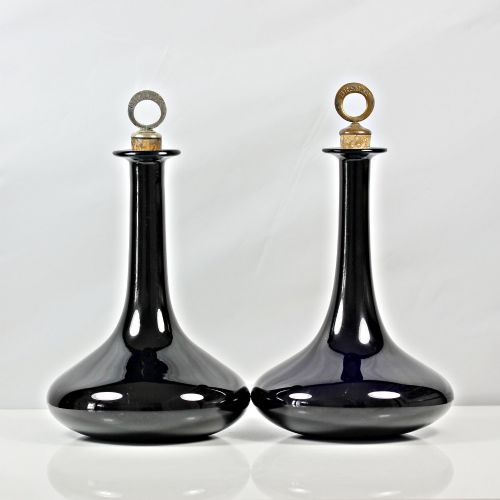
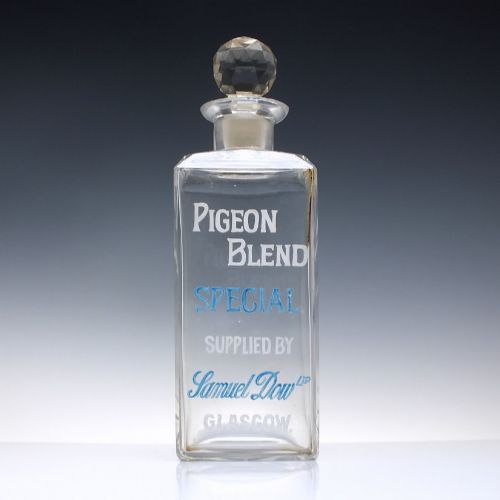
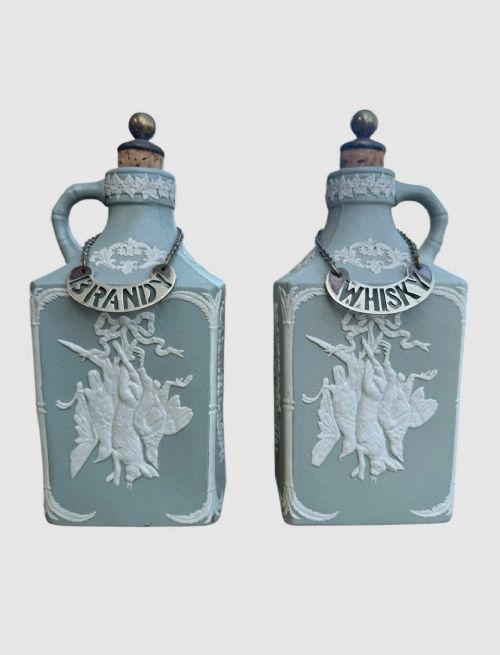
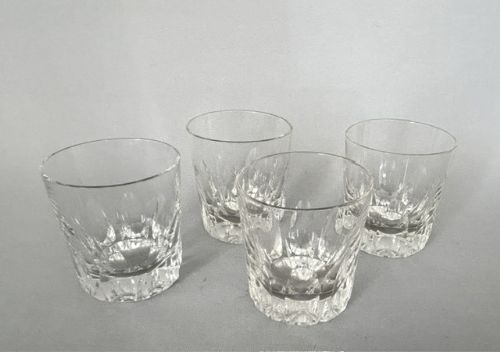
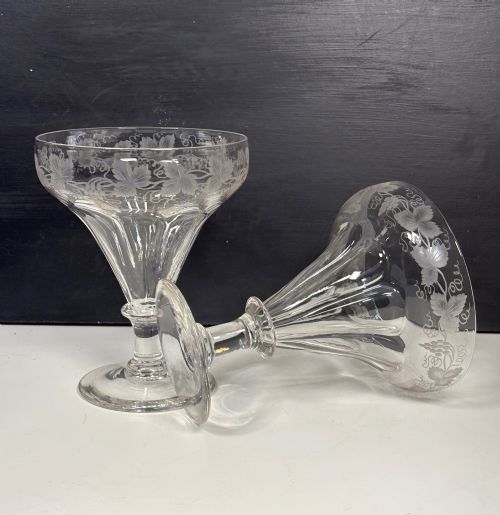
Makers utilised lead crystal, cut glass, and standard glass for vessels, shaping them through blowing, moulding, and wheel-cutting to achieve optical clarity and tactile surfaces. Engraved and enamelled details appear frequently on decanters and spirit flagons.
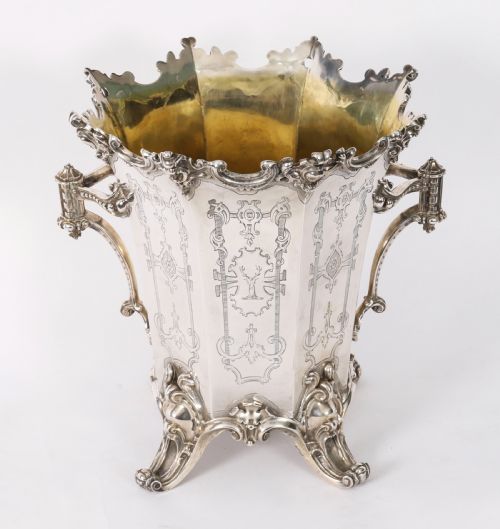
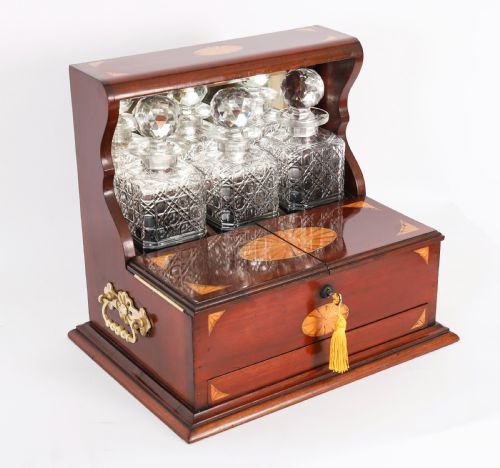
Metal components rely on silver plate, brass, and sterling silver, often combined with timber frames such as mahogany, satin wood, walnut, or treen. Silver-plated mounts secure glass barrels and flagons, while wooden cellarettes and tantalus frames incorporate locking mechanisms.
Judging the standard
The distinction between ordinary and superior pieces rests on the depth and crispness of glass cutting, the weight of the crystal, and the integrity of mounts. Hand-engraved motifs and heavy silver plating indicate higher production standards.
Completeness alters the character of sets, particularly in matched groups of decanters, glasses, or fitted liqueur boxes with original stoppers and keys. The precision of cabinet work in wood-inlaid tantaluses and cellarettes demonstrates the maker's skill.
The listings incorporate lead crystal, silver plate, and inlaid mahogany across Georgian, Regency, and Victorian periods.
Elkington, Mason & Co·Rupert Favell & Co·John & Thomas Settle·Aleksandr Timofeyevich Shevyakov
The 19th Century Barware Glossary
- Tantalus
- A locked wooden frame holding decanters to prevent unauthorized access to the spirits within. It typically exposes the stoppers while locking them in place.
- Cellarette
- A lockable container or cabinet used for storing bottles of wine and spirits near the dining table. They frequently feature fitted wooden interiors.
- Toddy lifter
- A small glass vessel used for transferring hot toddy from a punch bowl to a drinking glass by means of suction. Collectors prize them for their delicate blown forms.
- Negus strainer
- A perforated utensil used for straining spiced wine drinks, often fashioned from treen or silver. It rests across the rim of a glass or jug.
- Cave a liqueur
- A fitted box containing a set of liqueur decanters and small glasses, often veneered in exotic woods. They originate from French and continental makers.
19th Century Barware: Frequently Asked Questions
What is a tantalus?
A tantalus is a locked wooden frame designed to hold decanters securely while displaying their contents. The locking mechanism prevents servants or guests from pouring drinks without permission.
These pieces typically feature brass handles and inlaid wood such as satinwood or walnut. They became popular in the later Victorian period for home entertaining.
How do I use an antique decanter?
Antique decanters serve to aerate wine and present spirits such as whisky or rum at the table. Their ground glass stoppers help preserve the contents during storage.
Careful hand washing preserves the clarity of the lead crystal and protects any engraved or enamelled decoration. Avoid sudden temperature changes to prevent cracking the old glass.
What is a cellarette used for?
A cellarette stores wine bottles and decanters safely within a dedicated container near the dining area. Nineteenth-century examples often stand on feet or incorporate fitted interior dividers.
Mahogany and other dense timbers protect the bottles from light and temperature fluctuations. They function as both furniture and practical bar storage.
How do I date cut glass?
Early nineteenth-century glass often exhibits deep, sharp cutting with heavy lead content and pontil marks on the base. Later Victorian pieces lean toward machine-finished regularity and lighter weights.
Examining the stopper fit and the style of the facet cuts helps distinguish Georgian work from later Victorian production. Etched lettering and armorial crests also offer clues to the exact period.