



Antique Glass Decanter Dispenser
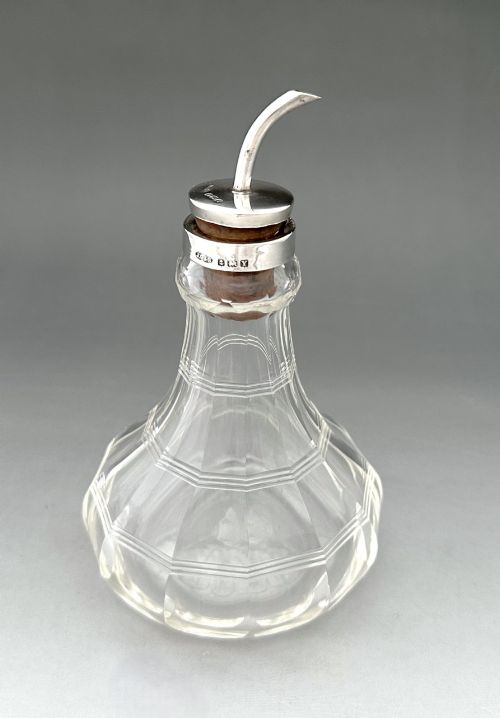
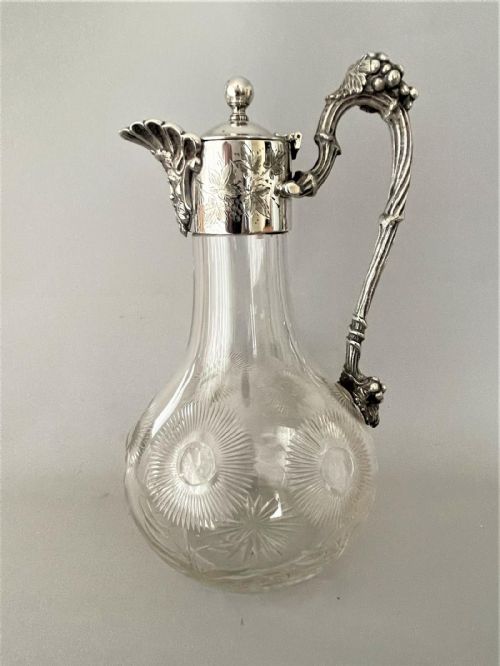
An antique glass decanter dispenser delivers spirits and wines with period weight, combining heavy cut glass with functional brass, silver plate, or sterling mounts.
Antique Glass Decanter Dispenser
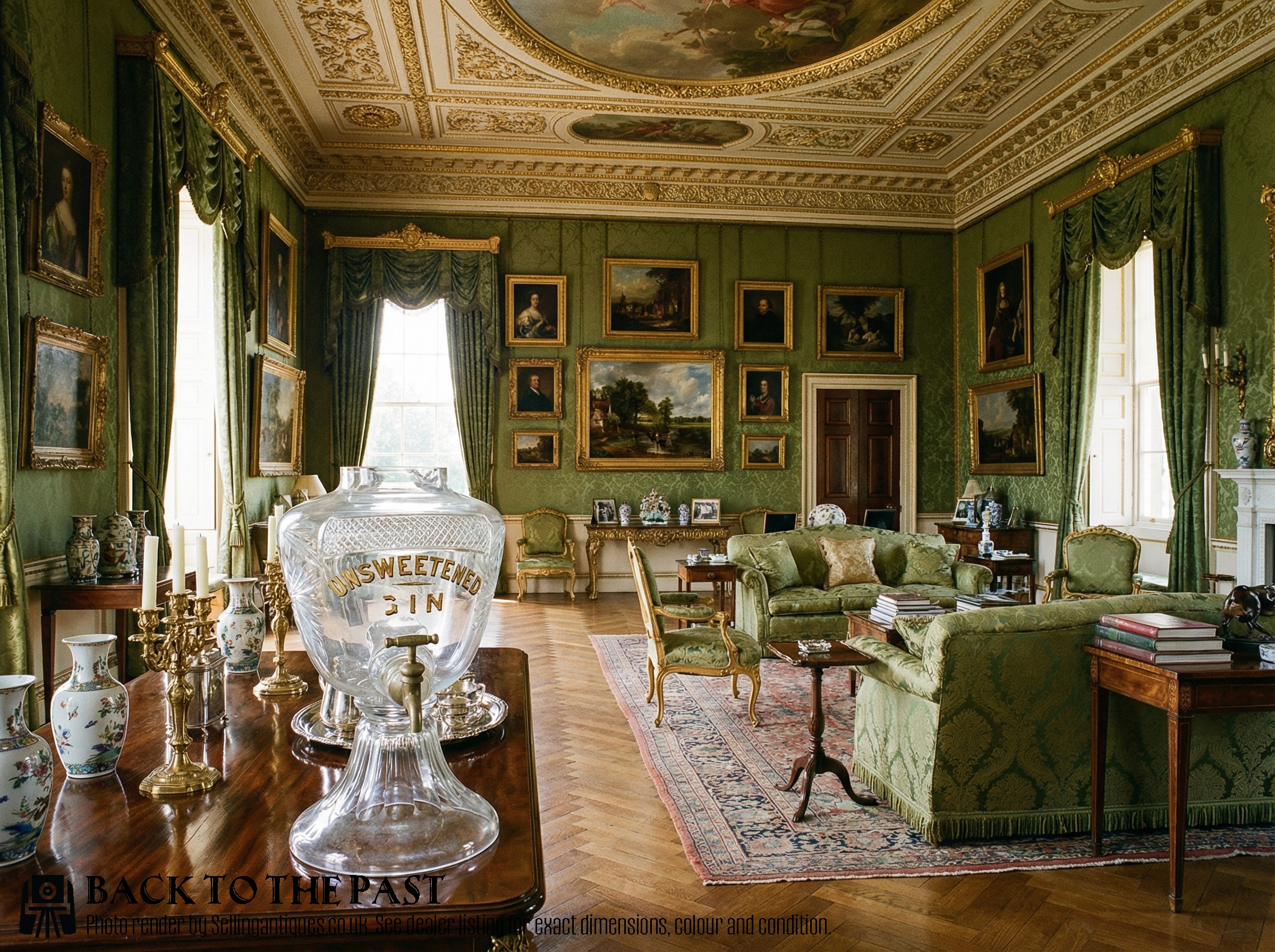
An antique glass decanter dispenser serves as a functional vessel for serving wine, whisky, brandy, gin, or oil and vinegar at the table or bar. These pieces range from simple glass spirit barrels and noggins to elaborate table fountains and cruet sets.
The selection here includes Victorian cut crystal barrels, Edwardian silver-mounted noggins, and Art Nouveau engraved carafes. Buyers commonly encounter silver-plated frames holding frosted crystal vessels alongside robust nineteenth-century bar dispensers.
Origins span the nineteenth and early twentieth centuries, capturing Victorian dining habits, Edwardian hospitality, and Art Deco design preferences. Each item reflects the specific social rituals of its decade, from pub bar counters to private dining rooms.
How they were made
Makers shaped heavy glass vessels through cutting, engraving, and moulding to create clear or frosted finishes. Artisans combined these glass bodies with silver plate, sterling silver, brass, or wrought iron mountings.
Hardware components such as taps, stands, and collars utilised cork seals and gilt bronze fixings. Gold leaf details and precise metal mounts secured the glass barrels and jugs to their stands.
Antique Glass Decanter Dispenser Retail Price Guide 2026
Typical asking prices for glass decanter dispenser among the pieces listed under this phrase on Sellingantiques today, from the lower quarter to the upper quarter. They describe what is for sale here now, not the wider market.
One listed brandy fountain once served Benskins Brewery in Watford, proving that nineteenth-century drinkers took their spirits on a grand scale.
What varies in quality
The clarity and depth of the cut glass distinguish standard production items from finer table service pieces. Crisp wheel engraving and substantial metalwork indicate higher original workshop standards.
The integration between the glass body and its metal mounts dictates overall structural integrity. Heavy sterling silver or gilt bronze fittings combined with thick, unblemished crystal represent the upper tier of surviving examples.
The Antique Glass Decanter Dispenser Glossary
- Decanter dispenser
- A vessel designed to hold and pour liquids such as wine, whisky, or gin. These items often incorporate taps or stands for ease of service.
- Noggin
- A small mug or vessel used for measuring and serving spirits. These typically feature silver mounts and handle fittings.
- Claret jug
- A pourer specifically intended for red wine, combining a glass body with a hinged metal lid and handle. Silver plate and cut glass are common materials.
- Cruet set
- A matched group of small bottles or dispensers used for condiments such as oil and vinegar. These sit within a dedicated frame.
- Spirit barrel
- A horizontal cylindrical glass vessel used for dispensing liquor. They frequently rest on fitted stands with integrated taps.
Antique Glass Decanter Dispenser: Frequently Asked Questions
What is a whisky noggin?
A whisky noggin is a small drinking vessel or decanter fitted with a handle and silver mount, designed for individual spirit portions. They date predominantly to the Edwardian period.
These pieces were kept close at hand in studies or smoking rooms for personal use rather than large dinner service.
How do spirit barrels work?
Spirit barrels are horizontal glass containers mounted on stands, featuring a small tap at one end for pouring liquor directly into glasses. They were used both in domestic settings and commercial bars.
Cork seals and tight metal spigots kept the contents secure between pours.
Can I use these dispensers for serving drinks?
Many antique dispensers remain functional if the seals, corks, and taps are intact and clean. Careful hand washing protects the historic glass and metal components.
Checking the internal condition of the glass and the fitting of the tap ensures safe daily use.
How do I date an antique glass dispenser?
Dating relies on stylistic markers such as Victorian cut crystal patterns, Art Nouveau wrought iron work, or Edwardian silver hallmarks. Metal mounts and mounting styles provide clear chronological clues.
Comparative study of nineteenth and early twentieth-century barware helps narrow the decade of manufacture.