


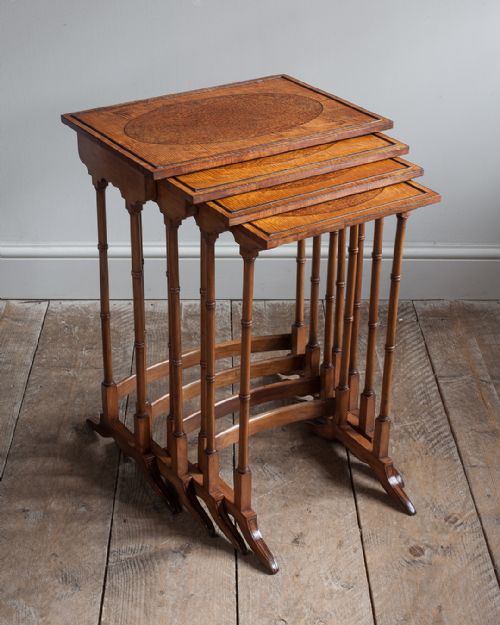

19th Century Bamboo Table
A 19th century bamboo table brings lightweight utility and exotic Victorian character into a modern interior.
What a 19th century bamboo table is
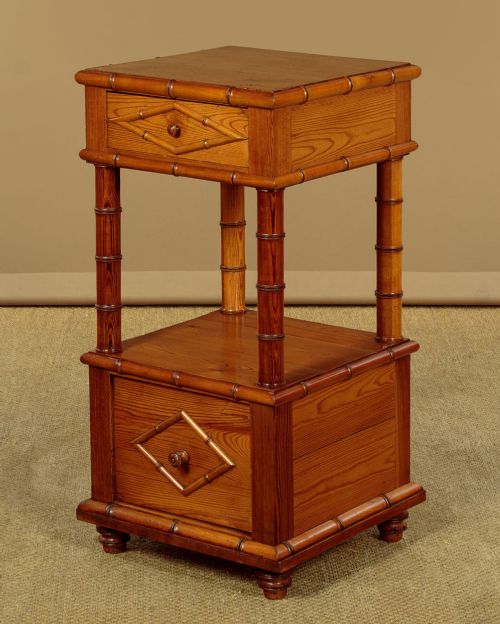
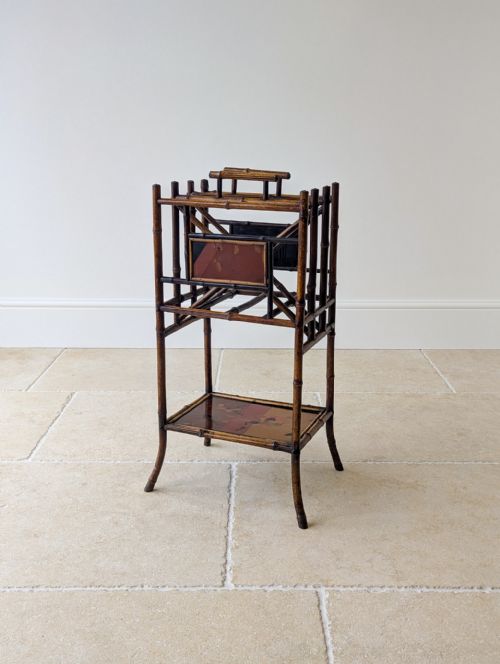
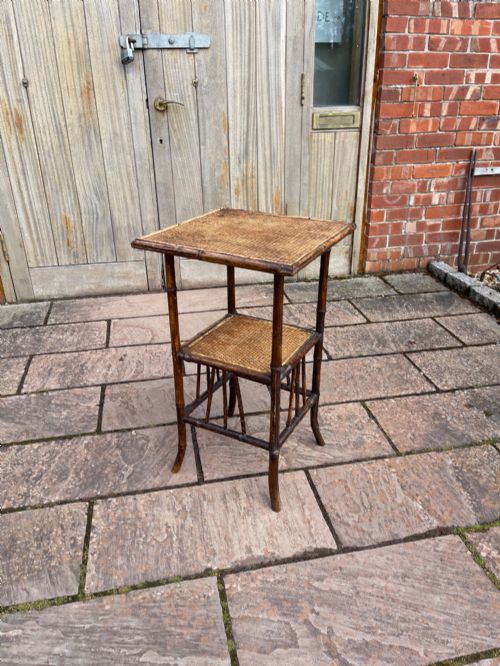
A 19th century bamboo table covers a variety of occasional, side, and lamp furniture pieces produced during the Victorian era and the Aesthetic Movement. These examples range from simple English side tables to more elaborate forms featuring magazine racks, writing surfaces, and two tiers.
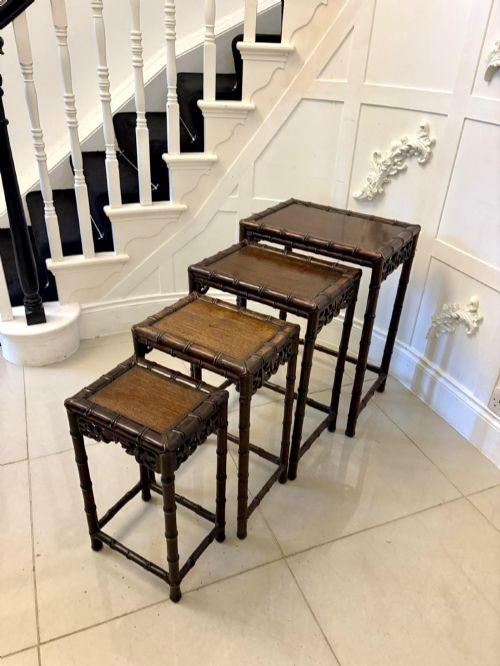
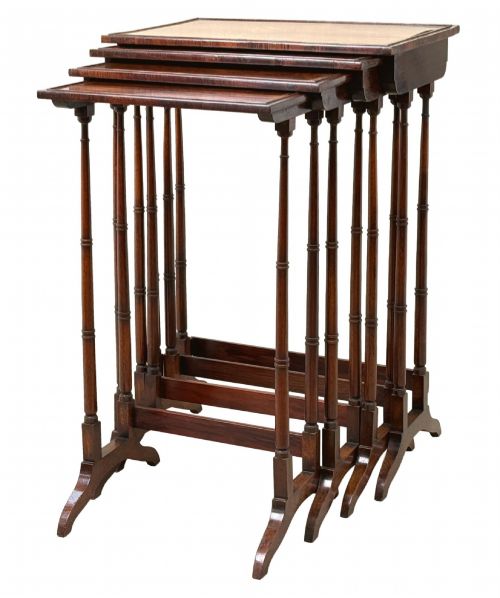
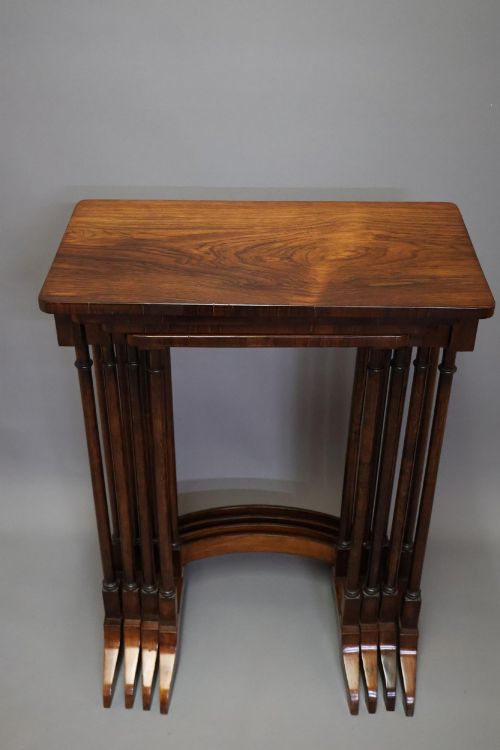
Buyers frequently encounter oriental and Far Eastern influences alongside English designs in this category. The selection encompasses standard occasional surfaces as well as specialised sewing tables, writing desks, and nesting sets.
Materials and construction
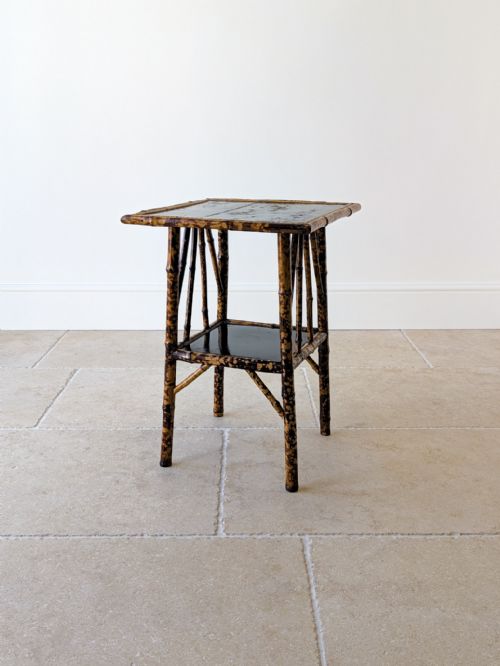
The construction relies primarily on natural bamboo, often complemented by wood, woven cane, and ceramic inserts such as tiled tops. Artisans also utilised lacquer and decoupage techniques to decorate the surfaces, alongside hand-painted tiger bamboo variations.
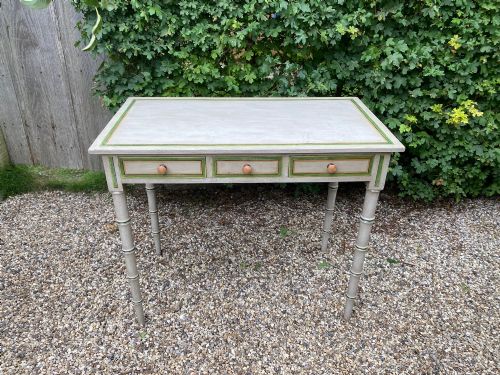
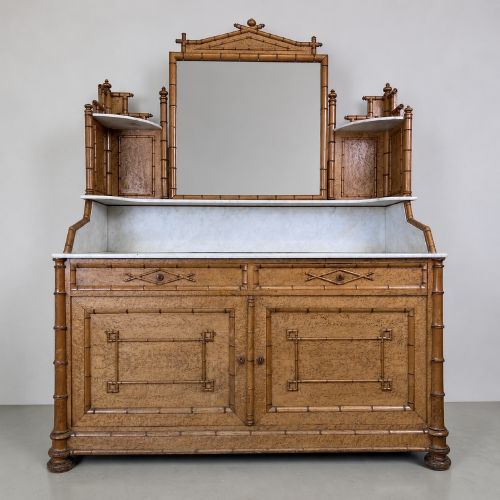
Some pieces incorporate ebonised finishes or carved faux bamboo elements shaped from alternative timbers. Joinery methods of the period secured the hollow bamboo stalks into stable frames suitable for everyday household use.
Retail Price Guide 2026
Typical UK retail prices for 19th century bamboo table, calculated from the Sellingantiques database of over a million retail prices indexed since 2003. This retail price guide relies exclusively on Sellingantiques data; no external sources or auction records are used, so the figures do not describe the wider market.
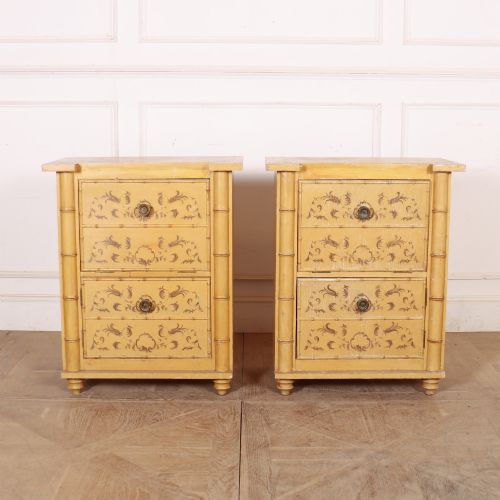
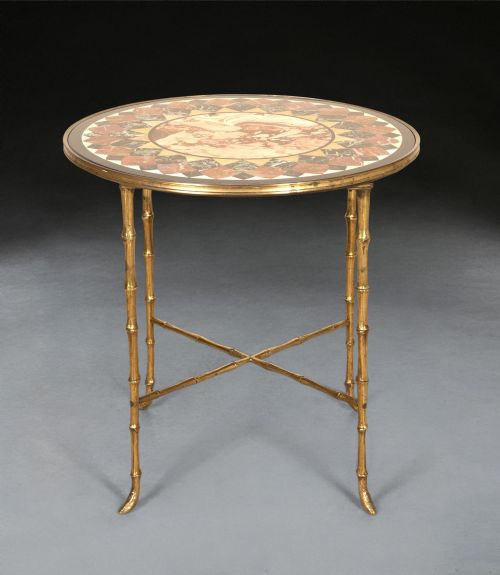
Listings feature 19th century bamboo tables incorporating lacquer, ceramic tiles, and woven cane across side, lamp, and writing formats.
Distinctions in quality
The integration of decorative panels, whether ceramic tiles or detailed oriental lacquerwork, separates standard utility pieces from more ambitious Aesthetic Movement designs. The condition of the natural cane work and the stability of the bamboo frame also influence the overall standard.
The 19th Century Bamboo Table Glossary
- Tiger bamboo
- A patterned variety of bamboo displaying mottled or spotted markings naturally occurring on the stalk. This distinct figuring was highly prized by Victorian makers for decorative effect.
- Aesthetic Movement
- A late 19th century design philosophy that emphasised visual and artistic qualities over traditional moral or narrative content in furnishings. It heavily influenced the production of bamboo and lacquer furniture.
- Occasional table
- A small, movable table designed for a specific, intermittent use within a room such as holding a lamp or book. These pieces form a large portion of surviving bamboo furniture.
- Ebonised
- Wood or bamboo treated with a dark finish to imitate expensive ebony wood. This treatment was common in Victorian furniture to create high-contrast decorative schemes.
Frequently Asked Questions
How do I date a bamboo table?
Dating relies on stylistic clues like Aesthetic Movement motifs and recorded construction periods spanning the Victorian era.
Examining the joinery and accompanying materials such as lacquer or ceramic tiles helps narrow the decade of manufacture.
Were these tables made in England?
Makers in England produced many of these pieces, often adopting oriental styles popular during the late 19th century.
Imported Far Eastern examples also appeared frequently in British homes during the same period.
Can I use a bamboo table daily?
These pieces served as functional household furniture originally and handle light everyday use well.
Placing them away from excessive moisture and direct heat preserves the natural cane and lacquer surfaces.