



19th Century Art Nouveau Sculpture
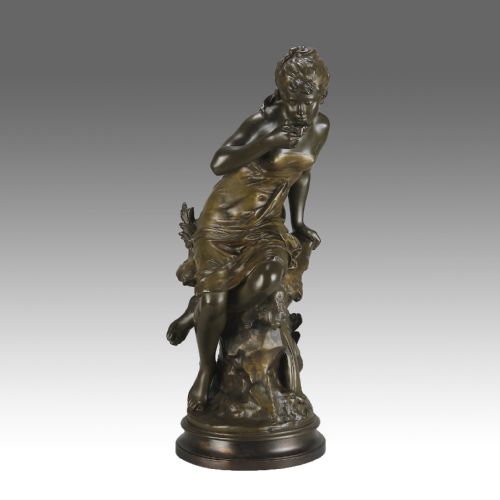
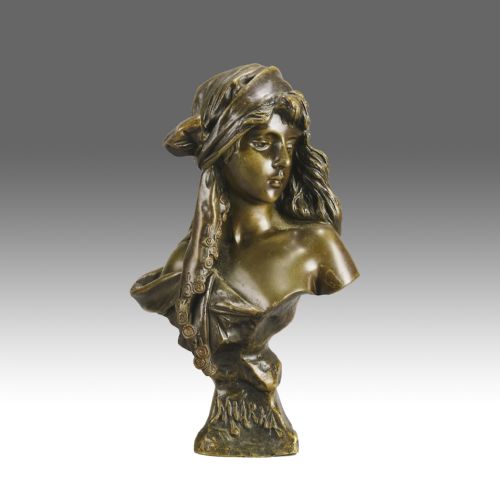
These pieces of 19th century art nouveau sculpture capture fluid organic lines and classical mythological figures designed to transform domestic interiors.
19th Century Art Nouveau Sculpture
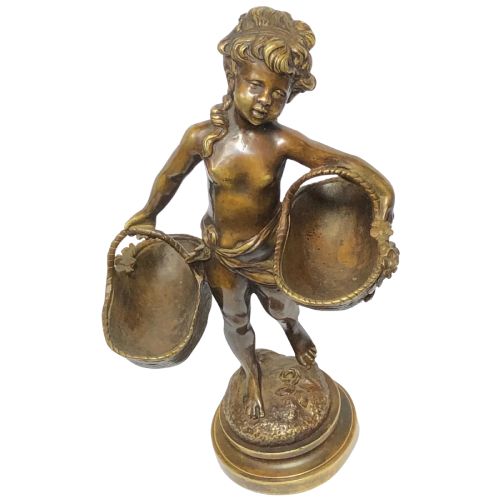
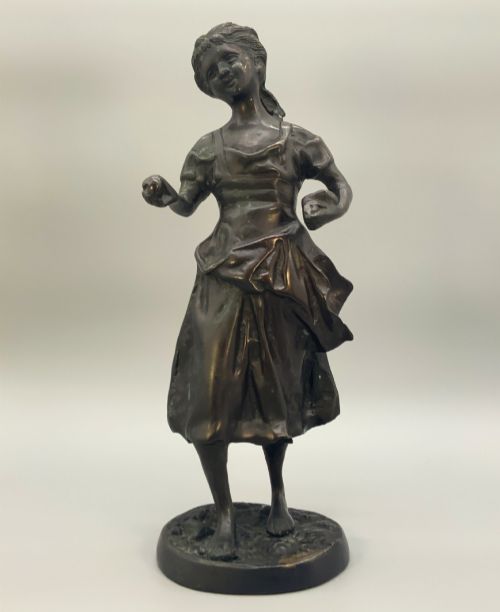
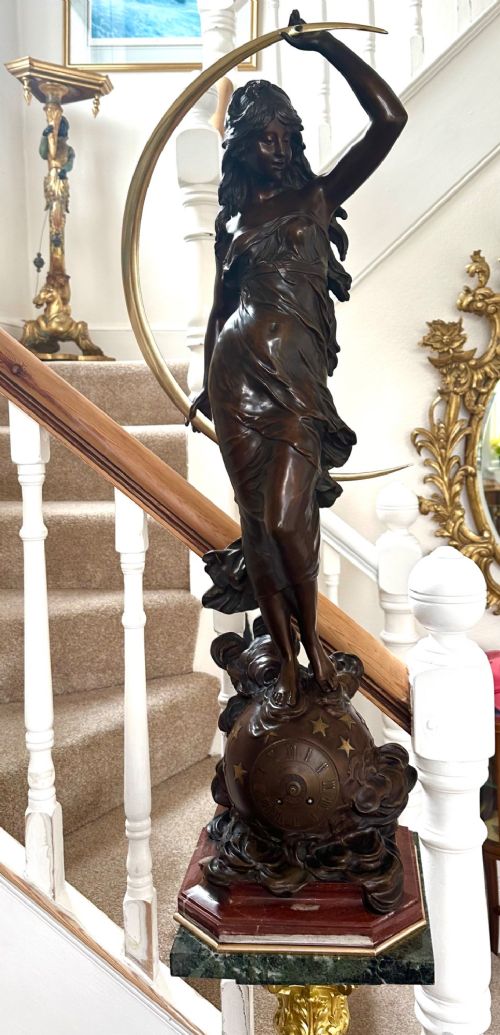
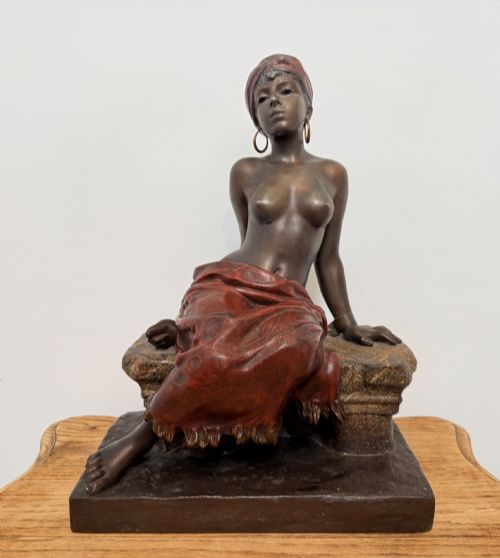
A 19th century art nouveau sculpture typically takes the form of a standing female figure, a portrait bust, or a figural lamp, often drawing on mythological or allegorical subjects such as nymphs, maidens, and personified seasons.
The objects appearing most frequently on this page are French and Italian works created in bronze, patinated bronze, carved alabaster, and ceramic, spanning periods from the late Victorian era into the early twentieth century.
Makers and casters from Paris and beyond produced these sculptures and figurines to embody the sinuous contours and botanical motifs characteristic of the movement.
Materials and methods of production
Foundries utilised the lost-wax casting method for bronze and patinated bronze figures, allowing sculptors to capture intricate details in hair, drapery, and floral adornments.
Carved alabaster and Carrara marble pieces required skilled hand-chiselling and polishing to achieve smooth gradients and contrasting textures across the stone.
Ceramic, terracotta, and spelter served as alternative mediums for sculptural figures and wall reliefs, often finished with applied patmas or painted glazes.
Several young maidens on this page are caught mid-harp-string pluck, perpetually serenading empty Victorian corners.
Distinctions in quality
The refinement of the surface chasing and the depth of the patination separate standard foundry editions from finer, more expressive casts.
Signatures of recognised sculptors or foundry marks on the base indicate a higher tier of production within the period.
Moreau Family·Emmanuel Villanis·Edouard Drouot·George Minne·Luca Madrassi·Ernst Barrias·Gugielmo Pugi·Georges Van Der Straeten·Ernst Whaliss·Maurice Bouval·Antoine Bofill·Carl Kauba·Houdebine·Henri Honore Ple
The 19th Century Art Nouveau Sculpture Glossary
- Patinated bronze
- Bronze treated with chemical solutions to produce a specific surface colour or tone. This finish protects the metal and accentuates sculptural contours.
- Spelter
- A zinc-based alloy commonly used as a cost-effective alternative to bronze in figural lamps and sculptures. It often received a bronze-like or silvered coating.
- Alabaster
- A soft, fine-grained stone used for carved sculptural busts and figures. It allows for a translucent quality when polished.
- Terracotta
- Fired unglazed clay utilised for sculptural reliefs and figures. It presents a warm, earthy reddish-brown hue.
- Bisque
- Unglazed ceramic porcelain that yields a matte, white surface resembling marble. It appears frequently in portrait busts and figurines.
19th Century Art Nouveau Sculpture: Frequently Asked Questions
What subjects do these sculptures depict?
These works primarily portray female figures, maidens, and mythological characters such as nymphs, muses, and personifications of nature. Many pieces incorporate flowing hair, floral elements, and drapery typical of the period.
Artists frequently titled these sculptures after literary figures or abstract concepts like spring, music, and the breeze. The designs reflect a widespread interest in classical themes reinterpreted through organic aesthetics.
How were figural lamps constructed?
Figural lamps combined cast bronze, spelter, or alabaster sculptures with functional lighting elements such as glass shades or harp attachments. Sculptors designed these pieces to serve as both decorative art and ambient illumination.
Signatures from prominent makers often appear directly on the cast metal base or within the body of the figure alongside the lamp hardware.
How can I identify the material used?
Bronze and patinated bronze figures feel cold and heavy, often showing a dark metallic tone or applied chemical colouration. Spelter is softer and lighter, sometimes revealing a greyish base metal beneath worn surface finishes.
Alabaster and marble present cool stone surfaces with natural veining, whereas ceramic, terracotta, and bisque exhibit fired clay characteristics with matte or glazed finishes.
Where were these pieces made?
The majority of the sculptures originate from workshops and foundries in France and Italy during the late nineteenth and early twentieth centuries. Paris served as a major centre for bronze casting and sculptural production.
Italian studios specialised in carved alabaster and marble figures, while ceramic works emerged from various continental potteries.