
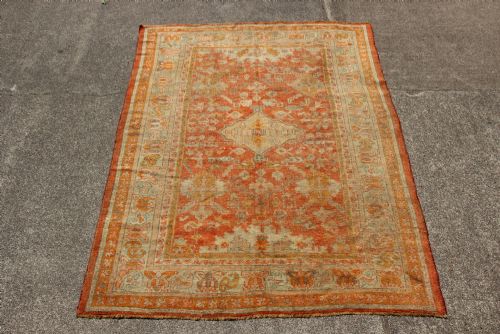

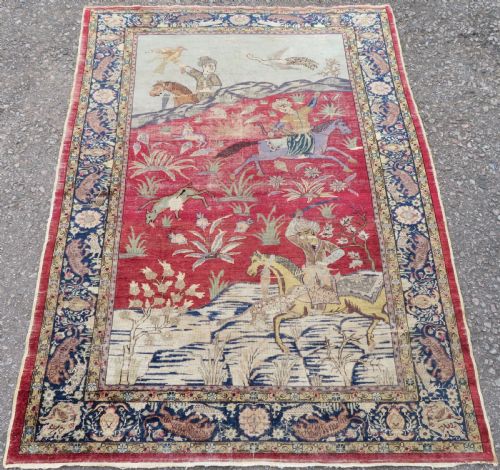


19th Century Anatolian Rug
When you examine a 19th century anatolian rug, you touch a dense woven history born from village looms and court workshops alike.
19th Century Anatolian Rug
A 19th century anatolian rug encompasses floor coverings, village weaving, and nomadic pieces originating from the regions of Turkey.
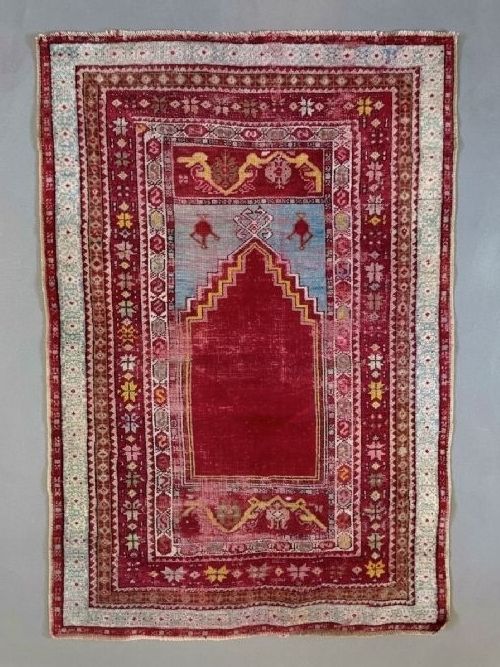
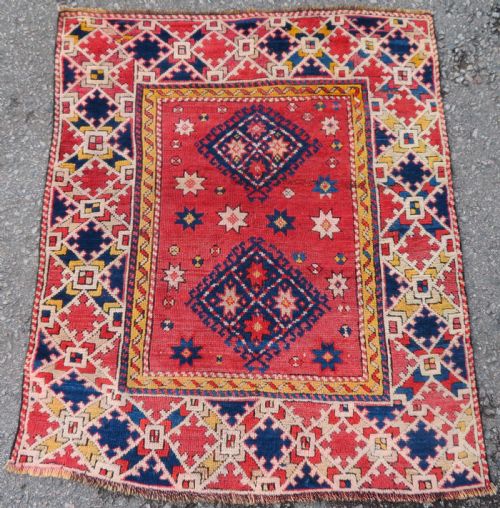
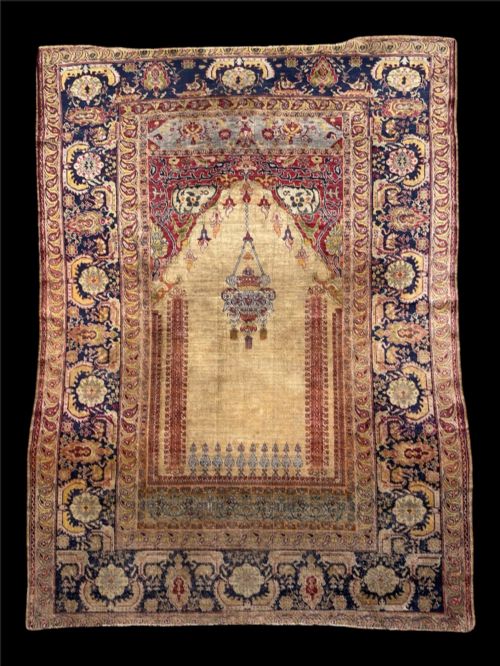
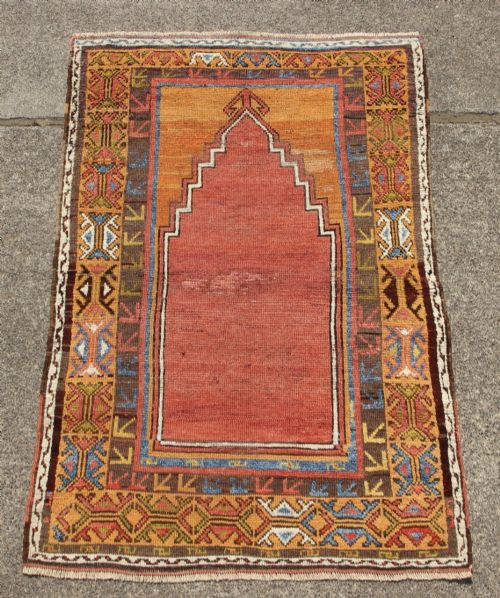
The selections on this page include prayer formats bearing mihrabs, large carpets from Oushak, and smaller utilitarian items like yastics and saddlebags.
Makers utilised traditional styles associated with specific towns and districts, such as Ghiordes, Konya, Milas, and Bergama, linking each textile to a distinct local heritage.
How they were made
Weavers constructed these textiles primarily using wool, cotton foundations, and occasional silk highlights, employing hand-spun fibres for depth of texture.
Natural dyes produced the characteristic palette found across the periods, reacting to mineral sources and plant extracts over decades of exposure.
Some nineteenth century nomadic saddlebags preserve the exact travel dust of Anatolian mountain tracks inside their wool folds.
What varies in quality
Quality rests upon the fineness of the knotting, the complexity of the design, and the integrity of the surviving material structure.
Anatolian pieces demonstrate distinction through the saturation and harmony of their natural dye palette, alongside the clarity of regional graphic motifs.
The 19th Century Anatolian Rug Glossary
- Mihrab
- The arched niche design focal to prayer rugs, directing the viewer toward a spiritual orientation during use.
- Kilim
- A flat-woven textile produced without a pile, utilising slit-weave techniques to create sharp geometric patterns.
- Yastic
- A small cushion face or short rug traditionally used for resting against household divans in Anatolian interiors.
- Saf
- A multi-niche prayer rug featuring a sequence of arched mihrabs arranged side by side across a single field.
19th Century Anatolian Rug: Frequently Asked Questions
How do I care for my rug?
Keep the textile out of direct sunlight to protect the natural dyes from fading over time. Gentle vacuuming without a rotating brush bar prevents fibre damage while removing grit.
Professional cleaning should happen infrequently and only by specialists experienced in antique pile textiles. Avoid using chemical spot treatments on historical wool or silk.
Were these rugs used on floors?
Many larger examples served as floor coverings in homes, public buildings, and civic spaces throughout the Ottoman Empire. Smaller formats often functioned as wall hangings, bedding rolls, or seating covers.
Nomadic and village pieces adapted to portable lifestyles where textiles doubled as transport bags and animal trappings. Prayer formats held dedicated ceremonial duties distinct from daily foot traffic.
How do I identify regional designs?
Regional attribution relies on specific border motifs, colour combinations, and structural traits tied to towns like Bergama or Konya. Village workshops frequently repeated local geometric idioms passed down through generations.
Court pieces from Oushak or Ghiordes display larger floral layouts and refined drawing styles influenced by institutional patronage. Comparing field arrangements against documented types clarifies the likely origin.
What materials make up the pile?
Sheep wool forms the primary pile material across the majority of village and nomadic examples from this era. Angora wool and court silk appear in specialised urban weaves for heightened lustre.
Foundations typically consist of hand-spun wool or cotton warp and weft threads supporting the knotted surface. Leather edges or backing elements occasionally reinforce heavy utility items like saddlebags.