


19th Century Alabaster Figure
A 19th century alabaster figure brings classical elegance and tactile warmth into a room, capturing mythological and portrait subjects through skilled carving.
19th Century Alabaster Figure
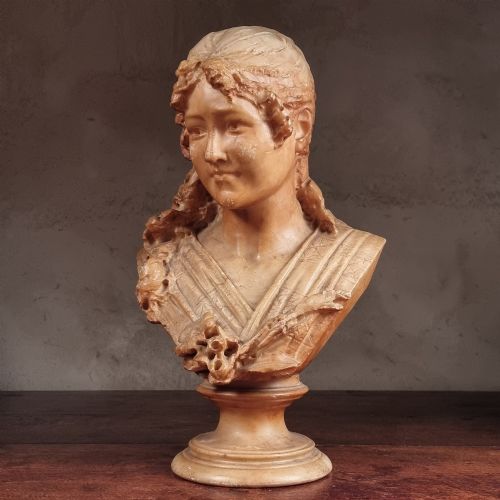
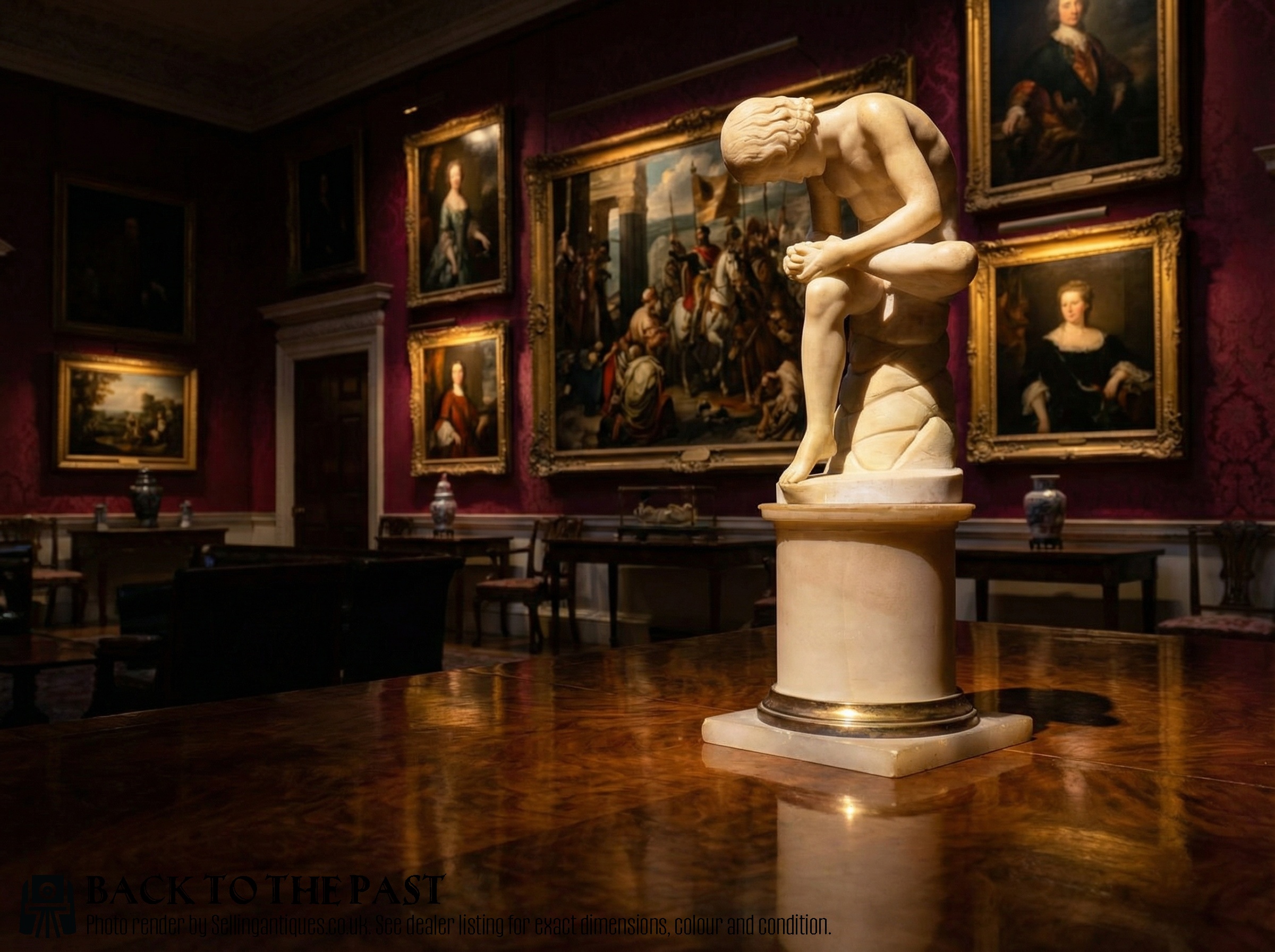
When you examine a 19th century alabaster figure, you encounter carved representations of classical deities, mythological subjects, and female portraits created across European workshops. The forms range from small Grand Tour souvenirs and bookends to substantial busts and standing statues depicting figures such as Diana, Hestia, and Spinario.
The selections on this page span several decades of the 19th century alongside pieces from around 1890 to 1910, reflecting Victorian neoclassical and Art Nouveau tastes. Italian and French carvers predominate, producing both white and two-tone variations mounted on marble or stone bases.
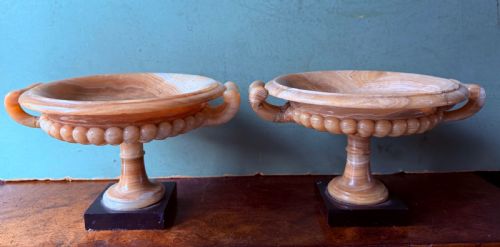
Buyers will find that many examples draw directly from antique models, such as Italian Grand Tour tazze or classical sculptures reinterpreted for nineteenth-century interiors. These pieces function primarily as decorative focal points for mantelpieces, libraries, and display cabinets.
Materials and carving methods
Carvers shaped these sculptures primarily from alabaster, often distinguishing between fine-grained varieties and highly figured types like alabastro egiziano or Derbyshire alabaster. Related works incorporate veined Carrara marble, standard marble, stone, and contrasting black marble bases to anchor the composition.
Makers utilised hand-chiselling and polishing techniques to achieve smooth drapery, hair texture, and skin tones, sometimes combining two-tone alabaster to create naturalistic depth. Alternative metallic elements in related listings include cast spelter and bronze.
Dogs and eagles join mythological deities and portrait busts among the carved animal representations.
Distinctions in quality
Quality rests upon the sensitivity of the carving and the fidelity of the human form, particularly in the rendering of facial expressions, hands, and fabric folds. Finer sculptures display precise anatomical articulation and subtle surface translucency that cheaper commercial outputs lack.
The choice of raw material also dictates value, with highly figured or Derbyshire alabaster offering distinctive natural patterning compared to plain white stone. Additionally, signed works by known makers command greater attention than anonymous studio pieces.
Bright And Sons·Antonio Frilli·Pugi·Gugielmo Pugi·P. Emilio Fiaschi·R. Lusili
The 19th Century Alabaster Figure Glossary
- Alabaster
- A softer, translucent stone prized for sculpture and decorative objects, allowing carvers to achieve delicate surface details and warm illumination.
- Grand Tour
- A traditional trip through Europe undertaken by upper-class scholars and collectors, acquiring souvenirs such as carved alabaster and marble artefacts.
- Neoclassical
- An artistic style drawing inspiration from the classical art and culture of ancient Greece and Rome, prevalent throughout the nineteenth century.
- Spelter
- A zinc alloy commonly cast into decorative figures and patinated to resemble bronze, often found in nineteenth-century French domestic ornaments.
- Tazze
- Shallow saucers or cups raised on stems, frequently produced in pairs during the nineteenth century as decorative table or mantel ornaments.
19th Century Alabaster Figure: Frequently Asked Questions
What is 19th century alabaster?
Nineteenth-century alabaster refers to sculptures and decorative objects carved from a soft, fine-grained mineral stone during the 1800s and early 1900s. European artisans utilised this material for its translucency and smooth texture.
Workshop production during this era included mythological figures, portrait busts, and souvenirs intended for wealthy travellers across Europe.
How do I identify a Grand Tour piece?
Grand Tour pieces typically replicate famous classical antiquities or architecture encountered by travellers visiting Italy and Greece during the nineteenth century. They often feature materials like alabastro egiziano mounted on contrasting black marble bases.
These smaller-scale sculptures and tazze served as portable reminders of classical education and sophisticated travel.
Where should I display my sculpture?
Alabaster figures suit stable indoor surfaces away from direct sunlight, moisture, and extreme temperature fluctuations that might affect the stone. Mantelpieces, bookshelves, and sturdy side tables provide secure placement.
Positioning the piece near indirect light allows the natural translucency of the carved stone to become fully visible.
How do I care for carved alabaster?
Care requires gentle dusting with a soft, dry microfibre cloth to prevent the accumulation of particles within carved crevices. Water and cleaning chemical applications should be avoided due to the soft nature of the stone.
Regular handling should be minimised to prevent natural skin oils from marking the polished surface of the figure.