


19th Century Agricultural Painting
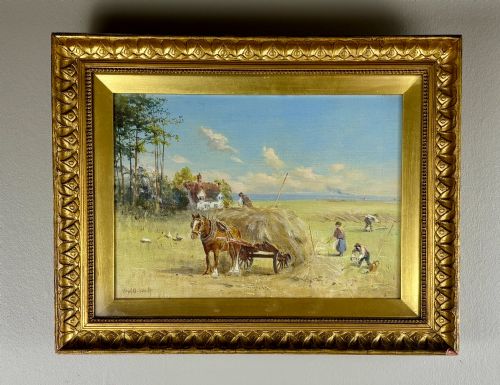
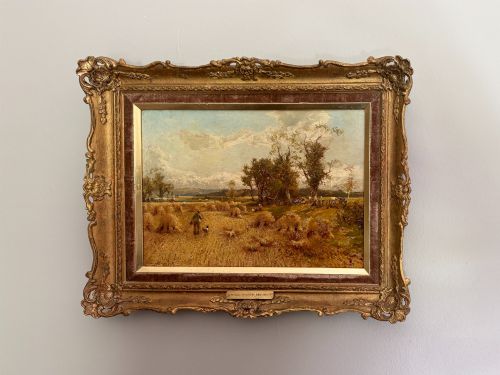
These 19th century agricultural painting examples capture the rural working life of the era through oil on canvas and watercolour.
19th Century Agricultural Painting
A 19th century agricultural painting records the rural labour, livestock and landscapes of the period, ranging from naive portrayals to accomplished Victorian pastoral scenes.
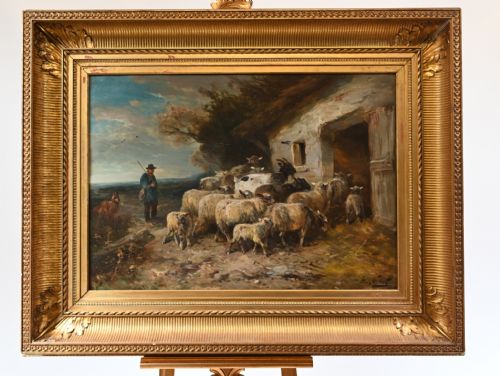
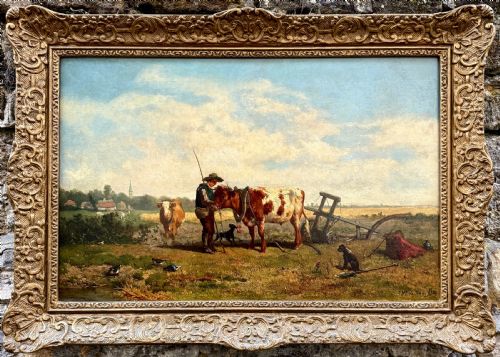
The most common examples on this page are oil paintings on canvas depicting farmyards, harvest scenes, and detailed studies of cattle, sheep, and draught horses.
Works extend across the Victorian era into the early twentieth century, taking in both professional academic canvases and direct English folk art expressions.
Distinctions in quality
Quality rests upon the artist's command of anatomy, perspective, and natural light, particularly in the rendering of livestock and working figures.
Early works often display finer handling of brushwork and atmospheric depth, whereas naive or folk art pieces prioritize direct expression over academic proportion.
The condition of the canvas and the preservation of the original paint layer determine the visual integrity of the piece.
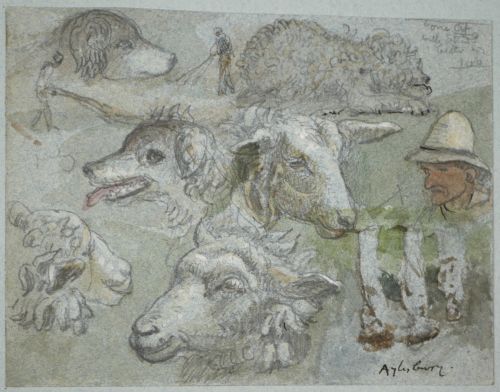
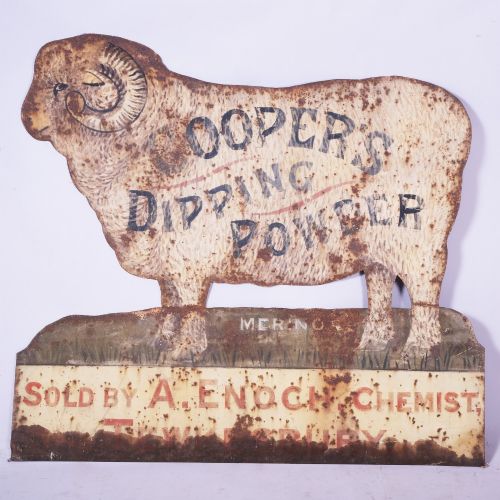
Shorthorns and cooperative sheep occasionally share wall space with unexpected farmyard cockerels and hens.
Henry Schouten·Thomas Sidney Cooper·William Huggins·J L VAN Leemputten
The 19th Century Agricultural Painting Glossary
- Oil on canvas
- Pigments mixed with drying oils applied to a woven fabric support. This was the primary medium for major Victorian pastoral and genre works.
- Watercolour painting
- Pigments suspended in a water-soluble vehicle applied to paper. These works offer a lighter touch often seen in preparatory sketches and detailed rural studies.
- Victorian pastoral
- A genre focusing on idealized or realistic scenes of country life, agriculture, and livestock. It reflects the nineteenth-century fascination with the rural economy.
- Folk art
- Art produced by self-taught or provincial painters working outside academic traditions. These pieces often feature bold perspective and direct characterisation.
- Gesso
- A plaster mix applied to wood moulding to create a smooth surface for gilding and framing. It forms the rigid decorative border around many period canvases.
19th Century Agricultural Painting: Frequently Asked Questions
How do I care for an oil painting?
Keep the canvas away from direct sunlight and damp conditions to prevent paint cracking and mould growth.
Dust the surface gently with a dry, soft brush without applying pressure to the paint layer.
What subjects appear in these works?
Common subjects include harvest scenes, ploughing horses, sheep in pastures, and detailed portraits of prize livestock.
Farmyard daily routines and figures working the land also feature heavily across the selection.
How can I date a piece accurately?
Examine the canvas weave, stretcher construction, and framing materials for period-specific manufacturing techniques.
Signatures, artist records, and stylistic markers tied to Victorian realism provide further chronological clues.
Where should I hang these paintings?
Select a stable interior wall with moderate humidity and minimal temperature fluctuations to protect the canvas.
Traditional frames pair well with both period interiors and contrasting modern spaces.