
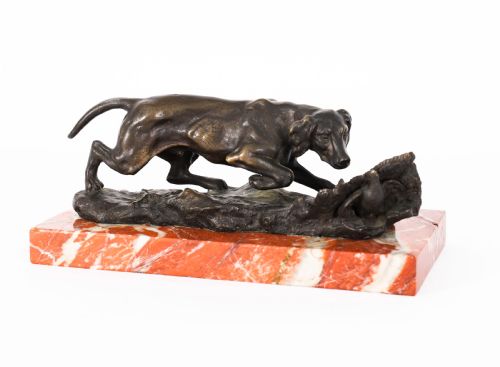
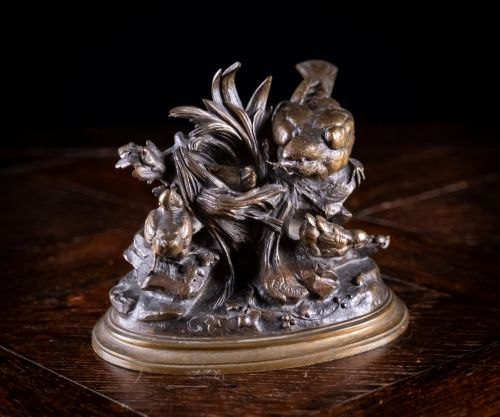
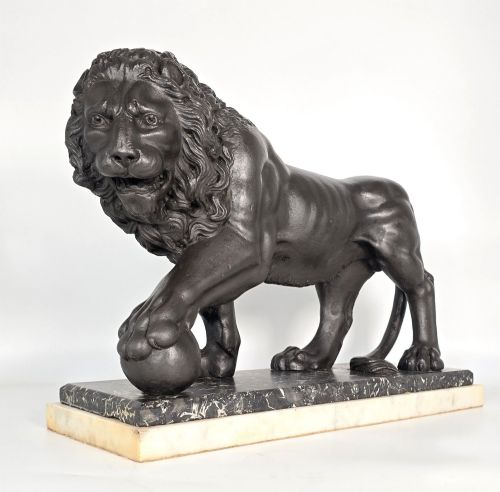
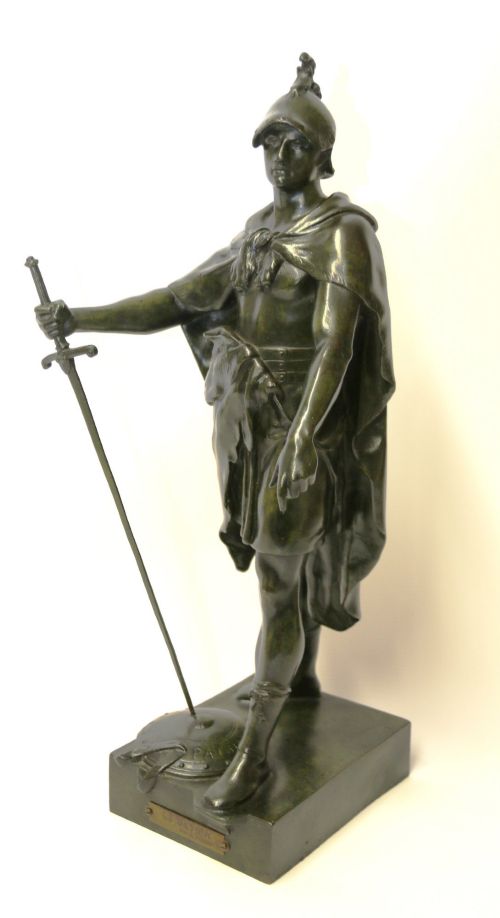
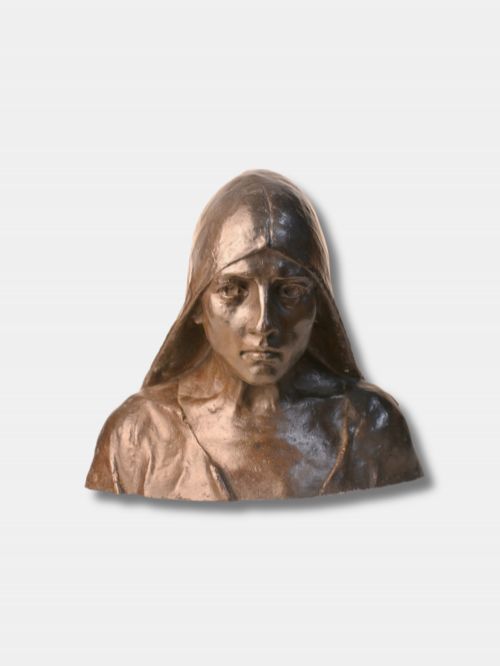
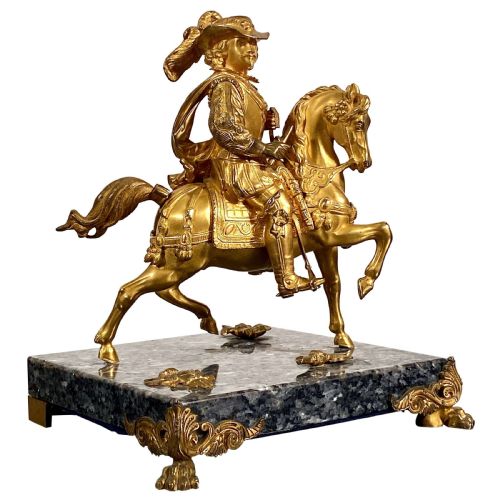


19th C Bronze Sculpture
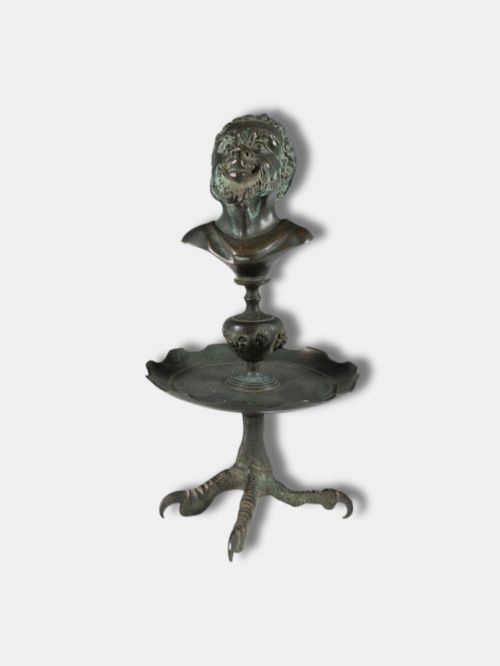
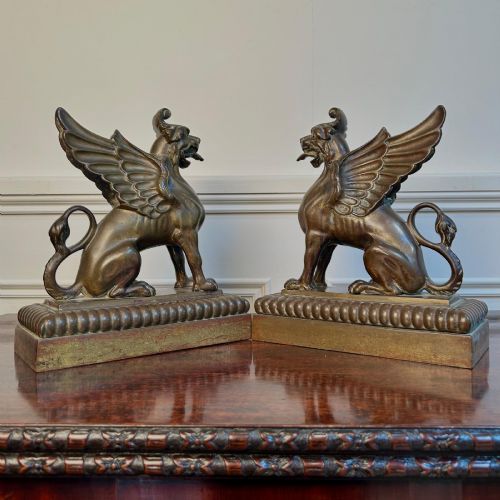
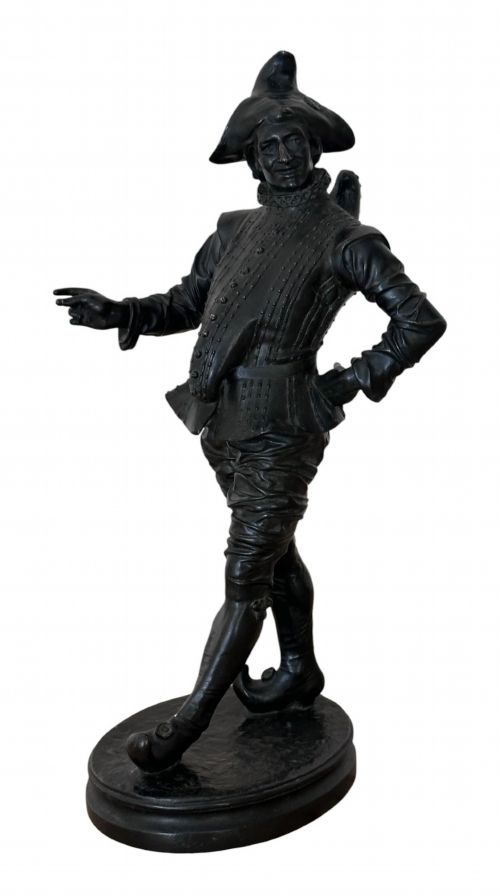
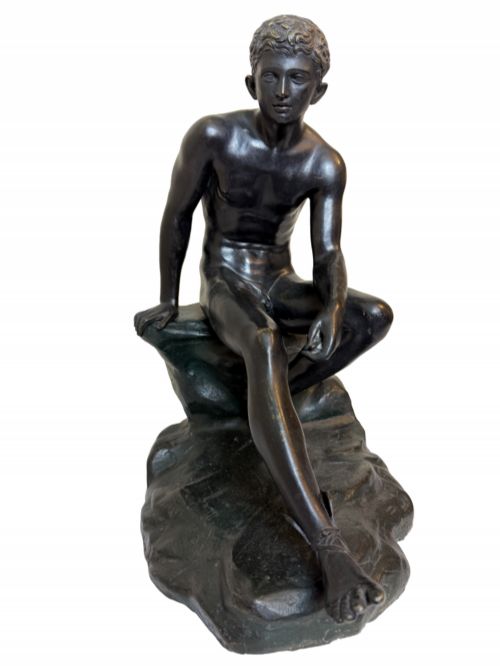
A 19th c bronze sculpture captures the meticulous craftsmanship of the period, offering collectors tangible connections to classical antiquity, mythology, and animalier art.
19th C Bronze Sculpture
When exploring a 19th c bronze sculpture, buyers encounter a diverse array of subjects ranging from mythological figures and historical busts to detailed animal studies and Grand Tour souvenirs. These works capture the nineteenth-century fascination with classical antiquity, literature, and nature.
The objects span multiple cultural origins, including French neoclassical foundry works, Italian Grand Tour casts, and Asian Buddhist statues. Common formats include freestanding figures, furniture mounts, and decorative groups mounted on stone plinths.
Pieces frequently reference established classical models by sculptors such as Giambologna or Coustou alongside original nineteenth-century compositions. Collectors often find works produced by prominent European foundries and individual artisans from the 1800s onward.
How They Were Made
Foundries utilised the lost-wax casting technique or sand-casting methods to create these metalworks from molten alloy. Artisans then refined the raw metal surfaces through chasing, filing, and polishing.
Surface treatments define the appearance of these metal artefacts, utilising chemical patination to produce varied brown, green, or black tones. Other examples feature mercury gilding, ormolu accents, or cold-painted pigments applied directly to the metal.
Listings feature works created across the nineteenth century, incorporating materials such as marble, onyx, and gilded bronze.
What Varies in Quality
The application and depth of the patination contribute significantly to visual success, with skilled patination creating rich tonal variations across the bronze. Additionally, the quality of the supporting base, whether marble, onyx, or fossil stone, reflects the overall ambition of the piece.
Poix Blin·Carl Kauba·Etienne-Henri Dumaige·Ferdinand Barbedienne·P J Mêne·Moreau Family·August Moreau·Louis Emile Cana·F. Milliot·Pierre-Augustin Caron de Beaumarchais·E Villanis·Vincenzo Aurisicchio·Franz Bergman·Perron·Antoine Faure·B Boschetti·Chiurazzi and Fils
The 19th C Bronze Sculpture Glossary
- Grand Tour
- A traditional trip through Europe undertaken by upper-class young men in the eighteenth and nineteenth centuries to study classical art. Souvenirs purchased on these journeys frequently included small bronze reductions of famous ancient statues.
- Animalier
- A nineteenth-century artistic movement focused on the realistic depiction of animals. Sculptors in this tradition studied anatomy closely, often portraying wildlife and domestic animals in dynamic or naturalistic poses.
- Ormolu
- Finely ground high-carat gold applied to a bronze object using a mercury amalgamation process. This technique produces a brilliant golden surface commonly seen on decorative mounts and highlights.
- Patina
- A thin layer that naturally or artificially forms on the surface of bronze through oxidation and chemical treatment. It alters the colour of the metal and protects the underlying material.
- Lost-wax casting
- A metalworking process where a molten metal is poured into a mould that has been created by means of a wax model. The wax is melted and drained away to accommodate the metal.
19th C Bronze Sculpture: Frequently Asked Questions
What is a Grand Tour bronze?
A Grand Tour bronze is a small-scale replica of a classical antiquity or Renaissance masterpiece, acquired by travellers exploring European cultural sites during the nineteenth century.
These portable souvenirs allowed collectors to bring museum-scale sculptures into private domestic interiors.
How do I identify an Animalier sculpture?
Animalier sculptures focus primarily on realistic representations of animals, often depicting beasts in motion, resting, or interacting with one another. These pieces reflect the nineteenth-century scientific and artistic interest in natural history.
Prominent practitioners captured domestic pets, farm animals, and exotic wildlife with precise anatomical accuracy.
What is the difference between bronze and spelter?
Bronze is an alloy composed primarily of copper combined with tin, yielding a heavy, durable material capable of retaining sharp chased details. Spelter is a zinc-based alloy that was frequently utilised as an economical alternative to bronze.
Spelter objects are lighter and softer, often finished with a bronze-coloured paint to imitate true metalwork.
How should I clean a antique bronze sculpture?
Antique bronze sculptures require minimal intervention to preserve their historic patination. Gentle dusting with a soft, dry cloth is usually sufficient for regular maintenance.
Harsh chemical cleaners, water, and abrasive cloths must be avoided because they strip the original patina and damage the metal surface.