





1960s Pearl Jewellery
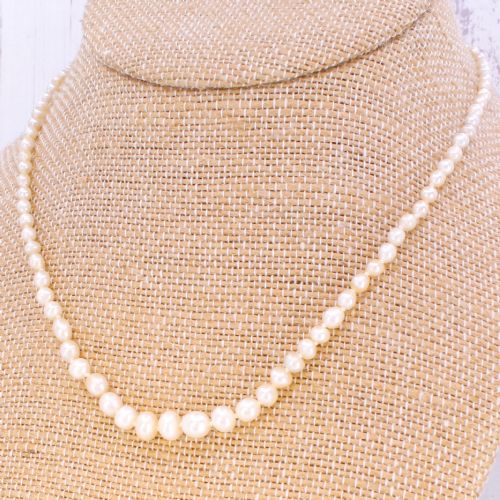
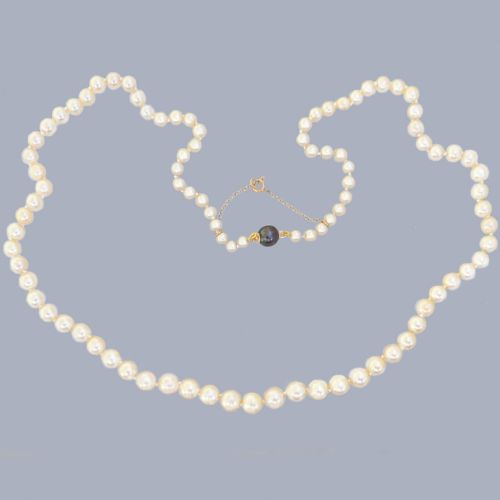
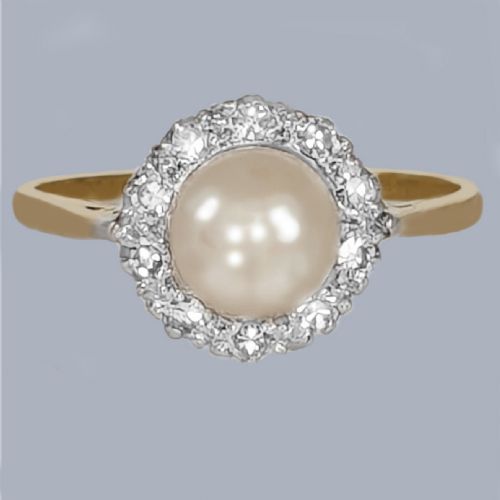
These pieces of 1960s pearl jewellery combine mid-century design with lustrous cultured and natural pearls.
1960s Pearl Jewellery
When searching for 1960s pearl jewellery, collectors encounter a diverse range of items including multi-strand necklaces, cluster rings, drop earrings, and brooches. The period produced both traditional strung necklaces and distinct modernist forms that incorporated coloured gemstones alongside pearls.
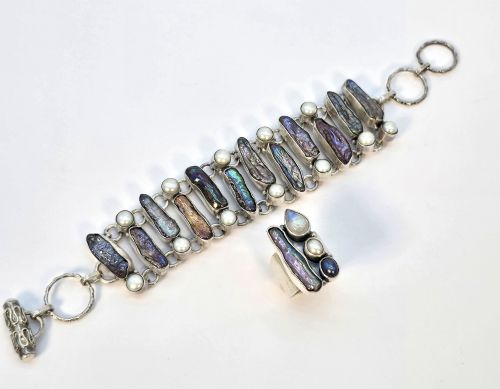
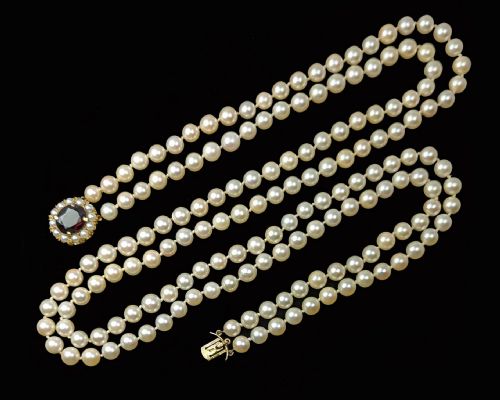
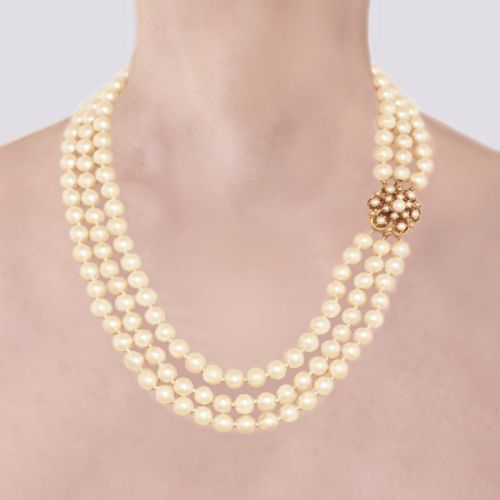
Necklaces dominate the selection, frequently appearing as double or triple strands secured with gold clasps set with garnets, sapphires, diamonds, or amethysts. These strands showcase cultured pearls alongside variations like Biwa and Mabe pearls.
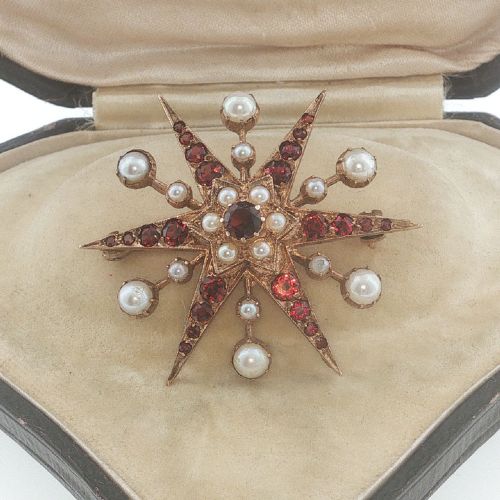
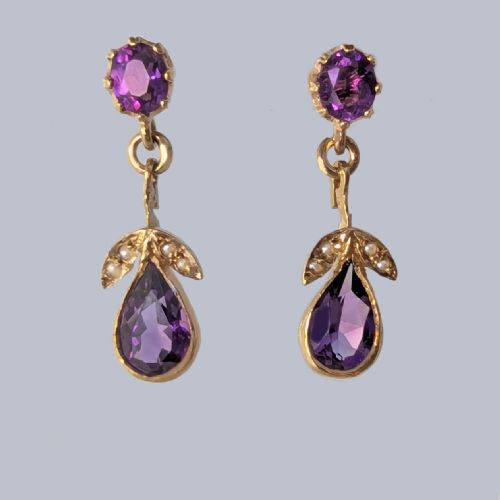
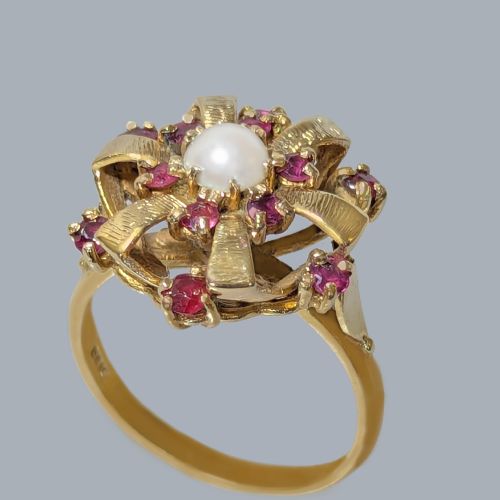
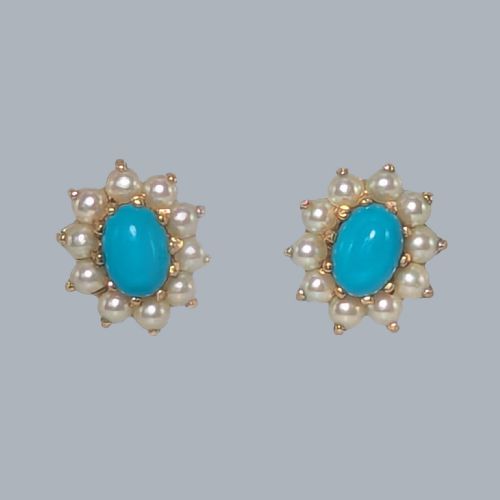
Earrings and rings from this decade often utilise cluster settings. Pieces span styles from Mid-Century Modernist to Victorian Revival, reflecting the varied aesthetic choices of the nineteen-sixties.
How they were made
Craftsmen built these jewels using 9ct and 18ct yellow and white gold, alongside platinum, to mount both natural saltwater pearls and cultured varieties. Pearls were hand-knotted onto silk threads in multi-strand configurations, while clasps and mountings frequently incorporated precious gemstones such as rubies, garnets, turquoise, and diamonds.
Metalwork techniques combined casting and fabrication, particularly in the creation of starburst, floral, and abstract cluster mounts. Omega backs appeared on earrings, and hallmarking was regularly applied by British assay offices in London, Birmingham, and Sheffield.
Among the items is a 9ct yellow gold playful pearl cat charm dated 1966.
What varies in quality
Quality differences stem from the origin and uniformity of the pearls themselves, distinguishing natural saltwater specimens and high-lustre cultured pearls from lesser material. The regularity of grading, matching in size, and surface cleanliness directly affect the standing of a necklace.
The sophistication of the mounting determines the calibre of smaller items like rings and brooches. Substantial gold weight, secure stone setting for accompanying garnets, diamonds, or sapphires, and clear British hallmarks separate standard production from superior examples.
Cropp and Farr
The 1960s Pearl Jewellery Glossary
- Cultured pearl
- A pearl created by the introduction of a nucleus into an oyster, encouraging the mollusc to deposit layers of nacre. These form the majority of pearls seen in mid-century necklaces.
- Mabe pearl
- A cultured blister pearl grown against the inside shell of an oyster rather than within the tissue. They result in hemispherical pearls frequently set into earrings and rings.
- Biwa pearl
- An elongated, freshwater cultured pearl originating from Lake Biwa in Japan. They possess a distinctive stick-like or irregular organic shape.
- Seed pearl
- Very small, naturally or cultured pearls often drilled and strung together. They frequently appear in Victorian revival starburst and cluster brooches.
- Hallmark
- An official stamp applied by an assay office indicating the purity of the precious metal. British examples from this decade commonly originate from London, Birmingham, or Sheffield.
1960s Pearl Jewellery: Frequently Asked Questions
How are multi-strand necklaces secured?
Multi-strand necklaces use substantial clasps made from 9ct or 18ct gold. These clasps often double as decorative floral or cluster centrepieces set with diamonds, garnets, or sapphires.
Many designs incorporate safety mechanisms or box clasps to support the weight of double and triple strands of cultured pearls.
What metal types appear in these pieces?
Jewellery from this decade predominantly utilises 9ct yellow gold and 18ct gold, alongside occasional 14ct and 18ct white gold settings. Platinum is also found in specific chain necklaces.
Gold forms the structural bezels, prongs, and clasps, contrasting with the white and cream tones of the pearls.
How do earrings fasten?
Earrings from this era frequently employ omega backs, which provide a hinged clip mechanism for comfort and security on the earlobe. Stud and drop configurations also utilise standard post fittings.
Larger button-style items like Mabe pearl earrings rely heavily on omega clips to distribute the weight evenly.
What gemstone combinations accompany pearls?
Pearls are regularly paired with garnets, sapphires, rubies, turquoise, amethysts, and diamonds. These stones appear in cluster rings, floral brooches, and decorative clasps.
Gemstones are set using claw, bezel, or flush techniques within gold mountings.