


1950s Vintage Ring
A 1950s vintage ring brings mid-century character and bold gemstone work to the hand, offering a tangible piece of post-war design history.
1950s Vintage Ring
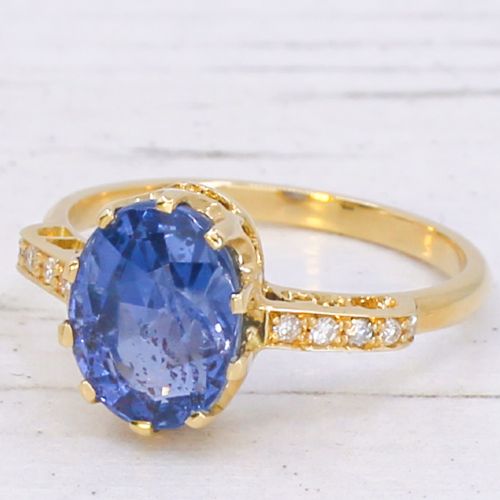
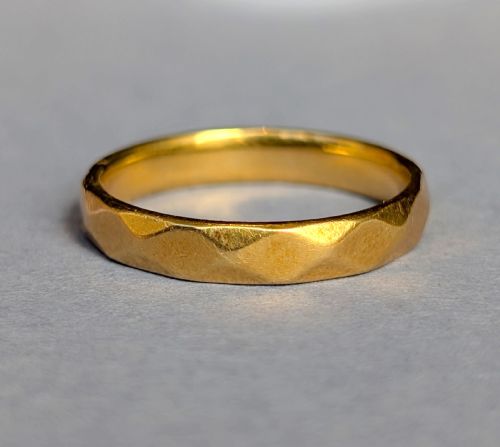
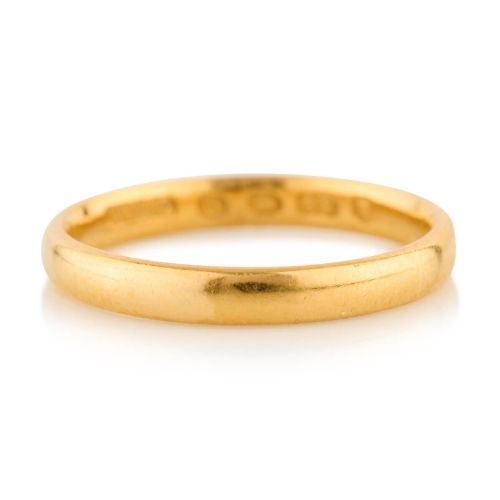
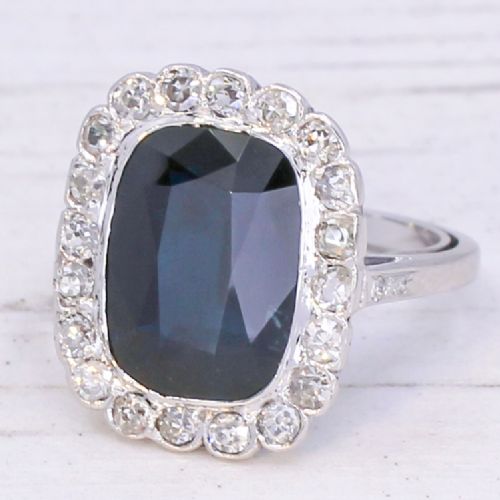
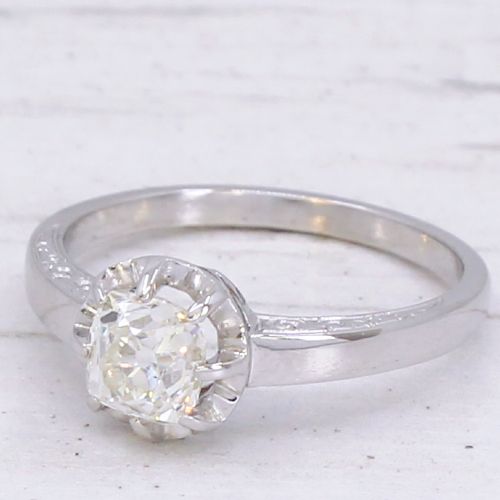
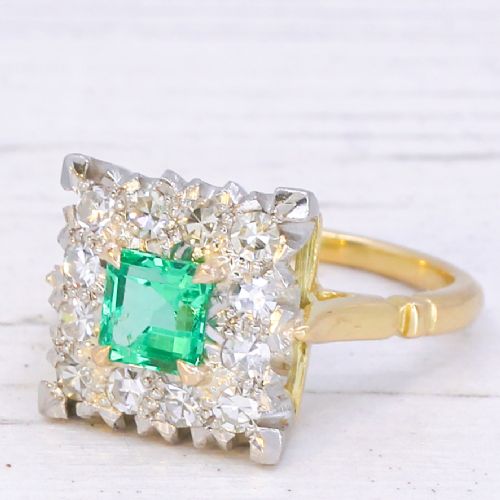
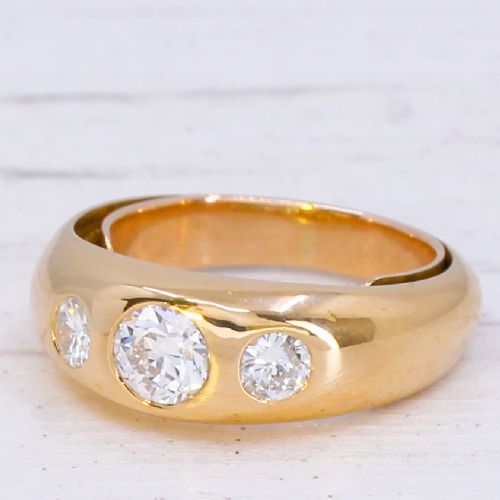
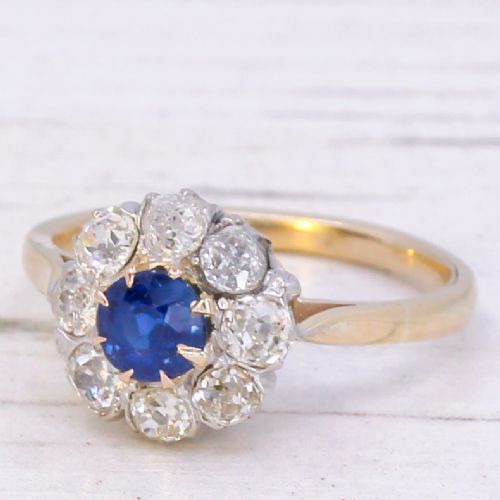
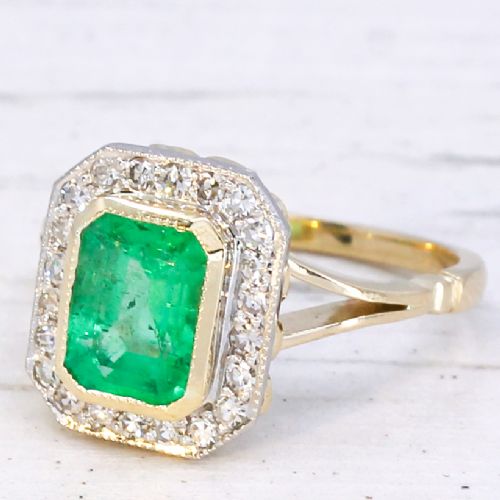
When searching for a 1950s vintage ring, collectors encounter everything from delicate engagement solitaires to large, statement-making cocktail designs. The selection spans straightforward yellow gold wedding bands and intaglio signet pieces alongside elaborate platinum clusters set with heavy aquamarines, unheated Ceylon sapphires, and Colombian emeralds.
Mid-century jewellers worked across various stylistic revivals and modern breakthroughs, producing pieces that range from minimalist white gold bands to dramatic ballerina and bombé silhouettes. Alongside traditional diamond engagement rings, buyers will frequently find precious coloured stones supported by intricate shoulder work and scroll panels.
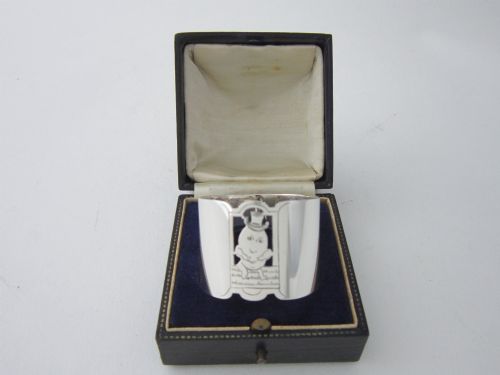
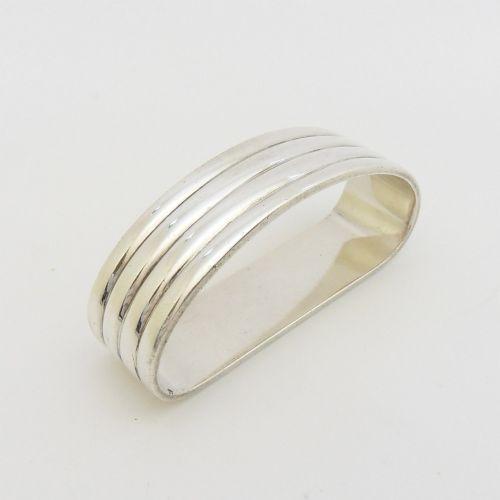
Beyond standard finger adornments, the broader category occasionally incorporates related domestic silver pieces such as vintage napkin rings and pin dishes. However, the true core of this selection remains the mid-century ring, capturing a period defined by confident geometry and substantial precious metals.
How They Were Made
Goldsmiths of the era utilised a versatile palette of precious metals, casting mountings in platinum, 18ct white gold, and rich yellow or rose gold. Many high-end cluster and cocktail rings combine platinum settings with yellow gold shanks to ensure secure gemstone claw work while retaining a warm appearance.
Gemstone selection defined the construction, pairing brilliant, old-cut, and rose-cut diamonds with significant unheated sapphires, emeralds, and aquamarines. Settings relied on meticulous manual claw, bezel, and pave techniques to anchor central stones while incorporating tiered diamond halos and sculptural wirework.
Several rings feature secret birthstones tucked beneath heavy scroll galleries, whispering hidden messages straight to the wearer's palm.
What Varies In Quality
The upper tier of mid-century jewellery is distinguished by the natural origin and untreated quality of its primary gemstones, particularly certified unheated sapphires and emeralds with minimal oil treatments. Master craftsmanship shows in the structural integrity of heavy platinum and high-carat gold mountings, where intricate scroll panels and gallery work remain crisp and secure.
Execution and stone matching dictate the overall standard of cluster and cocktail designs. Superior examples display perfectly graded melee diamonds and precise stone-to-stone symmetry, whereas simpler pieces rely on standard commercial-grade stones and lighter metal weights.
Georg Jensen·Kutchinsky
The 1950s Vintage Ring Glossary
- Bombé
- A ring style featuring a strongly domed, rounded profile that swells outward from the finger. This volumetric shape became popular during the mid-century period to showcase dense pavements of diamonds and coloured stones.
- Ballerina ring
- A distinctive cluster design where a central oval or round gemstone is encircled by a radiating halo of tapered baguette or brilliant-cut diamonds. The resulting outline resembles a dancer's tutu.
- Solitaire
- A single gemstone mounting designed to focus attention entirely on the central stone. In mid-century pieces, these often feature delicate rose-cut diamond shoulders or platinum claws.
- Old cut
- A diamond cutting style prevalent before the standardisation of the modern brilliant, characterised by a smaller table, higher crown, and deep culet. These stones project a softer, more atmospheric scintillation under candle or low light.
- Intaglio
- A gemstone or metal surface carved with a sunken design so that it leaves a raised impression when pressed into sealing wax. These were commonly utilised in signet rings for personal stamping.
1950s Vintage Ring: Frequently Asked Questions
How do I identify a 1950s ring?
Look for distinct mid-century design markers such as stylised floral motifs, bombé profiles, and the widespread use of white gold alongside traditional yellow gold. Maker's marks, assay office letters, and date hallmarks stamped inside the shank provide precise chronological confirmation.
Examination of the stone cutting also helps establish the era. While modern brilliant cuts appear frequently, many 1950s rings retain older transitional or old-cut diamonds inherited from earlier stocks alongside fresh mid-century geometric settings.
Are these rings suitable for daily wear?
Most mid-century gold and platinum rings were built for daily use, particularly robust wedding bands and low-set engagement solitaires. Heavier cocktail rings and delicate ballerina settings require more mindful care due to their elevated profiles and complex multi-stone arrangements.
Checking the security of the claws with a specialist jeweller ensures that stones remain anchored safely. Platinum and high-carat gold mountings hold up exceptionally well to the demands of modern wear when properly maintained.
What is a cocktail ring?
A cocktail ring is an oversized, decorative piece designed to draw attention during evening social events. Emerging strongly in the mid-20th century, these rings typically feature massive central aquamarines, star sapphires, or dense diamond clusters.
Their substantial scale allowed designers to experiment freely with asymmetric scroll panels, heavy gold wirework, and high-profile settings. They stand as some of the most expressive and sculptural survivals of the decade.
What does unheated sapphire mean?
An unheated sapphire is a natural gemstone that has undergone no artificial thermal enhancement to improve its colour or clarity. Such stones retain their exact geological formation from origins like Ceylon.
Because heating is a common practice in gem trade processing, certified unheated stones carry distinct desirability among collectors. They represent natural rarity and hold an unaltered optical purity unique to vintage fine jewellery.