



1930s Wooden Nightstand
These 1930s wooden nightstand pieces bring genuine period character to a bedroom while offering practical bedside storage.
1930s Wooden Nightstand
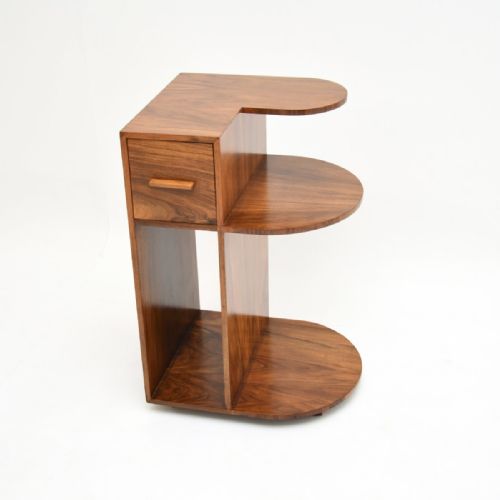
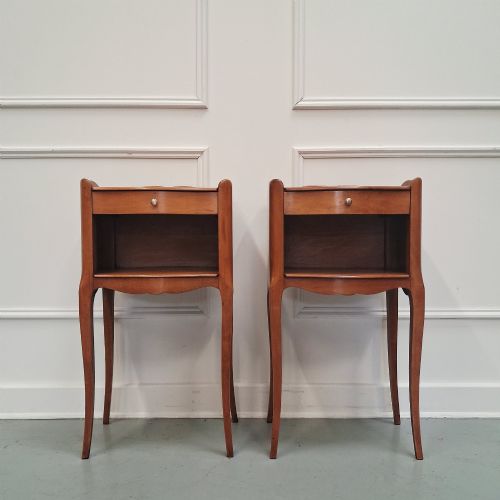
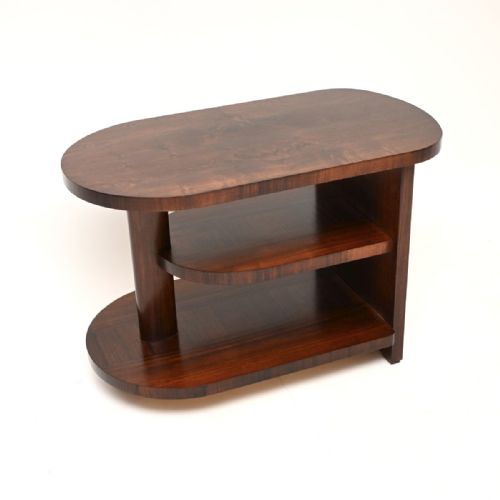
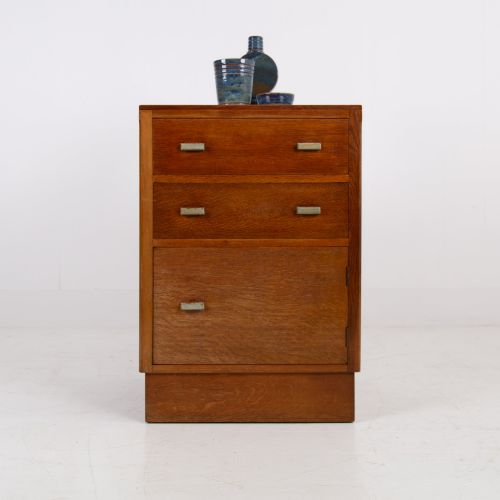
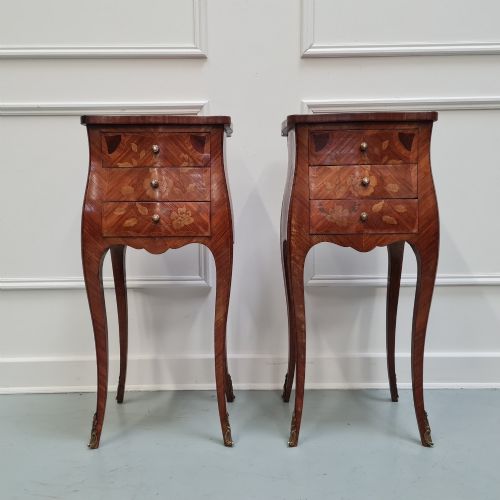
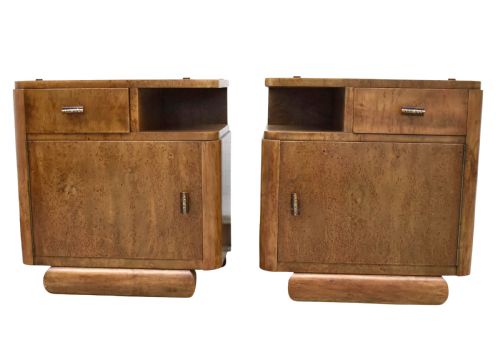
When you search for a 1930s wooden nightstand, you are looking at bedside cabinets, tables and small chests shaped by the Art Deco movement and French stylistic revivals. The selection includes standalone pieces alongside matched pairs designed to flank a bed.
You are most likely to meet French items veneered in exotic timbers or English walnut pieces with clean geometric lines. Many of these bedside tables originate from the 1930 period, though occasional 1920 examples also appear.
How they were made
Cabinet makers constructed these bedside tables using solid carcases faced with decorative wood veneers such as walnut, burr walnut, kingwood, rosewood, burr elm and maple. These veneers were selected for their striking grain patterns and applied to drawer fronts and cabinet doors.
Metal components like brass hardware provide functional accents, while certain French iterations incorporate marble tops for durability and finish.
One walnut chest doubles its identity by appearing in the inventory as both a bedside and a proper chest.
What varies in quality
The distinction between standard examples and the finest pieces lies in the choice of veneer and the skill of its arrangement. Matched pairs and items signed by notable makers demonstrate superior workshop output compared to anonymous production.
The integration of secondary materials, such as heavy marble tops or fine brass fittings, elevates the status of a bedside cabinet within this period.
Gomme·Betty Joel
The 1930s Wooden Nightstand Glossary
- Art Deco
- A design style characterised by sleek geometric shapes, streamlined forms and stylized ornamentation popular during the interwar years.
- Veneer
- A thin layer of figured wood applied over a stable secondary timber base to create decorative surfaces on furniture.
- Kingwood
- A dense, richly figured exotic timber utilised for high-end cabinet making during the period.
- Burr walnut
- Walnut timber featuring distorted grain growth that produces intricate swirling patterns when sliced.
1930s Wooden Nightstand: Frequently Asked Questions
Are these nightstands sold as pairs?
Many listings feature matching pairs designed to sit on either side of a bed, though single bedside tables and cabinets also appear frequently in the selection.
Buyers seeking symmetrical bedside storage will find several options packaged as pairs within the current inventory.
What woods were used for these?
The pieces utilise a variety of timbers, most notably walnut, oak, maple, rosewood and kingwood, often applied as decorative veneers over a solid wooden frame.
Exotic woods like burr elm and burr walnut also feature prominently to create highly figured surfaces on cabinet doors and drawer fronts.
How do I spot French styles?
French pieces from this era often embrace Louis XV revival forms or distinct continental Art Deco interpretations, frequently incorporating fine kingwood veneers and occasionally marble tops.
These continental designs contrast with the more restrained English walnut and oak cabinets produced by domestic makers.
Do nightstands come attached to beds?
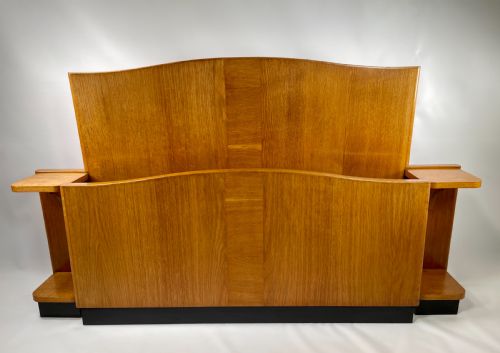
Some period bedroom suites integrate bedside tables directly into the bedstead design or include matching units intended to form a unified suite.
Standalone bedside cabinets and side tables remain the most common format for flexible bedroom placement.