


1930s Wooden Furniture
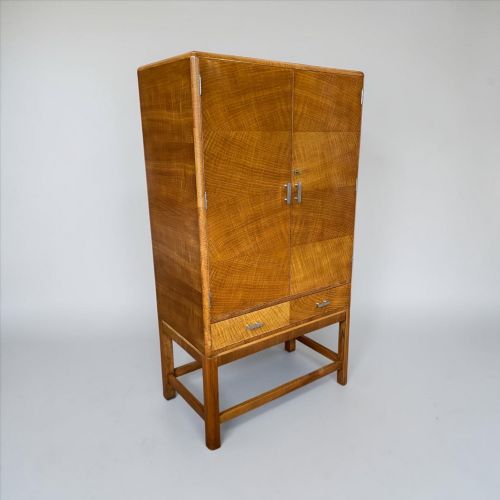
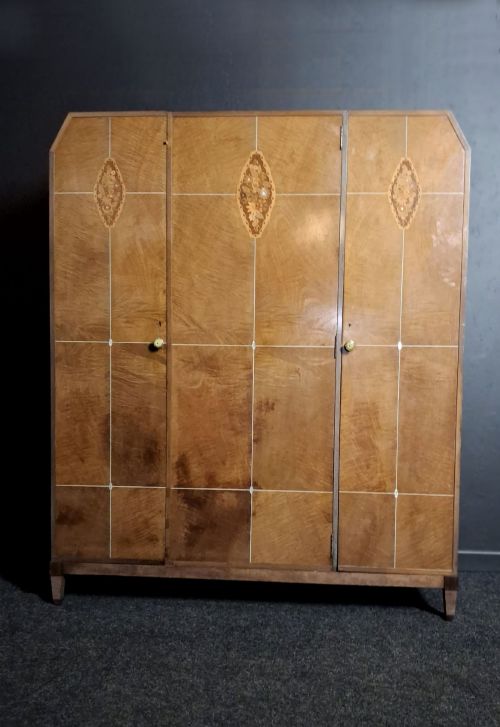
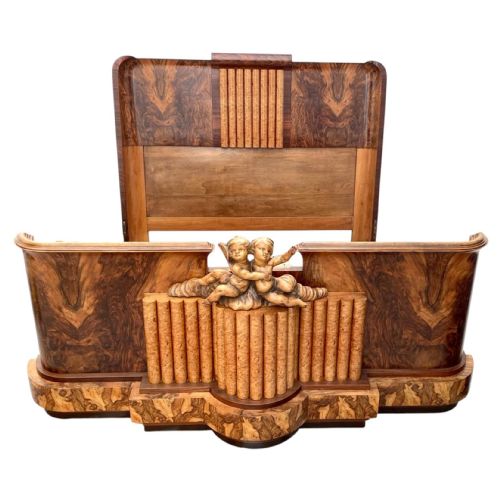
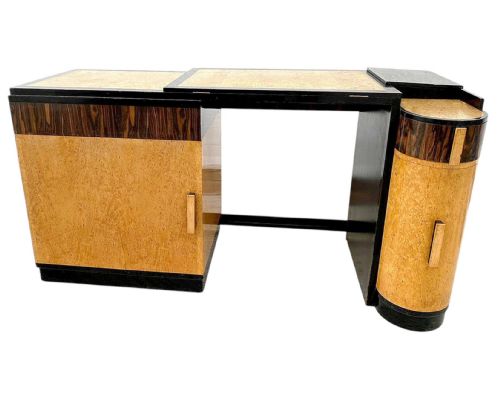
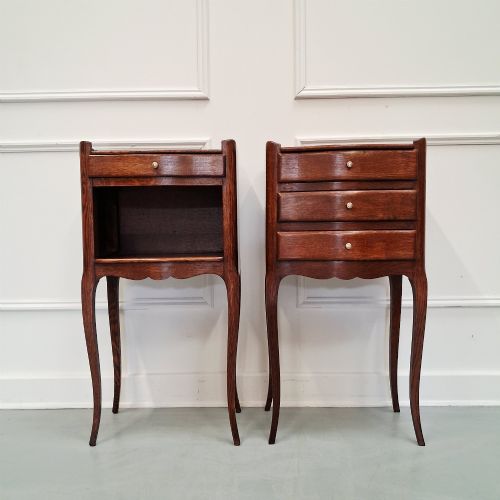
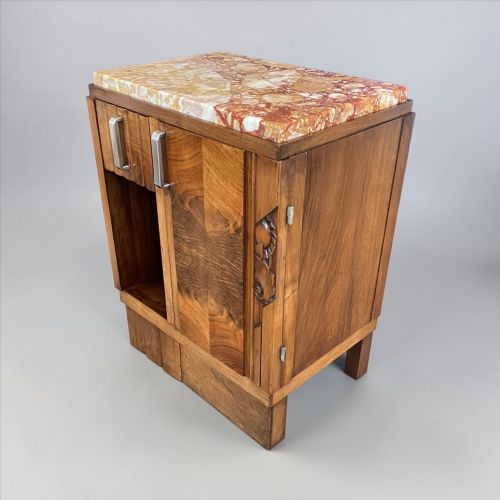
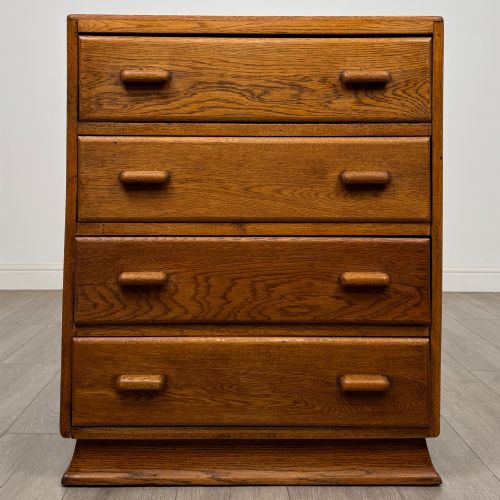
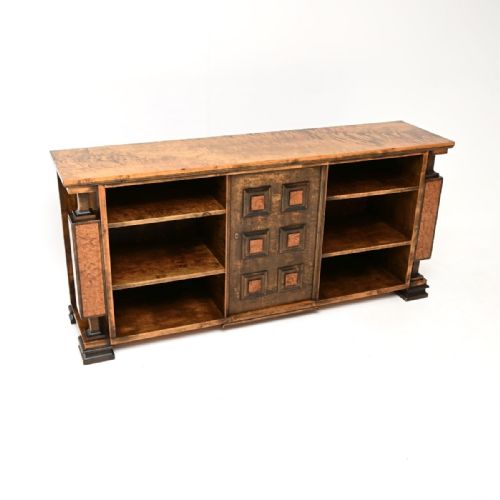
These 1930s wooden furniture pieces bring distinct interwar character to a room through geometric forms and rich timber grains.
1930s Wooden Furniture
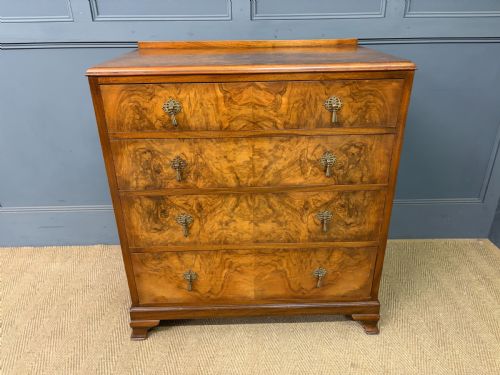
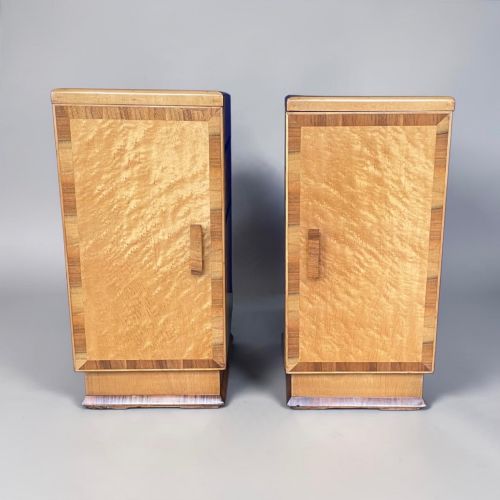
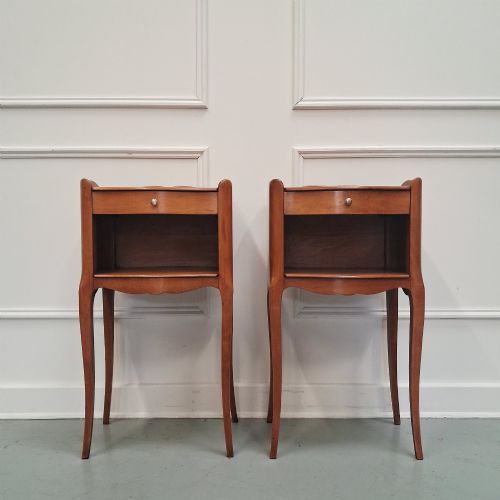
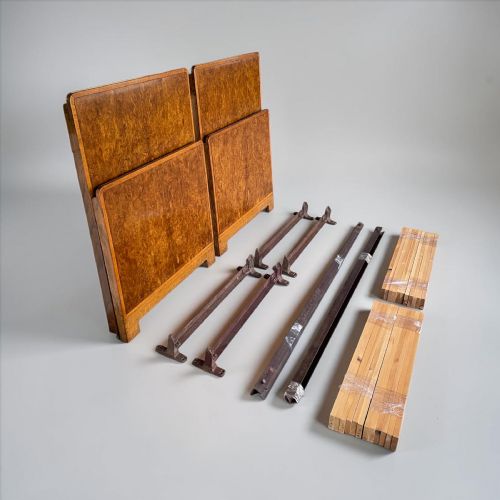
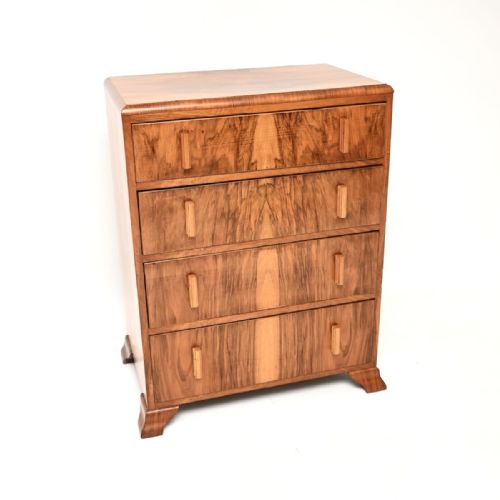
When you search for 1930s wooden furniture, you encounter practical storage items and bedroom suites designed during a period of shifting domestic tastes. Chests of drawers, bedside tables, and desks form the backbone of this selection, reflecting the functional demands of interwar households.
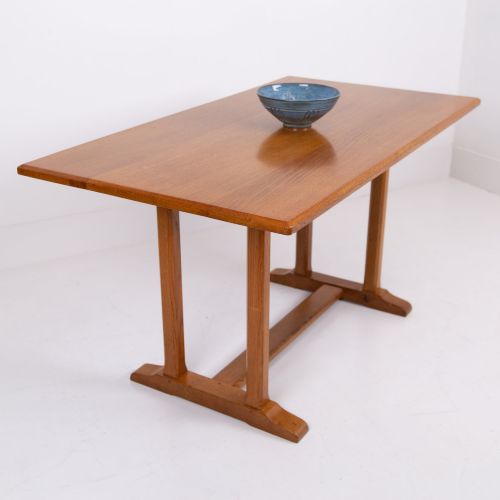
Art Deco styling dominates the available range, alongside robust Arts and Crafts and rustic farmhouse pieces. You will find items spanning the 1920s to the 1930s, showing how cabinetmakers balanced traditional joinery with modern geometric aesthetics.
Materials and construction
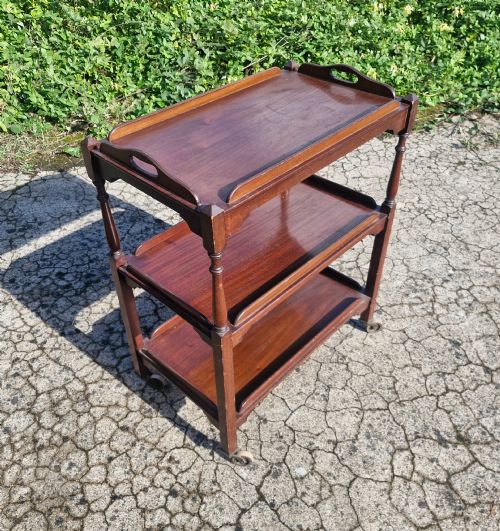
Makers utilised a wide palette of solid timbers and decorative veneers to achieve striking surface patterns. Walnut, oak, and pine provide the structural integrity for larger pieces like sideboards and wardrobes, while figured walnut, satinwood, and macassar veneers decorate drawer fronts and tabletops.
Metal hardware such as brass handles and iron fittings complement the woodwork. Hand-carved details appear on French provincial consoles, while clean lines define modernist desks and bed frames.
1930s Wooden Furniture Retail Price Guide 2026
Typical asking prices for 1930s wooden furniture among the pieces listed under this phrase on Sellingantiques today, from the lower quarter to the upper quarter. They describe what is for sale here now, not the wider market.
Cast iron lion masks guard the armrests of one sturdy garden seat.
Evaluating quality and execution
The distinction between standard commercial output and superior craftsmanship lies in the selection of wood veneers and the precision of the joinery. Figured grains and book-matched burr walnut demand skilled handling to prevent lifting and warping over decades of use.
Attribution to documented makers elevates a piece above anonymous factory production. Maker labels and stamps from workshops confirm the provenance and standard of execution expected from leading designers of the era.
Oliver Morel·Hille·Waring and Gillow·Edward Barnsley·Bryn Mawr·Heal and Sons·Maurice Adams·Harry and Lou Epstein
The 1930s Wooden Furniture Glossary
- Veneer
- A thin layer of figured wood applied to a stable timber base. This technique allows makers to display decorative grain patterns without using solid scarce timber.
- Art Deco
- A design style characterised by sleek geometric shapes, streamlined forms, and stylised motifs. It heavily influences the wardrobes, beds, and desks from this decade.
- Arts and Crafts
- A movement prioritising traditional craftsmanship and visible construction. Pieces in this style emphasise the natural qualities of oak and simple joinery.
- Bureau
- A desk featuring a sloping hinged writing flap that conceals small compartments and pigeonholes. These items serve as compact workspaces in domestic interiors.
1930s Wooden Furniture: Frequently Asked Questions
How do I identify Art Deco furniture?
Art Deco furniture shows distinct geometric shapes, stepped outlines, and symmetrical designs. Makers used contrasting timber veneers like walnut and satinwood to create striking visual patterns on flat surfaces.
You will notice an absence of excessive ornamentation in favour of clean, streamlined silhouettes. Many pieces incorporate original metal handles or matching wooden pulls that follow the overarching architectural lines.
What woods were commonly used?
Oak and walnut serve as the primary timbers for the majority of storage pieces and beds. Walnut veneer frequently decorates drawer fronts, providing rich figuration and colour variation.
Secondary materials include pine for rustic farmhouse tables and exotic hardwoods like macassar for high-end decorative surfaces. Metal fittings in brass and iron appear across various styles.
How do I care for veneered surfaces?
Keep veneered furniture away from direct sunlight and heat sources to prevent the wood from drying out and the glue from failing. Maintain a stable indoor humidity level to protect the timber.
Dust the surface regularly with a soft, dry cloth and avoid harsh chemical cleaners. Wax can be applied occasionally to nourish the wood and preserve the finish.
Are maker marks common?
Maker marks appear on select pieces produced by prominent firms and independent workshops. You may find paper labels, branded stamps, or signatures tucked inside drawers or on the back panels.
Pieces without explicit marks often reflect the regional styles of British or continental cabinetmakers. Unmarked items still exhibit the characteristic construction techniques of the period.