
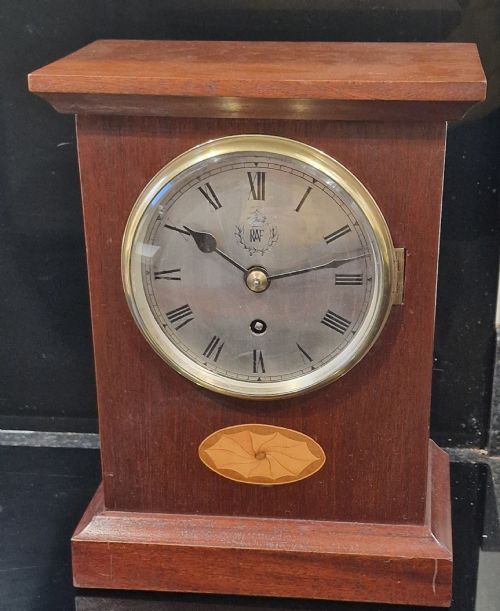


1930s Table Clock
These 1930s table clock pieces bring genuine Art Deco presence to a room, offering distinct period charm that collectors value.
What 1930s table clock examples are
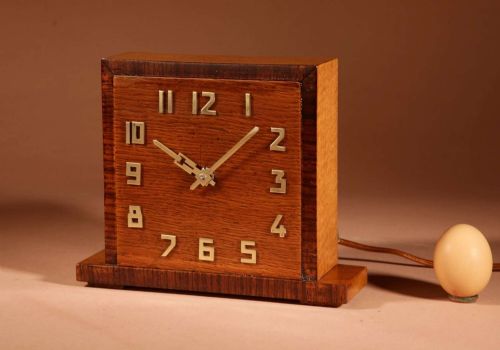
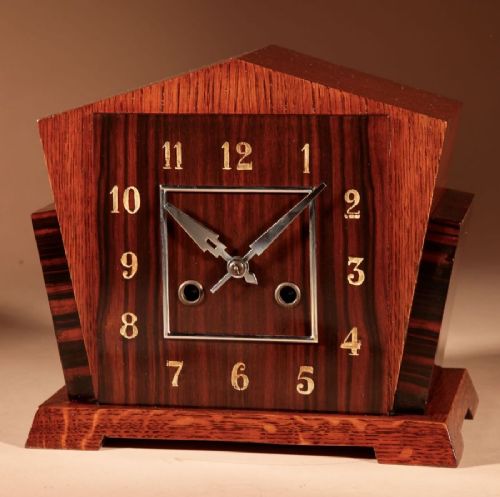
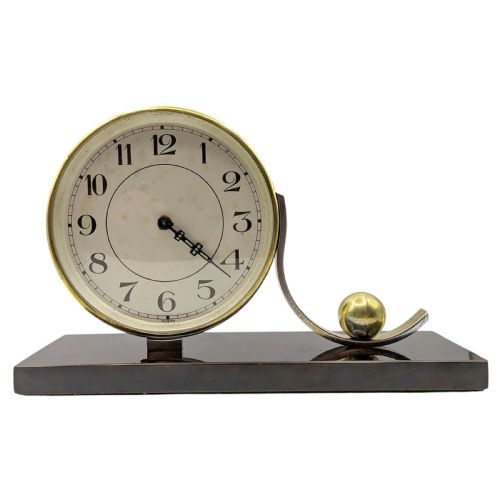
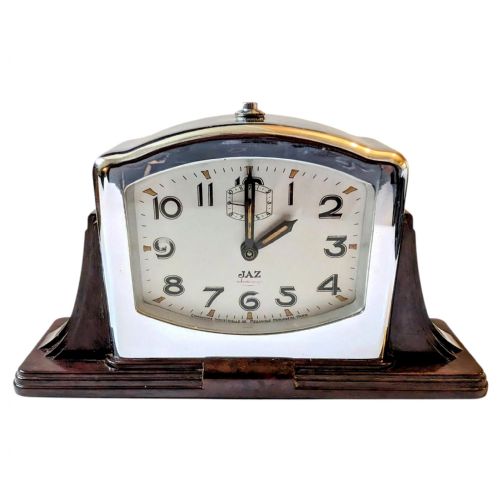
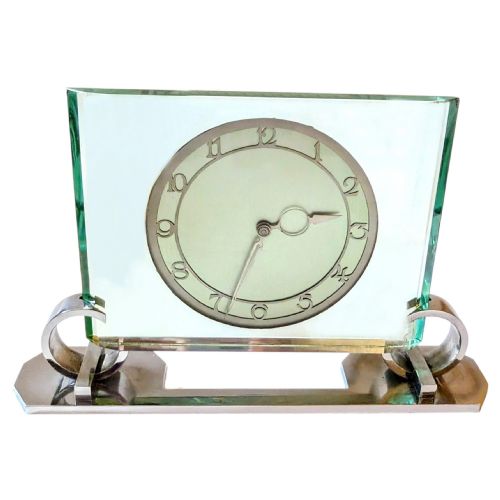
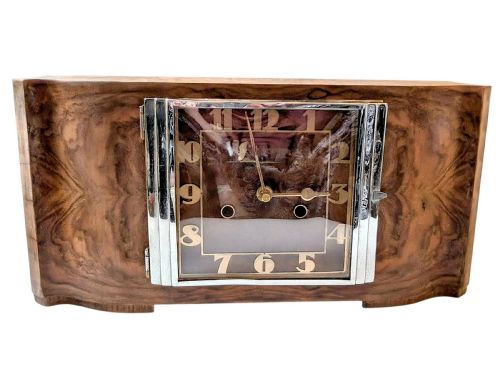
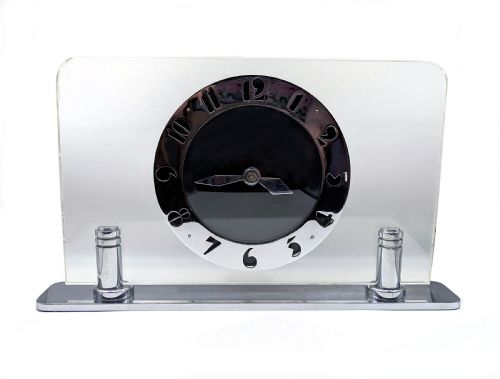
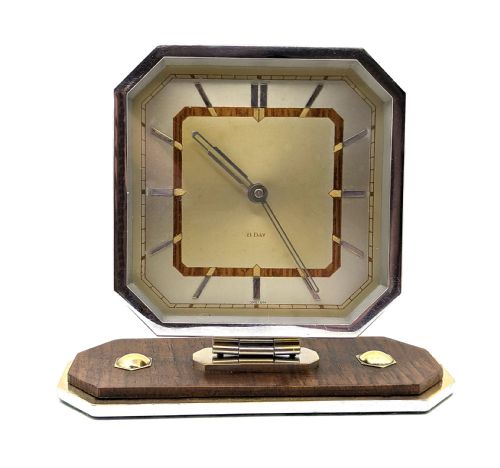
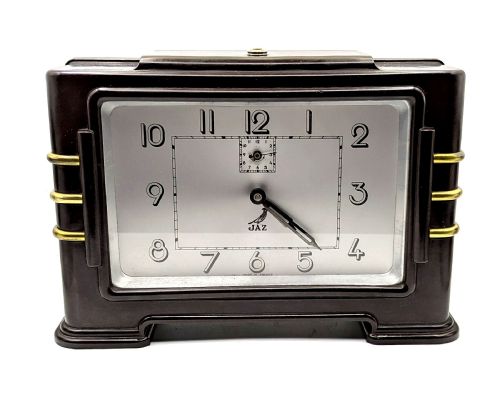
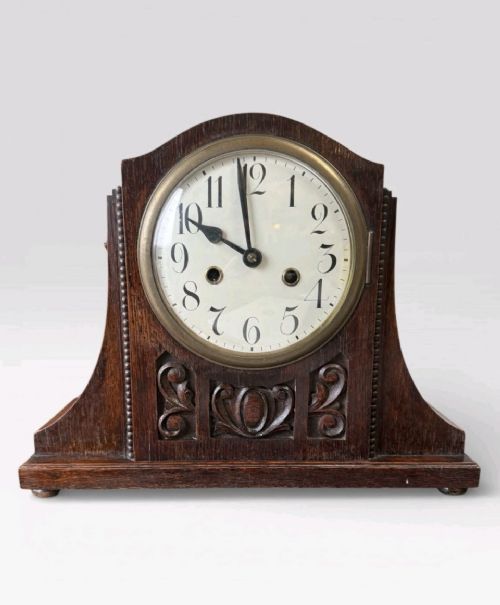
A 1930s table clock brings Art Deco design directly into a domestic interior, functioning as a practical timepiece and a decorative object. These pieces appear as mantel clocks, desk clocks, travel clocks, and alarm clocks.
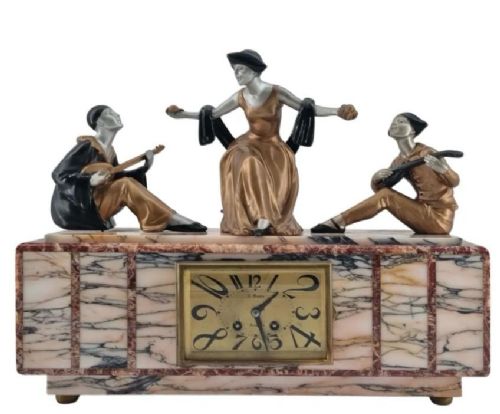
The objects seen here originate from the 1920 and 1930 periods, showing the characteristic clean lines and geometric influences of Art Deco style. English and French makers dominate the selection.
The most common formats on this page are mantel clocks and desk clocks designed for domestic display. Collectors find both compact travel pieces and larger statement pieces.
How these items were constructed
Makers utilised chrome-plated metal, brass, bronze, and spelter to build sturdy frameworks and cases. Glass and mirror glass elements, including peach mirror glass, provide reflective surfaces characteristic of the period.
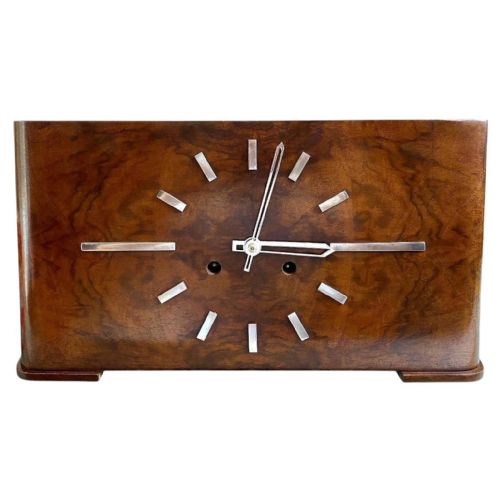
Walnut timber appears alongside metal structures, providing a warm contrast to the polished chrome and glass surfaces. Movements vary from standard mechanisms to eight-day systems.
Retail Price Guide 2026
Typical UK retail prices for 1930s table clock, calculated from the Sellingantiques database of over a million retail prices indexed since 2003. This retail price guide relies exclusively on Sellingantiques data; no external sources or auction records are used, so the figures do not describe the wider market.
Listings feature items from the 1920 and 1930 periods executed entirely in the Art Deco style.
What separates tiers of quality
The distinction between standard items and superior examples rests upon the reputation of the maker and the refinement of the materials. Pieces bearing signatures from established retailers or specialist watchmakers command greater attention.
Material combination also drives the hierarchy, where complex assemblies of peach mirror glass, walnut, and heavy chrome plating demonstrate greater ambition than plain metal cases.
Jaeger·Smiths Clock Company·Mappin and Webb·Harrods of London·Asprey·Bayard
The 1930s Table Clock Glossary
- Art Deco
- A design style characterised by sleek geometric shapes, streamlined forms, and modern industrial materials that emerged in the early twentieth century.
- Mirror glass
- A reflective glass panel utilised in clock cases to catch and refract light across the dial and surrounding frame.
- Spelter
- A zinc alloy frequently cast into ornamental figures and decorative housings before receiving a bronze or metallic finish.
- Eight day
- A mechanical movement engineered to run for eight days on a single winding, offering greater convenience than standard daily movements.
Frequently Asked Questions
Where should I place a 1930s table clock?
These clocks suit prominent positions on mantelpieces, desks, and side tables where their geometric forms remain visible.
Ensure the surface is level and stable to support the weight of metal and glass cases.
How do I wind an eight day clock?
Use the designated key to turn the arbour gently until resistance indicates full tension.
Avoid over-winding, as this places unnecessary stress on the vintage mainspring.
Are these clocks suitable for daily use?
Many examples remain functional and can keep accurate time with proper care.
Treat mechanical movements with respect given their age and delicate internal components.
What materials define the Art Deco style here?
Chrome-plated metal, peach mirror glass, polished walnut, and bronze form the primary visual vocabulary.
These substances reflect the machine age aesthetic popular during the nineteen thirties.