



1930s Mirror
A 1930s mirror brings distinct geometric lines and reflective depth into a room, capturing the clean elegance of mid-century design.
1930s Mirror
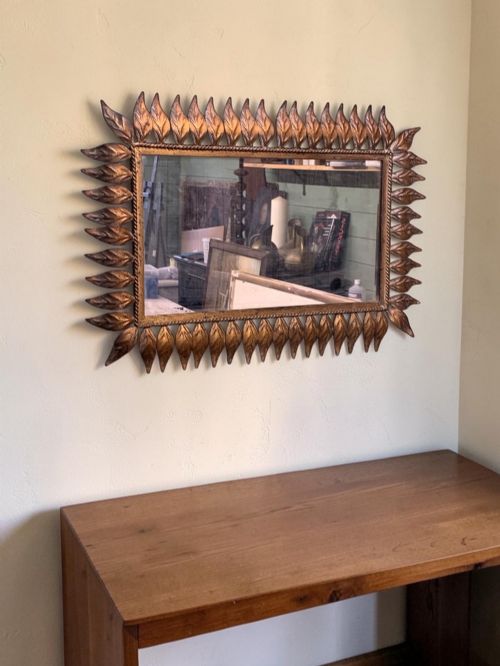
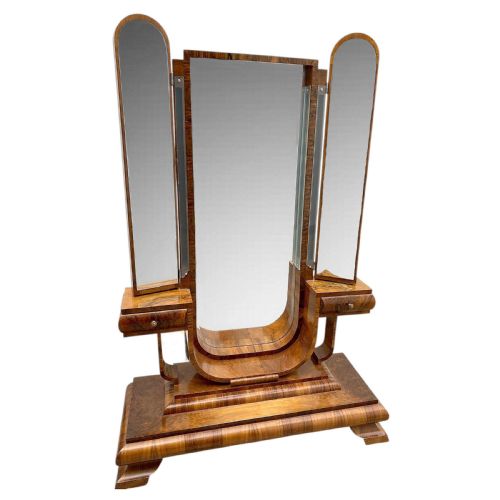
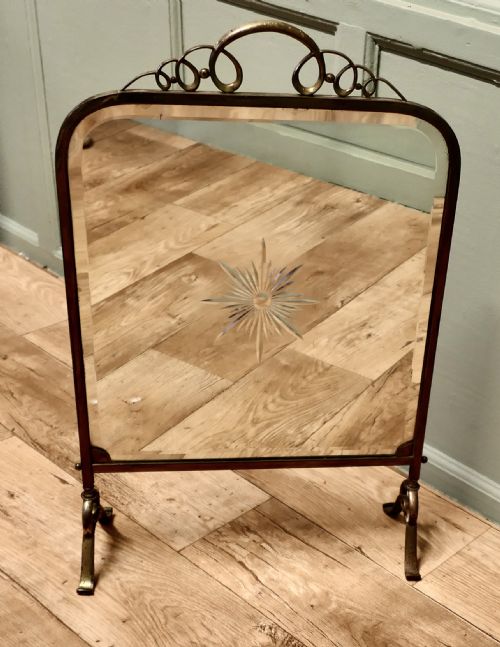
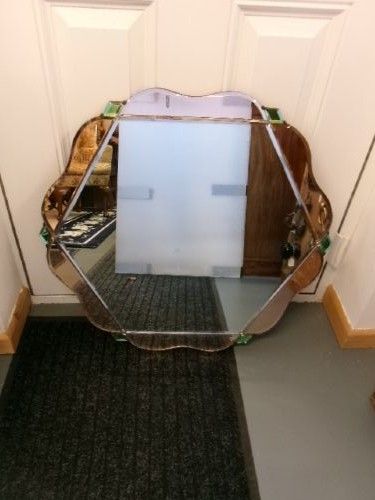
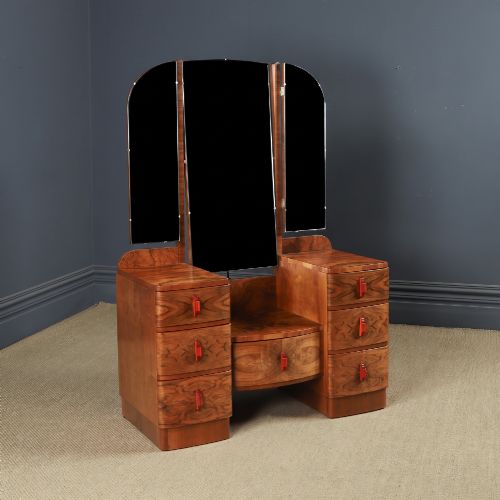
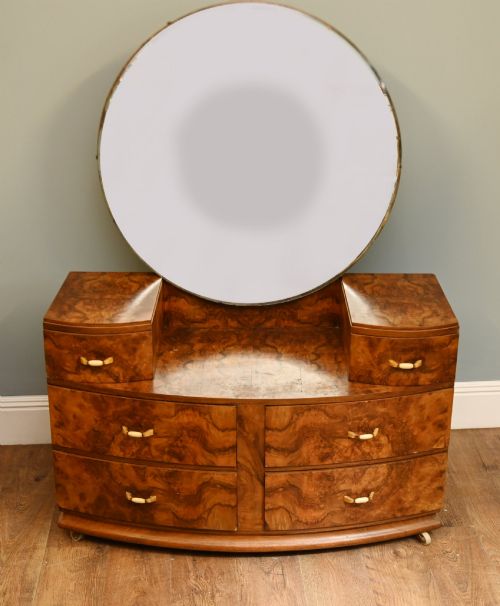
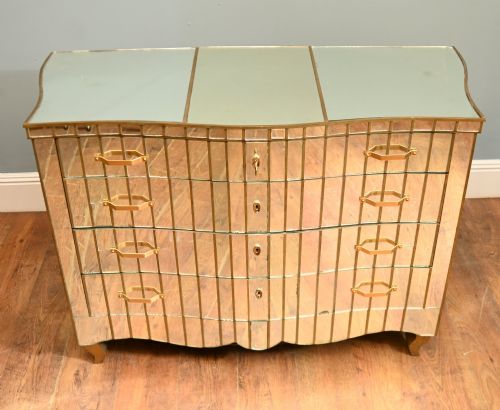
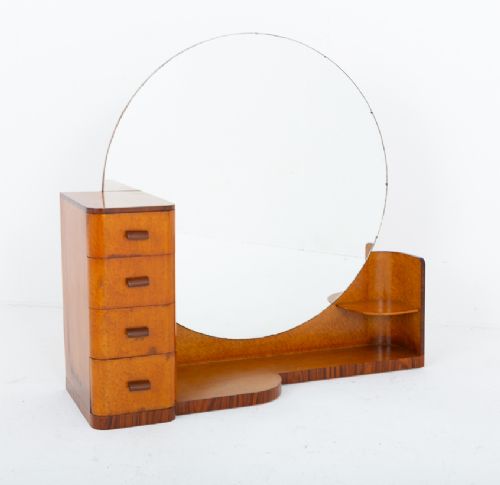
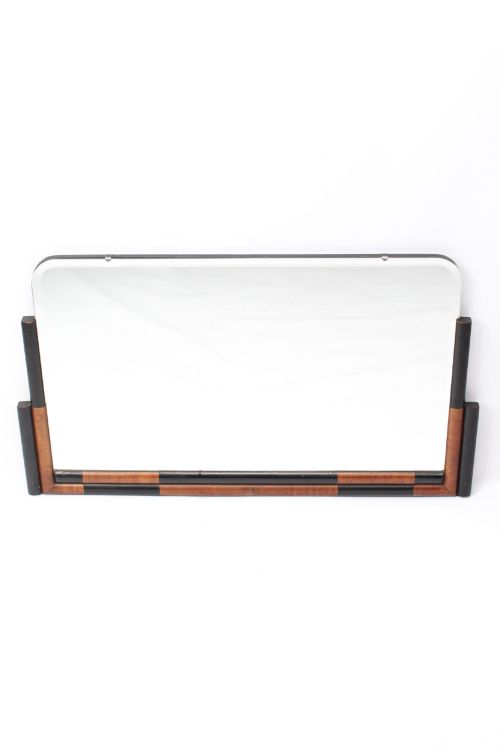
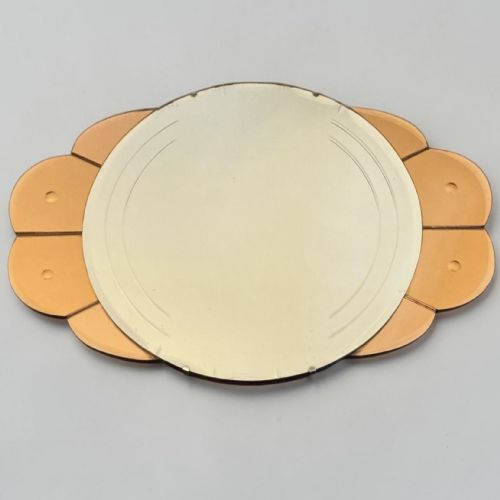
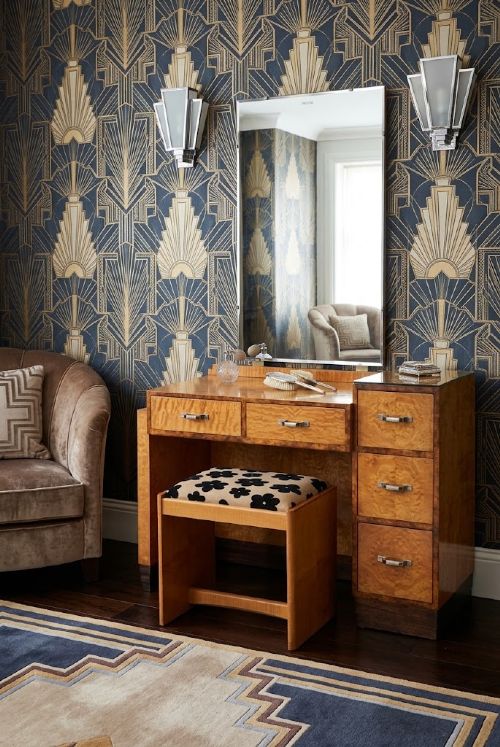
When someone searches for a 1930s mirror, they encounter wall-hanging glass, dressing table attachments, and overmantle pieces shaped by the prevailing aesthetic of the era. Art Deco styling dominates these forms, often incorporating peach-tinted glass, emerald green glass panels, and sunburst motifs.
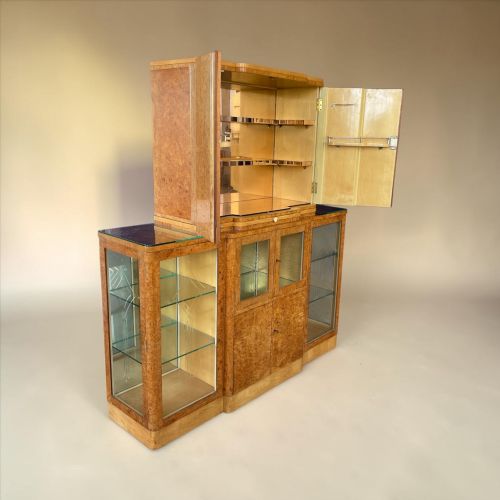
Beyond standalone wall mirrors, the category encompasses mirrored glass trays, compact purse mirrors, and fire screens with reflective surfaces. Many of these items pair glass with polished wood veneers like burr walnut and bird's-eye maple, or integrate metals such as chrome and brass.
While most examples date firmly from the interwar decades, related pieces stretch from Victorian revivals through to mid-century modern interpretations. Buyers meet everything from simple frameless bevelled glass plates to elaborate multi-tone compositions featuring figurative metalwork or ebonised details.
How they were made
The construction of these pieces relies on combining sheet glass with structural timber frameworks or metal mounts. Wood elements frequently utilise burr walnut, maple, or oak veneers applied to solid cores, creating rich grain patterns that frame the reflective plate.
Metalwork plays a structural and decorative role, with chrome, brass, and spelter shaped into stands, frames, and figural accents. Glass panes are routinely bevelled at the edges, and specialised variations introduce coloured glass sections, such as peach or green panels, alongside guilloche enamel details.
1930s Mirror Retail Price Guide 2026
Typical asking prices for 1930s mirror among the pieces listed under this phrase on Sellingantiques today, from the lower quarter to the upper quarter. They describe what is for sale here now, not the wider market.
Listings feature items spanning the 1910s to the 1950s, with walnut, chrome, and brass dominating the material palette.
What varies in quality
The distinction between standard production and top-tier execution rests on the sophistication of the materials and the precision of the assembly. Finer examples display carefully matched burl veneers, substantial weight in their metal components, and complex multi-tone glass arrangements rather than simple stamped sheet frames.
Attribution to known designers or workshops elevates certain pieces, distinguishing generic commercial output from items bearing distinct sculptural figures or bespoke architectural lines. The integrity of the silvering behind the glass and the crispness of any bevel cuts also mark the division between ordinary and exceptional specimens.
Heals·Maurice Adams·Harry and Lou Epstein·Smiths Clock Company·Henry Williamson
The 1930s Mirror Glossary
- Art Deco
- A design style prevalent in the 1920s and 1930s characterised by sleek geometric shapes, stylised motifs, and modern industrial materials. It replaced the flowing curves of earlier periods with sharp angles and symmetry.
- Burr Walnut
- A timber harvested from the wart-like growths on walnut trees, yielding intricate, swirling grain patterns highly prized for cabinet fronts and mirror surrounds. Craftsmen slice it into thin veneers to display the complex figure.
- Bevelled
- A glass edge cut and polished to an angle shallower than ninety degrees, creating a slanted perimeter that catches the light. This technique adds depth and a finished appearance to wall and dressing table mirrors.
- Guilloche
- A decorative technique where a precise, intricate geometric pattern is mechanically engraved into a metal surface. It frequently appears beneath translucent enamel on small personal accessories like compacts and purse mirrors.
- Spelter
- An alloy of zinc and other metals cast into decorative figures and mounts, often given a bronze or painted finish. It serves as an accessible alternative to solid bronze in ornamental fittings.
1930s Mirror: Frequently Asked Questions
How do I identify a genuine 1930s mirror?
Authentic pieces typically display construction methods consistent with the period, such as heavy timber backing boards, copper-backed silvering on older glass plates, and characteristic Art Deco geometric framing. Examining the joinery and hardware helps confirm the date.
Makers' marks, labels, or attribution to known workshops like Heals or the Epstein brothers also provide reliable indicators of period origin.
Where should I hang a peach glass mirror?
Peach-tinted glass functions well in living spaces and hallways where warm, subdued light enhances the decorative colour of the glass panels. Avoid placing them in areas of direct, harsh sunlight that might wash out the subtle hues.
These pieces often serve as focal points above mantelpieces or sideboards, echoing the warm tones of walnut and brass furnishings.
Can I use a dressing table mirror on the wall?
Dressing table mirrors are usually built with integrated wooden or metal stands and pivoting hinges designed for tabletop stability. Converting them for wall mounting requires removing the original base and attaching secure hanging brackets.
Consider the weight and balance of the frame before attempting any structural alterations to ensure the glass hangs safely.
What is the difference between French and English Art Deco?
French Art Deco pieces frequently employ more extravagant materials, exotic woods, and sculptural figurative elements, reflecting a luxurious studio tradition. English production often balances decorative flair with domestic practicality, favouring utility combined with clean modern lines.
Both traditions share a reliance on geometric symmetry, but French examples lean towards high-end artisanal craftsmanship.