




1930s Maple Furniture
These pieces of 1930s maple furniture combine striking Art Deco forms with warm, figured veneers to bring genuine period character to a modern interior.

1930s Maple Furniture
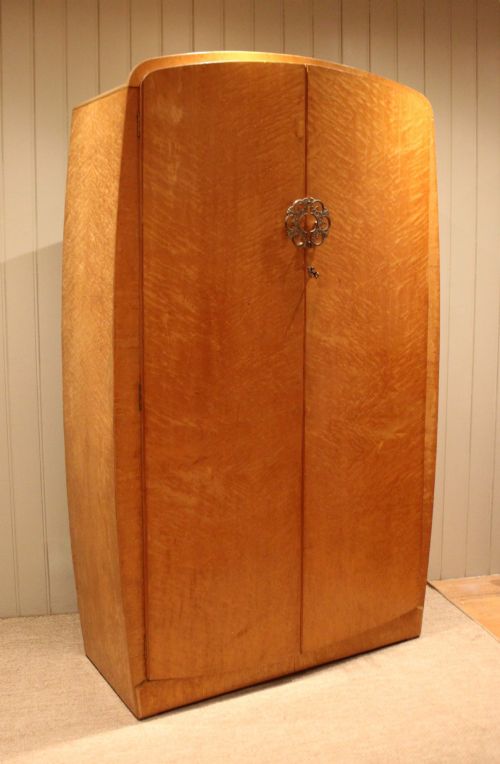
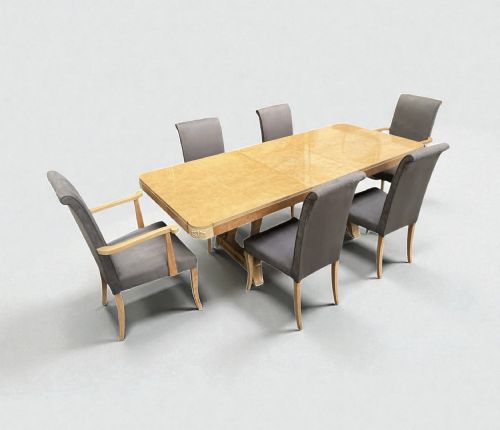
When you search for 1930s maple furniture, you encounter substantial bedroom and dining pieces shaped by the design movements of the interwar decades. The selection relies heavily on Art Deco and Swedish Grace aesthetics, capturing a period of bold geometric lines and streamlined silhouettes.
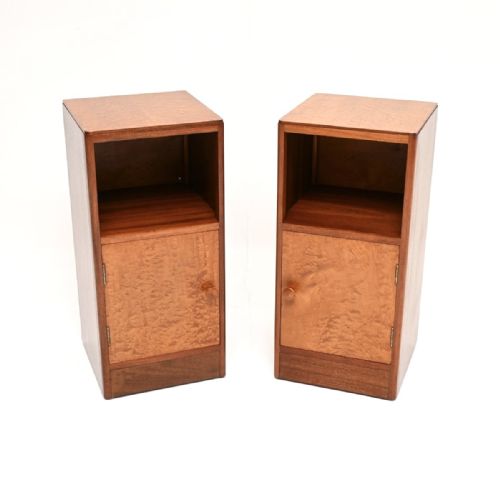
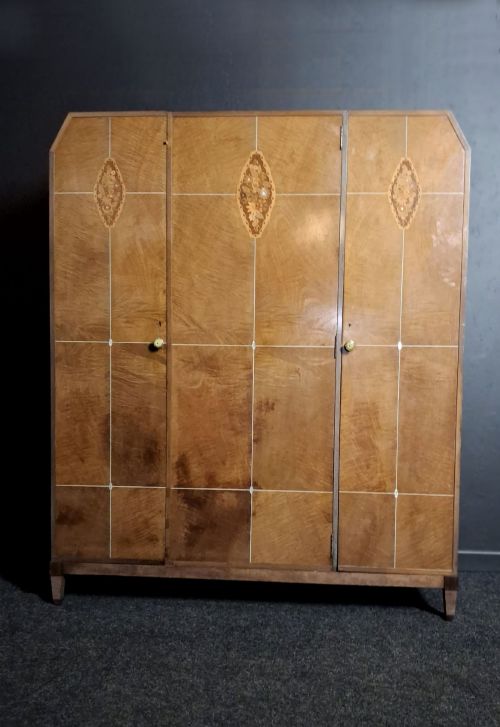
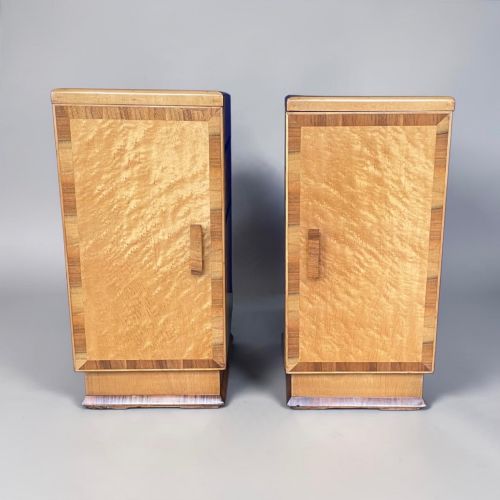
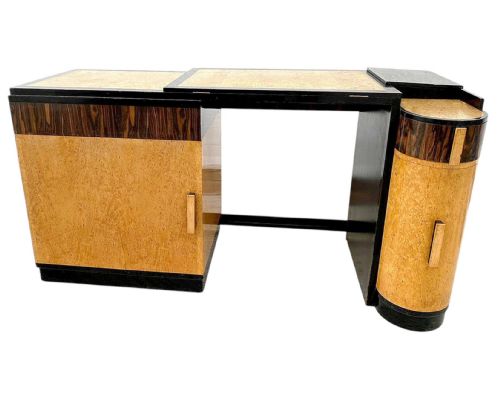
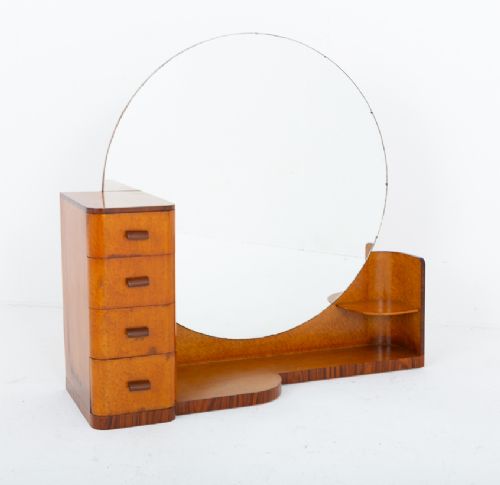
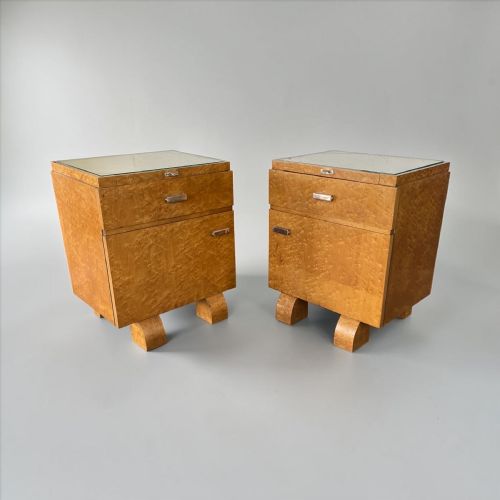
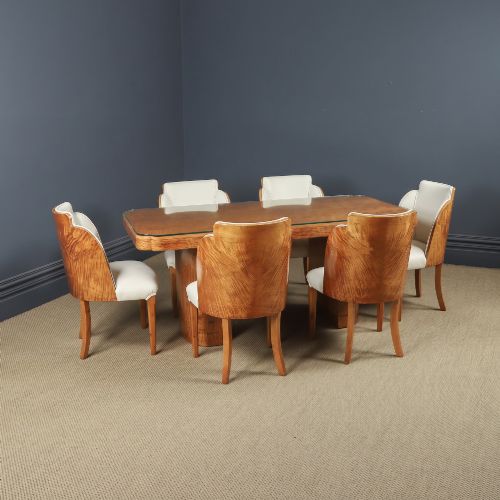
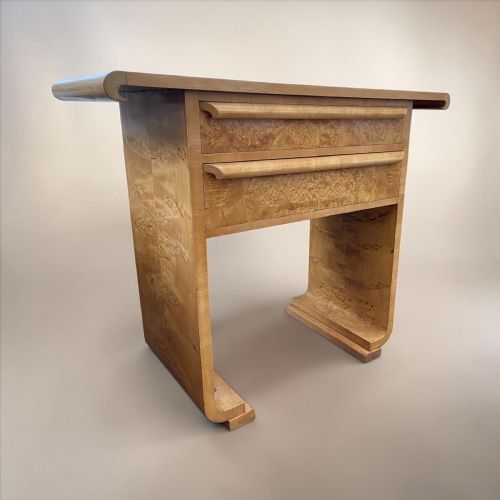
You meet complete dining suites, double beds with integral cabinets, triple wardrobes, and pairs of bedside cabinets alongside occasional pieces such as console tables and nesting tables. Blonde birds eye maple and burr maple dominate the offerings, often contrasted with darker timbers.
The objects stem predominantly from the 1930 year mark, with occasional examples recorded from adjacent decades, representing the height of British and European cabinet making between the wars.
How they were made
Cabinet makers of this era utilised solid timber frames as a stable base for highly figured veneers, particularly birds eye maple and burr maple. These decorative veneers were carefully matched and laid across large surfaces like wardrobe doors and dressing table tops to create symmetrical patterns.
Designers incorporated contrasting secondary materials such as walnut, satinwood, and rosewood to frame the pale maple, while glass, brass fittings, and leather upholstery completed functional pieces like dining chairs and serving tables.
1930s Maple Furniture Retail Price Guide 2026
Typical asking prices for 1930s maple furniture among the pieces listed under this phrase on Sellingantiques today, from the lower quarter to the upper quarter. They describe what is for sale here now, not the wider market.
Several beds arrive with built-in bedside cabinets, proving that interwar designers invented the ultimate breakfast-in-bed command centre.
What varies in quality
The distinction between standard commercial output and the finest workshop pieces rests on the choice of veneer and the precision of its layout. Master makers selected intensely figured birds eye or burr maple and arranged the grain carefully across large, curved surfaces.
Construction standards appear in the integration of fittings, such as built-in bedside cabinets attached to bed frames and the solid weight of wardrobes and dining tables by prominent makers. The handling of secondary woods like walnut and the quality of brass hardware further separate standard items from high-end commissions.
Fortnum and Mason·Hille Furniture Company·Harry and Lou Epstein
The 1930s Maple Furniture Glossary
- Birds Eye Maple
- A figure in maple wood where the grain swirls around small spots to resemble birds eyes. This decorative effect is highly prized on Art Deco wardrobe doors and bedside tables.
- Art Deco
- A design style of the 1920s and 1930s characterised by streamlined forms, geometric patterns, and modern industrial materials. It dominates the wardrobe and dining suite designs of this period.
- Burr Maple
- A growth on a maple tree that produces intricate and distorted grain patterns when sliced into veneer. Cabinet makers used it to create rich visual texture on dining tables and cabinets.
- Swedish Grace
- A refined classicist style popular in Scandinavia during the 1920s and 1930s that influenced clean lines in European furniture design. It appears in the simpler dressing tables of the period.
- Tallboy
- A tall chest of drawers standing upright, combining the capacity of a wardrobe base with a compact floor footprint. These units utilise blonde maple veneers to lighten their visual weight.
1930s Maple Furniture: Frequently Asked Questions
What defines 1930s maple furniture?
These pieces are defined by their use of pale maple veneers, particularly birds eye and burr varieties, shaped into geometric Art Deco forms. They reflect the modernism of the interwar period through clean architectural lines and coordinated bedroom or dining suites.
Makers combined the light maple with darker woods like walnut and rosewood to create contrast. The resulting items range from compact bedside cabinets to large triple wardrobes and dining tables.
How do I care for maple furniture?
Keep these items out of direct sunlight to prevent the blonde maple veneer from darkening or fading over time. Maintain a stable room temperature to protect the underlying timber and delicate veneer joints from drying out.
Dust regularly with a dry cloth and avoid chemical polishes that can damage the vintage French polish or lacquer finishes. Treat leather inserts on dining furniture with appropriate conditioners.
How do I identify Art Deco pieces?
Look for symmetrical veneers, stepped skyscraper profiles, and rounded corners that emulate ocean liner architecture. These characteristics appear strongly in beds with integral cabinets and matching dressing tables.
The use of blonde birds eye maple paired with dark contrasting bandings points directly to the aesthetic of the decade. Signature forms include nests of tables and Odeon-style double beds.
Were these pieces made as sets?
Many dining tables were produced alongside matching sets of leather-upholstered chairs, and bedroom pieces often came as unified suites with wardrobes, dressing tables, and beds. Matching pairs of bedside cabinets frequently accompanied large double beds.
Individual items also emerged from workshops as standalone occasional pieces, such as console tables, serving tables, and side chairs designed by prominent cabinet makers.