



1930s Lady Figurine
A 1930s lady figurine brings the energetic elegance of the Art Deco period straight to a mantelpiece or desk.
1930s Lady Figurine
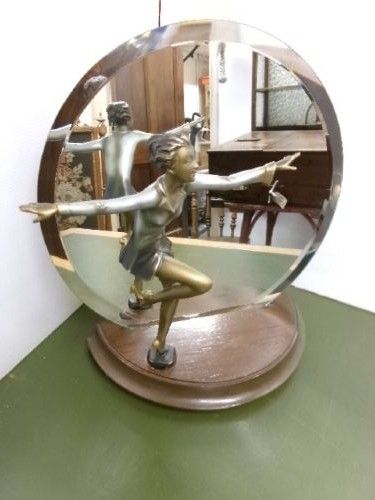
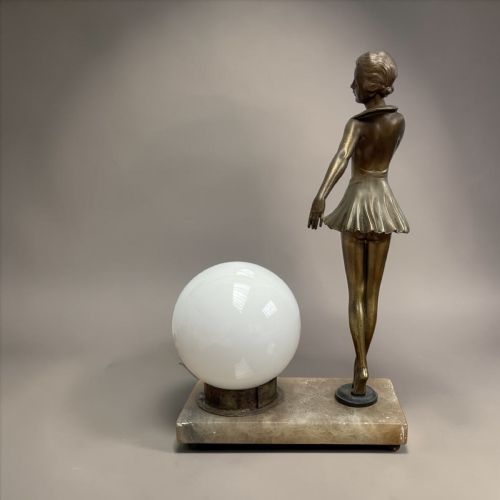
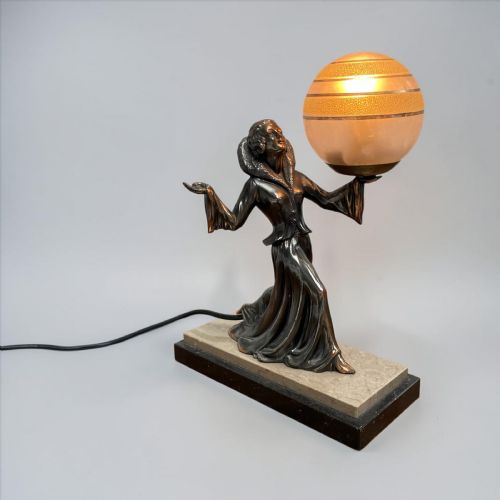
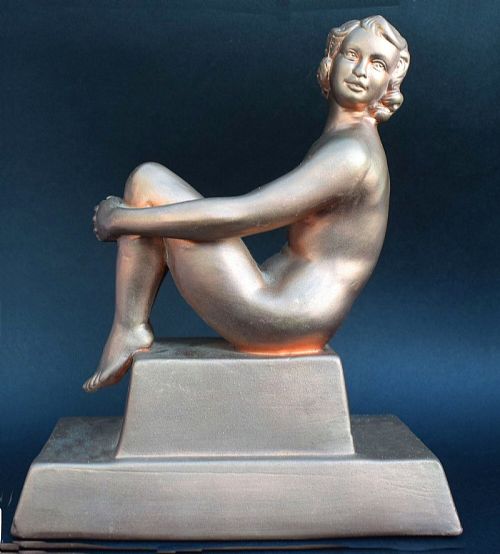
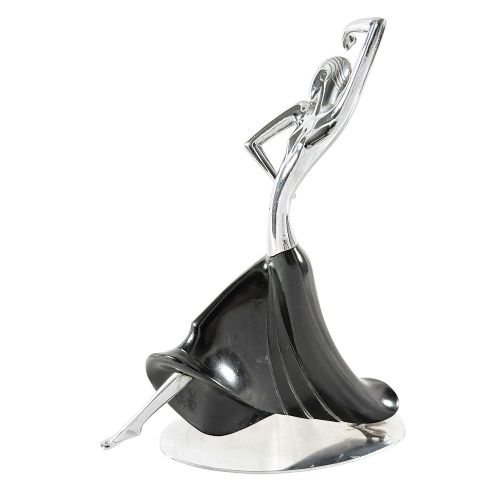
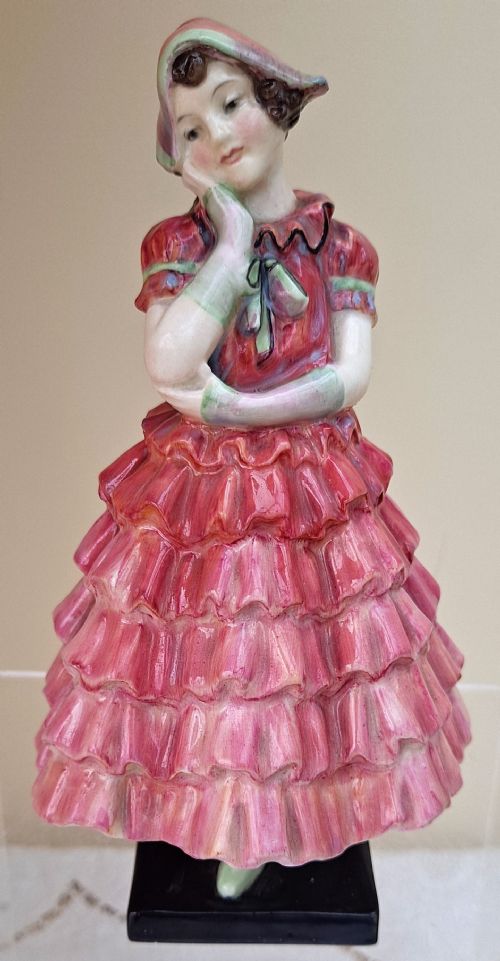
A 1930s lady figurine captures the distinct aesthetic of the interwar years, spanning the 1920s and 1930s periods. These pieces take various forms, appearing as standalone sculptures, functional table lamps, and powder box lids.
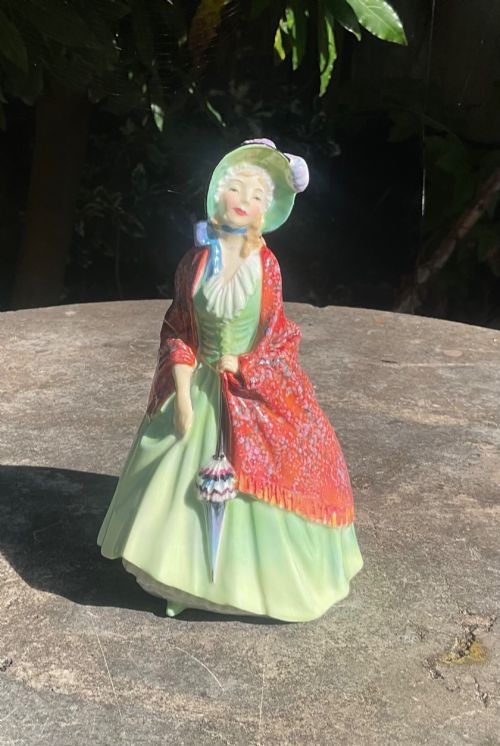
The objects frequently depict dancers, flapper girls, and bathing belles in characteristic Art Deco styles. Originating from workshops across England, France, and Germany, the assortment includes both ceramic dresser items and metal figures mounted on stone bases.
Materials and construction
Makers utilised a diverse range of media, combining spelter, patinated metal, and chrome plate with heavy stone mounts like onyx, marble, and alabaster. Metal figures often received hand-painted details to accentuate the clothing and hair of the period.
Ceramic and porcelain versions involved moulding and glazing, occasionally incorporating intricate half-doll designs for powder bowls and trinket boxes. Glass and chryselephantine techniques also appear, demonstrating the varied craftsmanship of European studios.
Listings feature Art Deco styles primarily from the 1920 and 1930 periods, executed in ceramic, spelter, marble, and onyx.
Assessing quality and execution
Signed works and pieces associated with known designers or specific European factories carry distinct artistic merit. The harmony between the figure and its functional base, whether a lamp or a trinket box, dictates the overall success of the piece.
Demetre Chiparus·Geo Maxim·Joseph Lorenzl·Royal Doulton·Limoges
The 1930s Lady Figurine Glossary
- Spelter
- A zinc alloy commonly utilised as a base metal for affordable decorative figures during the early twentieth century. It was frequently painted or patinated to resemble bronze.
- Chryselephantine
- A term describing statues made from a combination of bronze and ivory. In this context, it often denotes figures with metal garments and carved ivory faces and hands.
- Bonbonniere
- A small decorative jar or box designed to hold sweets or confectionery. Many examples from this era double as powder bowls with a female figure forming the lid.
- Flapper
- A cultural archetype of young women in the 1920s and 1930s who wore short skirts and bobbed hair. They are a frequent subject for figurines and trinket boxes of the period.
- Alabaster
- A fine-grained, translucent stone used extensively for bases and pedestals. It provides a heavy, stable foundation for metal sculptures and lamps.
1930s Lady Figurine: Frequently Asked Questions
How were powder boxes used?
Powder boxes and trinket boxes served a practical purpose on dressing tables during the interwar decades. The lady figurine typically acted as the handle or lid of the ceramic bowl.
Owners stored cosmetics, hairpins, or small trinkets inside these lidded ceramic vessels while displaying the sculpture on a vanity.
Are these items strictly decorative?
While many pieces exist purely as sculptures or figurines, several designs incorporated practical functions. Some figures form the stems of table lamps, while others hold match strikers or act as hat pin holders.
Buyers select these items based on whether they want a standalone display object or a functional accessory.
Where were these figures manufactured?
Production took place across various European centres, with significant contributions from artists and factories in England, France, and Germany. French and German foundries produced many of the metal and ceramic works.
English potteries also contributed substantial porcelain production during the same timeframe.