




1930s Glass Bottle
These pieces range from geometric dressing table scent phials to heavy crystal decanters.
1930s Glass Bottle
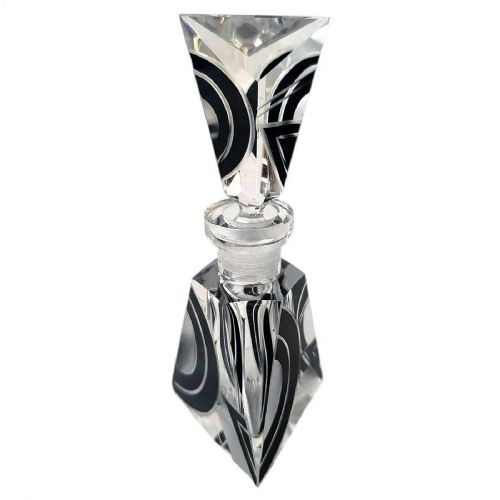
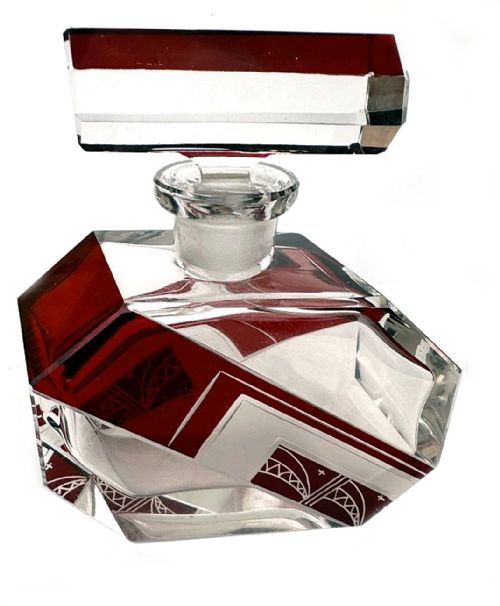
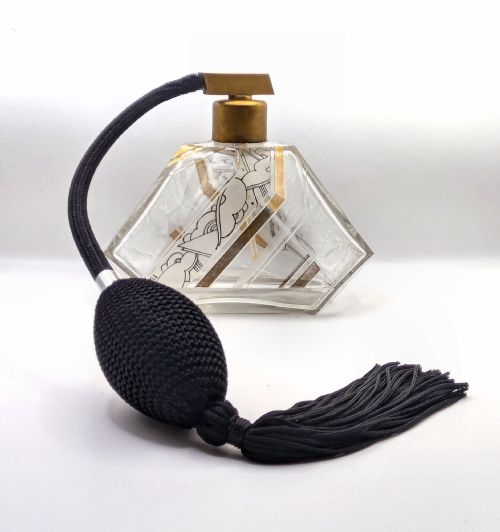
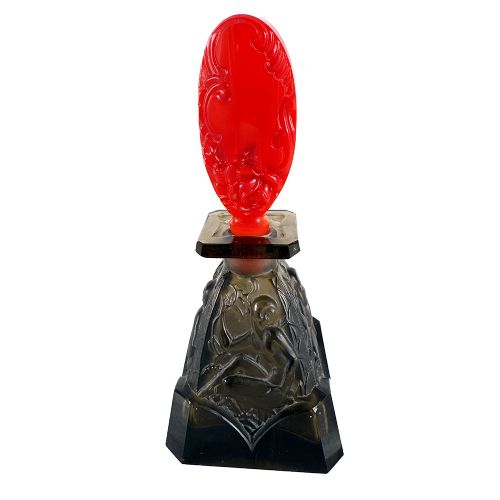
A 1930s glass bottle encompasses a variety of domestic and decorative vessels, most commonly seen on this page as dressing table perfume atomisers, scent phials, and barware decanters. The majority of these objects originate from Czech workshops and English makers, heavily influenced by the prevailing geometric trends of the period.
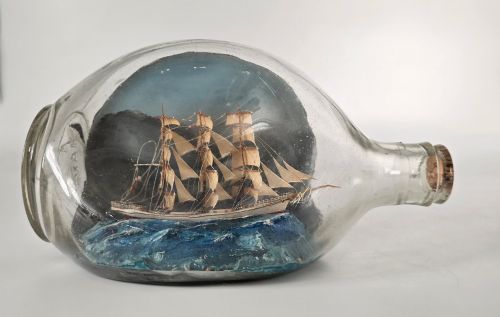
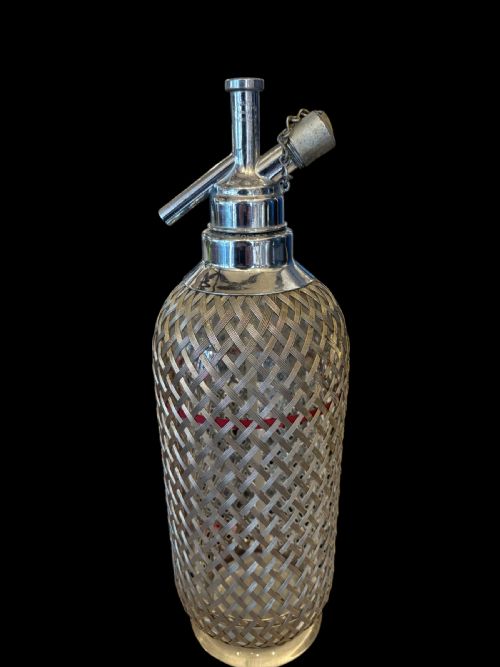
Alongside dressing table items, buyers encounter maritime folk art, including detailed model ships housed entirely within glass vessels. Decanter sets and soda syphons also appear, reflecting the social habits of the decade.
The aesthetic is dominated by the linear forms and stylised motifs associated with the era, often combining clear or coloured crystal with contrasting metal mounts.
How they were made
Makers utilised free-blowing, mould-pressing, and heavy lead crystal cutting to achieve sharp geometric facets and complex silhouettes. Opalescent and coloured glass bodies were frequently achieved through specific chemical additives during the melting process.
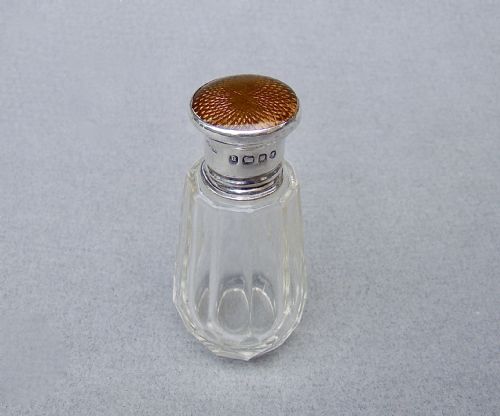
Metal components, such as atomiser hardware, collars, and hinged lids, were cast in chrome or sterling silver, sometimes embellished with vibrant enamel or guilloche patterning. Fabric components occasionally formed part of the pump mechanisms on functional spray bottles.
Listings feature items spanning the years 1920 to 1940, with the vast majority originating from the central decade.
What varies in quality
The distinction between standard commercial output and superior examples lies in the depth and precision of the hand-cut facets on the crystal, alongside the weight and clarity of the glass itself. Pieces retaining their original functional hardware, such as intact atomiser bulbs and matching stoppers, command greater appreciation.
Attribution to known designers or workshops through signatures or distinct design traits elevates certain pieces above anonymous factory production. The integration of precious metals and finely applied enamel work further divides the decorative scale.
Karl Palda·Henry Perkins·Rene Lalique·Rudolf Hlousek·Goldsmith's and Silversmith's Co.
The 1930s Glass Bottle Glossary
- Atomiser
- A spray mechanism fitted to a perfume bottle, typically utilising a rubber bulb and metal tubing to disperse liquid in a fine mist.
- Guilloche
- An intricate mechanical engraving technique producing precise, repeating geometric patterns beneath a translucent layer of enamel.
- Tantalus
- A locking wooden frame designed to secure decanters while allowing their contents to remain visible.
- Soda syphon
- A pressurised glass bottle used for dispensing carbonated water, frequently encased in a metal mesh or mount.
- Opalescent glass
- A semi-translucent material that displays milky or pearlescent highlights, particularly when viewed against changing light.
1930s Glass Bottle: Frequently Asked Questions
How do I identify a genuine period atomiser?
Authentic pieces generally display the heavier glass weights and characteristic colour palettes typical of the decade, such as amber, peach, and deep blue. Look for the integration of solid silver mounts and traditional manufacturing seams rather than modern lightweight substitutes.
Examining the metal hardware and collar hallmarks often reveals maker marks or assay office stamps that confirm the decade of production.
Were these bottles meant for display or use?
Most perfume phials and atomisers were created for daily use on dressing tables, serving both a functional role and a decorative one as part of a matching vanity set.
Larger decanters and barware items were actively utilised in dining and entertaining contexts, which explains why complete sets with matching glasses occasionally survive together.
How should I clean antique glass and silver?
Warm water and a mild detergent are generally sufficient for clearing dust from the interior of glass vessels without risking damage to historic surfaces. Avoid submerging items with vintage rubber pump mechanisms or fragile enamel work.
Silver mounts respond well to gentle polishing with a soft cloth, keeping cleaning compounds away from the surrounding glass and enamel panels.
What distinguishes Czech glass from English pieces?
Bohemian and Czech production often leans towards more experimental moulded forms, striking colour combinations, and extensive use of acid-staining or geometric cutting. English examples frequently favour heavy lead crystal paired with sterling silver collars and traditional cut-glass patterns.
Design signatures and export marks stamped into the metal or etched into the base frequently help separate the continental workshops from domestic manufacturing.