


French Vanity Bottle
A french vanity bottle brings the dressing table elegance of past centuries into modern rooms through glass and precious metal.
French Vanity Bottle
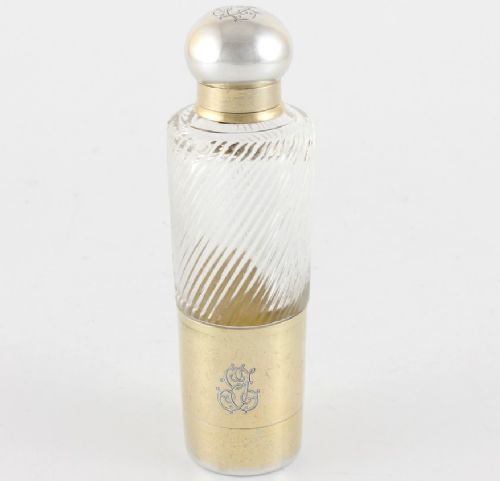
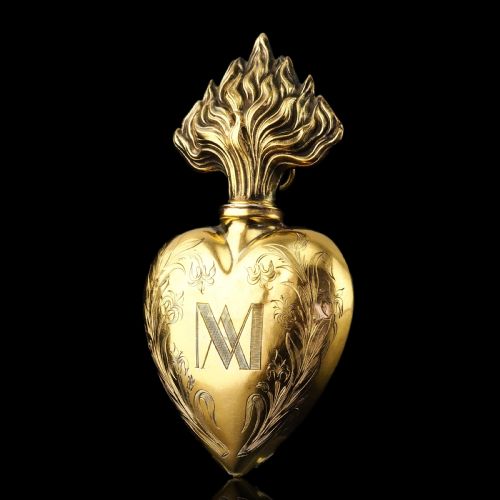
A french vanity bottle encompasses scent flasks, perfume atomisers, dressing table jars, and fitted caskets designed to hold personal fragrances and cosmetics. These containers served dressing rooms during the nineteenth and early twentieth centuries, spanning periods from the Charles X era through Art Deco.
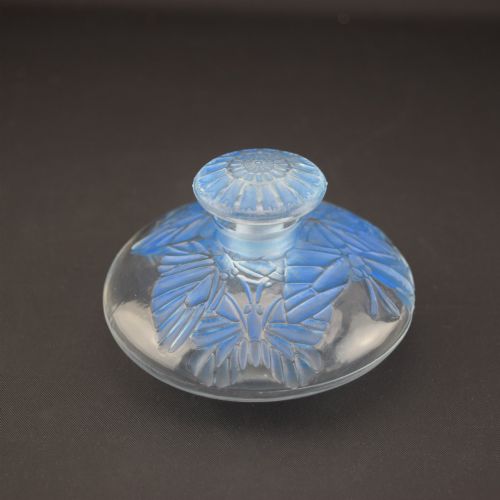
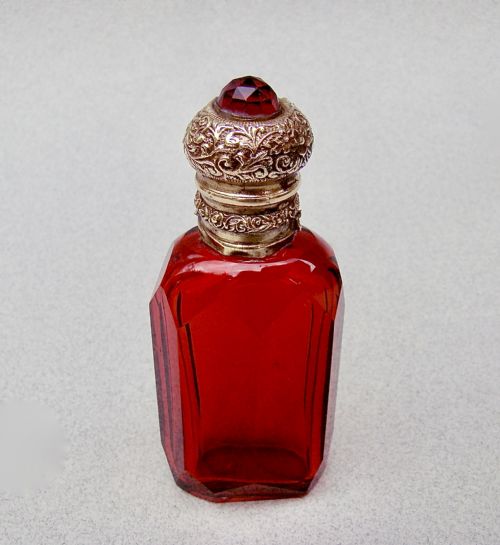
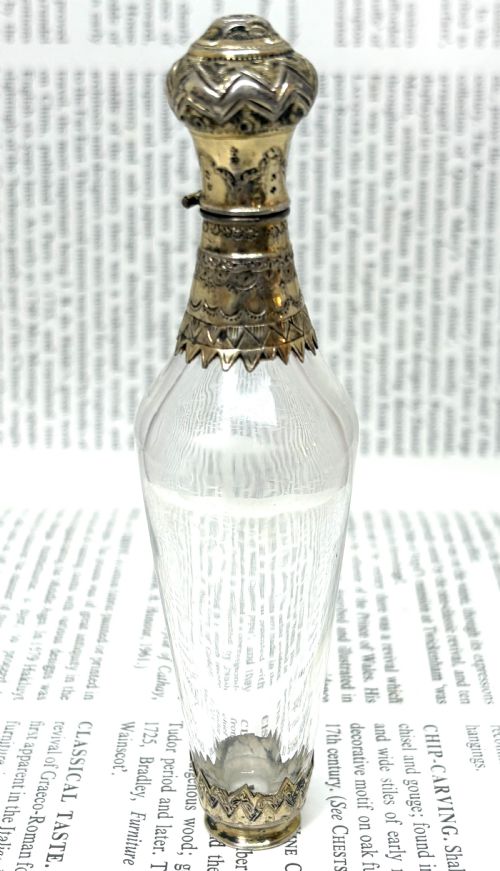
The versions most commonly met on this page include nineteenth-century glass flasks with silver or gilt mountings and 1920s opalescent glass pieces. Makers produced both standalone bottles and multi-bottle caskets housed in leather or carved wood boxes.
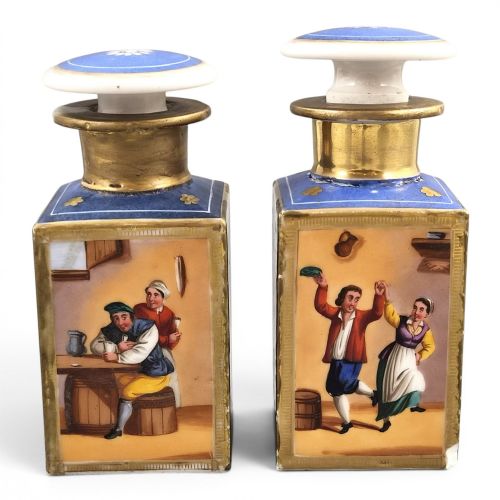
Many examples combine functional glass reservoirs with decorative elements such as pill boxes, atomiser hardware, or hand-painted scenes. Their survival reflects the importance of personal grooming customs in historical French households.
Materials and Construction
Glass forms the primary body of these vessels, utilising techniques such as cutting, overlay, frosting, and opalescent moulding. Makers like René Lalique and Sabino worked extensively in moulded glass, while earlier pieces utilised Clichy glass, cranberry glass, ruby glass, and amethyst glass.
Metal mounts incorporate sterling silver, silver gilt, ormolu, and brass, often decorated with engine-turned guilloche enamel or embossed designs. Artisans joined these metal collars and caps directly to the glass necks to secure stoppers and atomiser mechanisms.
Auxiliary materials include gold leaf for highlights, carved fruitwood for storage caskets, and embossed leather for fitted cases. These mixed-media objects required collaboration between glasshouses and metalworkers.
Butterflies, beetles, and floral motifs flutter across the glass, proving that even a nineteenth-century dressing table enjoyed a healthy dose of wildlife.
Distinctions in Quality
Quality rests on the integrity of the glass moulding, the precision of the metal mounts, and the presence of original stoppers or atomiser hardware. Crisp details in moulded motifs, particularly on pieces bearing maker signatures, distinguish superior workshops from standard production.
The refinement of decorative details, such as hand-applied gold leaf, guilloche enamel work, and finely chased silver gilt, elevates an object. Complete sets housed within their original fitted leather caskets or wooden boxes demonstrate higher original status.
Rene Lalique·Jacob Petit·Sabino·Tonnel Paris
The French Vanity Bottle Glossary
- Opalescent Glass
- Glass that diffuses light to display a milky, bluish, or amber glow. This effect became prominent in twentieth-century Art Deco pieces.
- Guilloche Enamel
- Decorative metalwork covered in translucent enamel over an engine-turned pattern. It frequently appears on early twentieth-century bottle caps and compacts.
- Ormolu
- Gilded bronze used for mounts, feet, and decorative hardware on nineteenth-century vessels. The technique involves applying a gold amalgam to bronze.
- Etui
- A small ornamental case used to hold needles, cosmetics, or small personal items. These often accompany dressing table sets.
- Clichy Glass
- Nineteenth-century French glass known for vibrant colours and layered overlay techniques. It is frequently identified in scent bottles and dressing table jars.
French Vanity Bottle: Frequently Asked Questions
What is a french vanity bottle?
A french vanity bottle is a decorative glass or crystal container used to hold perfume, scent, or cosmetics on a dressing table. These vessels range from simple nineteenth-century pocket flasks to elaborate moulded pieces from the Art Deco period.
Many examples feature precious metal mountings in silver or gilt, and some form part of larger fitted caskets containing multiple bottles.
How were perfume atomisers used?
Perfume atomisers relied on a squeeze bulb attached to a rubber tube and metal spray mechanism. Pressing the bulb created a vacuum that drew the fragrance up a small siphon tube inside the bottle, dispersing it in a fine mist.
This technology gained popularity in the late nineteenth and early twentieth centuries as a cleaner alternative to traditional glass stoppers.
How do I date a glass scent bottle?
Dating relies on stylistic markers, glass manufacturing techniques, and any metal hallmarks present on the mounts. Nineteenth-century pieces often display hand-cut crystal, ruby or cranberry colouring, and heavy cast metal collars, whereas 1920s and 1930s examples feature moulded opalescent glass and Art Deco geometric motifs.
Signatures or maker marks etched into the base provide the most precise indication of origin and date.
Can I still use these bottles for perfume?
Most antique bottles function adequately, though collectors usually inspect the condition of stoppers and cork seals before adding liquid. Fragile atomiser hardware and degraded internal rubber tubing from twentieth-century pieces often require professional restoration to operate correctly.
Displaying them empty protects delicate residues and preserves the interior surfaces of coloured and frosted glass.