


Moulded Glass Perfume
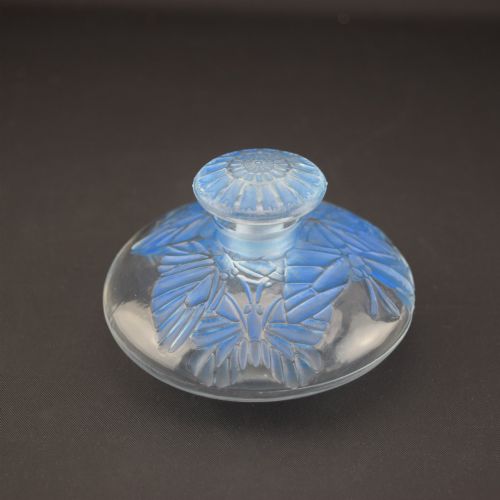
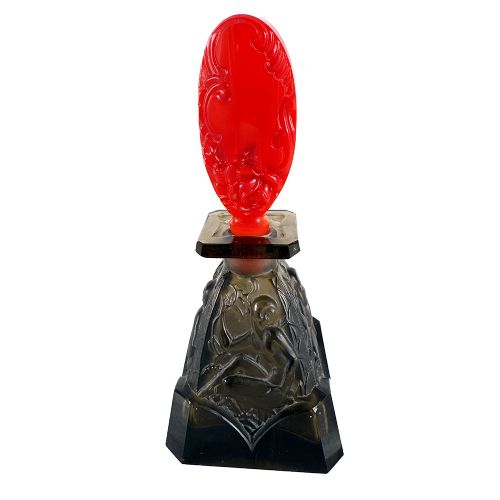
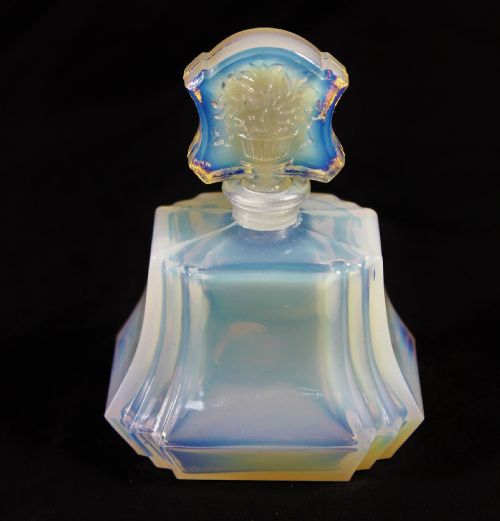
These moulded glass perfume bottles bring tactile Art Deco geometry and opalescent depth to any dressing table.
Moulded Glass Perfume
Moulded glass perfume bottles capture the distinctive aesthetic of the nineteen twenties and nineteen thirties through intricate relief work and sculptural stoppers. Collectors seeking moulded glass perfume items will encounter French Art Deco creations alongside pieces originating from Czechoslovakia.
The selection centres on perfume bottles, scent bottles, and perfume atomisers. Many feature named designs such as butterfly, cicada, poppy, and swallow motifs integrated directly into the glass body.
Makers utilise specialised glass formulations to create tactile surfaces that respond to changing light. These vessels range from clear glass to heavily frosted and opalescent finishes.
Materials and production
Production relies on pressing molten material into metal moulds to achieve high-relief ornamentation and sculptural stoppers. Artisans utilise opalescent glass, frosted glass, and clear glass to manipulate how light travels through the vessel.
Makers occasionally enhance the intricate surface patterns using coloured enamel or contrasting patination. Some examples incorporate paper labels alongside the moulded glass body to denote the original contents.
The technique requires precise temperature control during moulding to preserve crisp botanical and animalistic details. This process allows complex forms like butterflies and flowers to emerge cleanly from the glass surface.
The listings exclusively feature Art Deco period pieces from the nineteen twenties and nineteen thirties utilising opalescent, frosted, and clear glass.
Quality and execution
The distinction between tiers rests upon the crispness of the relief moulding and the subtlety of the opalescent optical effects. Superior examples display sharply defined motifs where every feather, petal, or geometric line remains distinct.
The quality of secondary treatments, such as applied enamel or coloured staining within the recesses, dictates the visual depth of the piece. Master glassmakers achieved a harmonious balance between translucency and dense frosted areas that lesser workshops missed.
Rene Lalique·Sabino
The Moulded Glass Perfume Glossary
- Opalescent glass
- Glass containing agents that cause it to appear milky-blue when viewed in transmitted light and warm amber or orange in reflected light. This optical property creates a shimmering depth across moulded surfaces.
- Moulded glass
- Glass shaped by pressing molten material into a prepared form rather than blowing it by freehand. This technique permits complex decorative reliefs and consistent repetition of sculptural designs.
- Perfume atomiser
- A vessel fitted with a spray mechanism designed to disperse liquid fragrance in a fine mist. These pieces combine mechanical hardware with decorative glass bodies.
- Frosted glass
- Glass treated to achieve a matte, non-reflective surface texture through acid etching or sandblasting. The resulting opaque finish highlights the sculptural contours of the design.
Moulded Glass Perfume: Frequently Asked Questions
How do I identify a period scent bottle?
Examine the stylistic vocabulary, which typically follows Art Deco geometry or naturalistic motifs from the nineteen twenties and thirties. Look closely at the depth of the relief moulding and the specific optical quality of the glass.
Check for signatures or moulded marks associated with period workshops such as Rene Lalique or Sabino. The presence of original paper labels or specialised staining can also help confirm the era of production.
What is an opalescent glass finish?
Opalescent glass contains chemical additives that scatter light, creating a distinctive milky-blue appearance in daylight and warmer tones under direct illumination. This effect gives moulded details a luminous quality.
Purchasers often find this property utilised to accentuate sculptural elements like botanical motifs or animal figures on the bottle body.
Where were these glass bottles made?
The pieces originate predominantly from France, with additional examples produced in Czechoslovakia during the interwar period. French ateliers dominated the market for luxury opalescent and frosted glass vanity items.
Workshop locations frequently dictated the specific mould techniques and glass recipes employed for each named perfume design.
How should I display my scent bottle?
Position the vessel where natural daylight can pass through the opalescent or frosted glass to reveal the sculptural relief work. Placing them on a mirrored tray enhances the luminous quality of the material.
Ensure the bottle rests on a stable, flat surface away from busy edges to protect delicate stoppers and delicate decorative projections.