




1930s Diamond Dress Ring
A 1930s diamond dress ring brings geometric flair and exceptional stones together for evening wear.
1930s Diamond Dress Ring
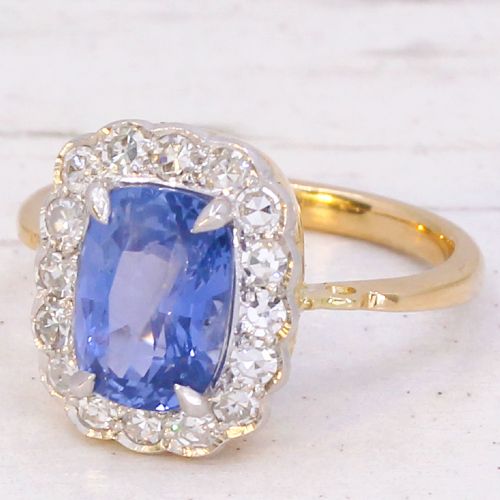
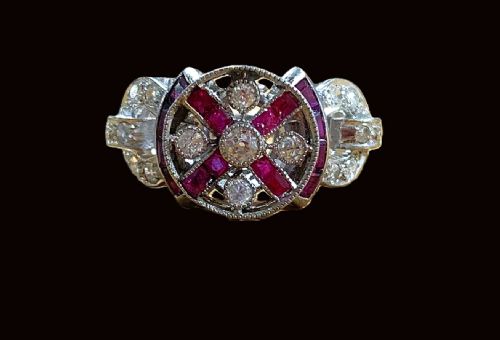
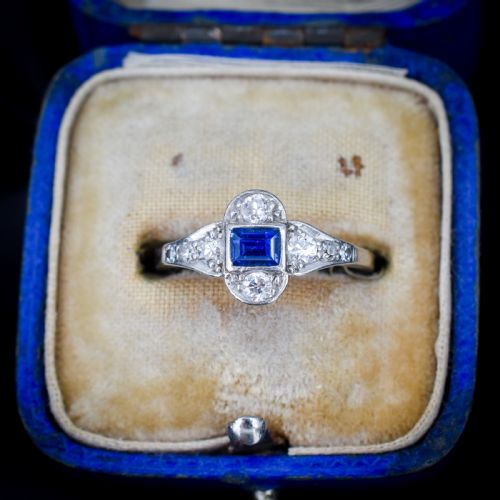
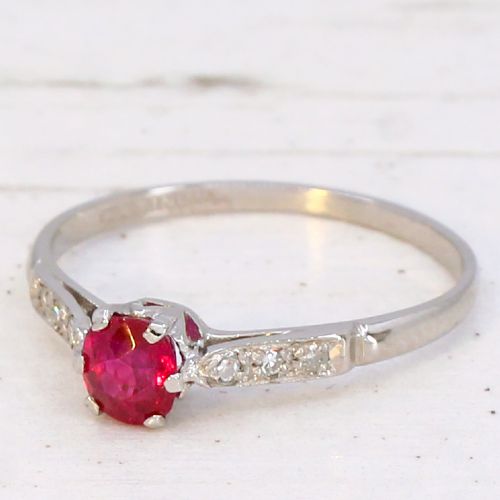
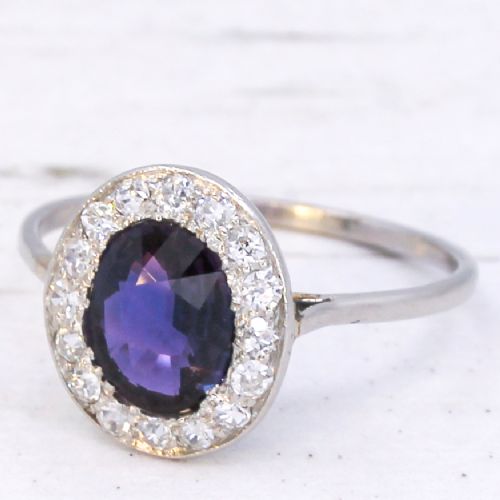
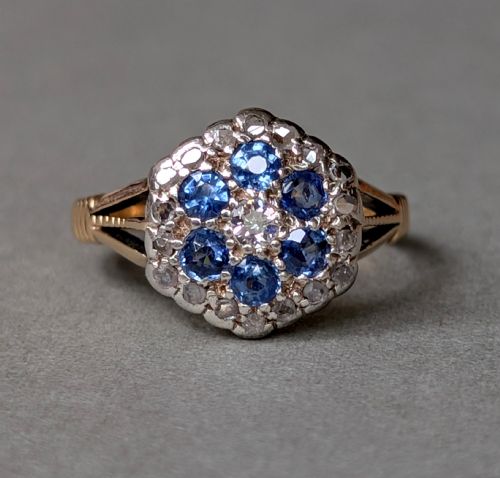
A 1930s diamond dress ring is typically defined by strong geometric lines, architectural mounts, and striking centre stones. These cocktail and dress rings capture the bold aesthetic of the Art Deco period, often pairing diamonds with coloured gems such as sapphires, rubies, and emeralds.
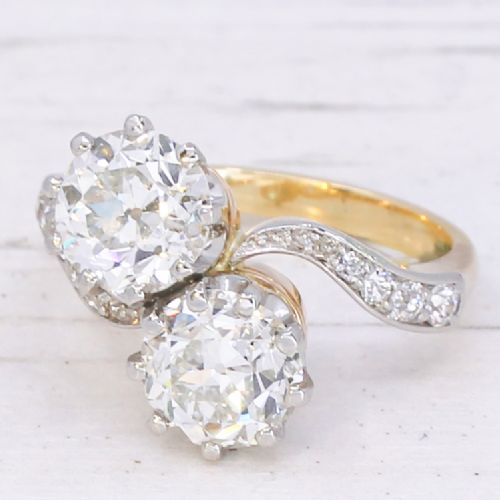
The versions most commonly met on this page span platinum and gold settings created around nineteen-thirty. They range from delicate solitaire and three-stone arrangements to elaborate clusters and Toi et Moi designs featuring substantial gemstone carat weights.
How they were made
Craftsmen utilised platinum alongside 18ct yellow and white gold to construct sturdy yet intricate mountings. Platinum gained immense popularity during this decade for its strength, allowing jewellers to create fine wirework and secure bezels without adding heavy metal mass.
Diamonds of the era were predominantly old European or old cuts, shaped by hand to maximise candlelit sparkle. These stones were set alongside natural, unheated sapphires, rubies, and emeralds originating from notable sources like Burma, Ceylon, and Colombia.
What varies in quality
The distinction between tiers rests upon the provenance and natural quality of the principal gemstones. Stones accompanied by certification detailing unheated origins or minimal oil treatments elevate a piece significantly above standard commercial grades.
Execution of the metalwork also divides the range, with superior examples exhibiting precise millegrain edges, symmetrical channel settings, and harmonious proportions between the diamonds and coloured centre stones.
The 1930s Diamond Dress Ring Glossary
- Old European cut
- A round diamond cut popular prior to the modern brilliant, characterised by a small table, high crown, and large culet facet. This vintage cut produces a softer, broader pattern of light return.
- Toi et Moi
- A ring style featuring two main stones positioned side by side, symbolising two souls intertwined. The French phrase translates to you and me.
- Millegrain
- A technique involving a row of tiny raised metal beads along the edges of a setting. This decorative border provides a refined, textured finish typical of the era.
- Cocktail ring
- A large, showy ring designed to catch the eye during evening social gatherings. These pieces often feature oversized centre gemstones surrounded by dense diamond halos.
1930s Diamond Dress Ring: Frequently Asked Questions
How do I style a vintage cocktail ring?
These statement pieces carry enough visual weight to be worn alone on the hand without competing jewellery. Pair them with simple evening attire to let the geometric platinum and gemstone work take full focus.
Because the mounts feature intricate claw and bezel work, avoid wearing them alongside stacking bands that might rub against the delicate side galleries.
Are these rings suitable for daily wear?
While platinum and gold offer robust durability, the age of these rings requires mindful care during active tasks. Removing the jewellery before heavy lifting or exercising protects the historic settings from unnecessary strain.
Regular checks by a jeweller ensure that the claws holding the diamonds and coloured stones remain tight and secure over time.
How can I tell a 1930s ring from later reproductions?
Authentic pieces from the era display hand-finished details such as hand-cut old European diamonds and subtle tool marks within the gallery. Modern reproductions often use machine-cut stones and uniform casting methods that lack period character.
Examining the metal hallmarks and the specific geometry of the Art Deco mount helps confirm the period of manufacture.
What is the difference between a dress ring and an engagement ring?
Engagement rings traditionally focus on a singular central diamond intended for continuous daily wear, whereas dress and cocktail rings prioritise bold coloured gems and ornamental design. Pieces from this era often blur the line by combining substantial sapphires or emeralds with diamond clusters.
Many collectors wear these historic dress rings as unique engagement alternatives for a distinct aesthetic.