


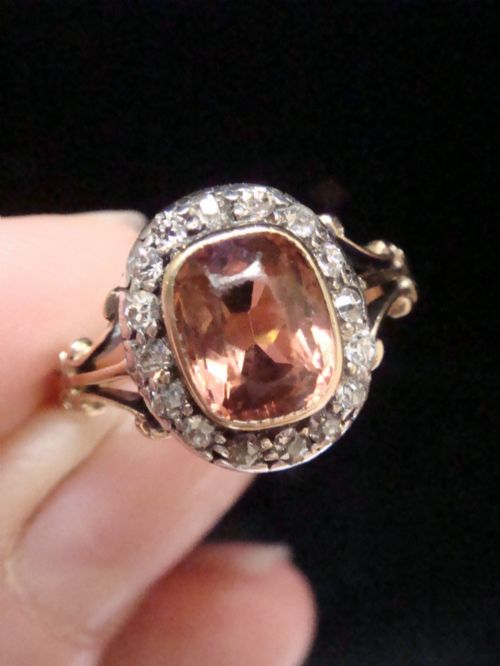
Yellow Gemstone Dress Ring
A yellow gemstone dress ring brings together the warm glow of gold and vibrant coloured stones across Victorian, Edwardian and vintage designs.
Yellow Gemstone Dress Ring
A yellow gemstone dress ring draws the eye through distinctive colour combinations, frequently pairing bright stones with traditional gold bands. The selection spans the Victorian and Edwardian periods, stretching onward into mid-century and vintage creations.
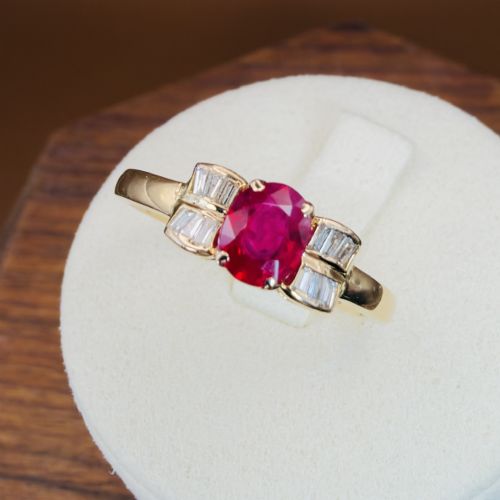
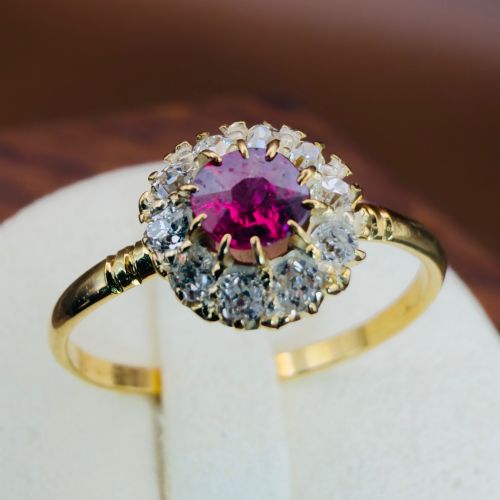
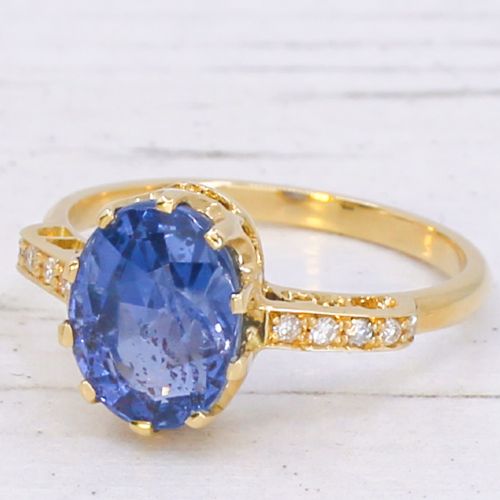
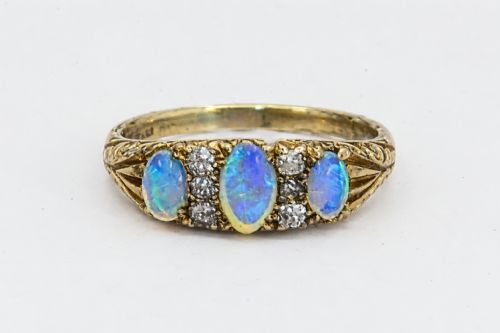
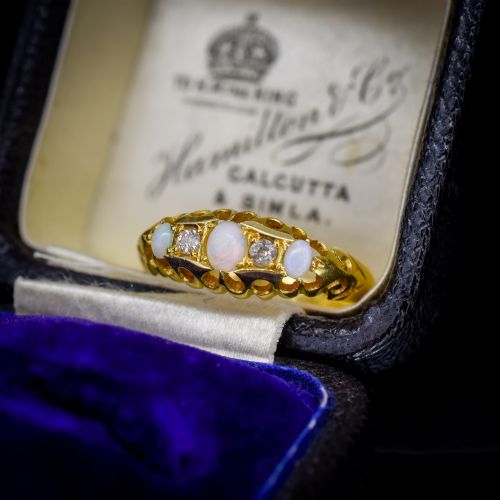
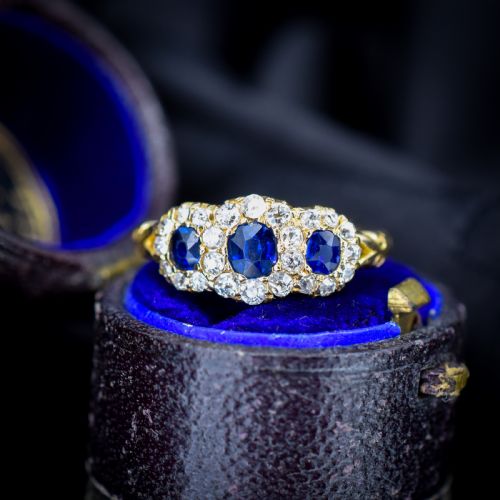
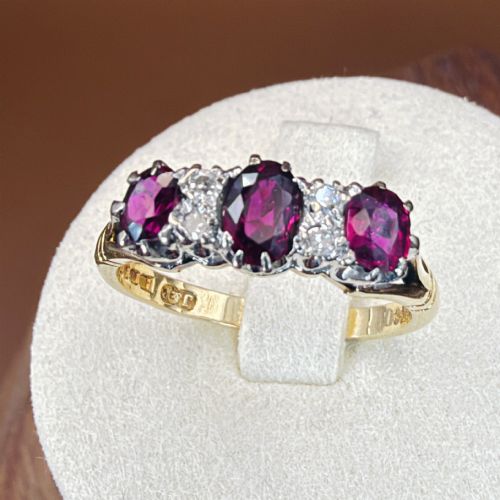
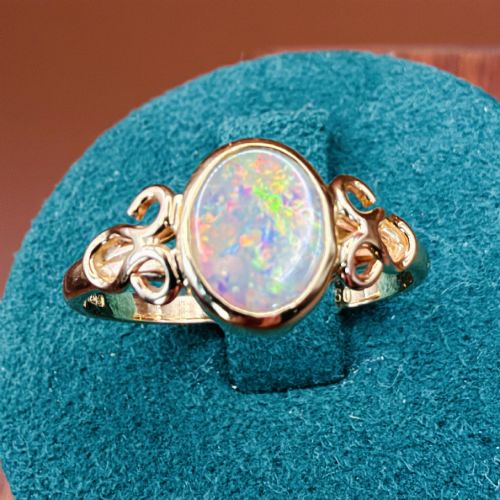
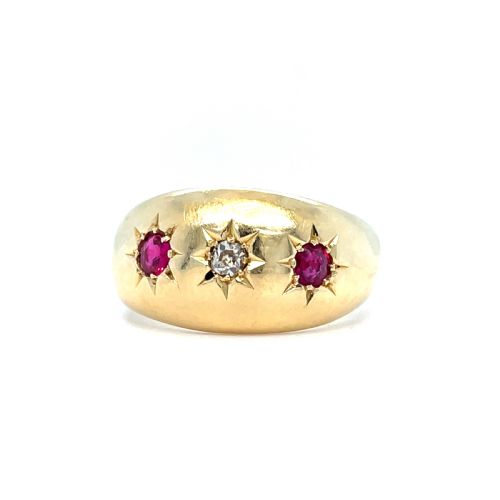
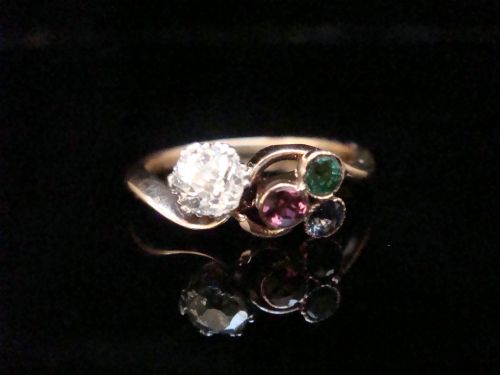
Buyers regularly encounter cluster rings, multi-stone settings, and boat shapes featuring diamonds alongside rubies, sapphires, opals, and garnets. Citrine and amethyst variants also appear, set firmly within yellow gold or 18ct yellow gold mounts.
The assortment includes pieces bearing hallmarks from regional assay offices such as Birmingham and Chester, alongside continental examples. These rings reflect the shifting aesthetic preferences of their eras, moving from ornate nineteenth-century work to streamlined mid-century silhouettes.
Materials and construction methods
Goldsmiths of the nineteenth and twentieth centuries relied primarily on 18ct yellow gold, alongside 15ct and 9ct variations, to forge robust yet decorative bands. Stones were secured using claw settings, bezel mounts, and intricate cluster arrangements designed to maximise light capture.
Old cut and old mine cut diamonds frequently accompany central coloured gemstones, supported by hand-finished details such as starburst engravings and boat-shaped platforms. Hallmarks stamped directly into the metal interior provide verifiable records of British assay office standards.
Several rings proudly display Chester hallmarks from 1890, proving that Northern gents and ladies loved a bold gemstone just as much as Londoners.
Distinguishing quality in period rings
Quality rests upon the visual harmony of the selected stones and the precision of the metalwork. Master goldsmiths achieved superior balance in claw placements and gemstone proportions, ensuring the central gems command attention without overpowering the supporting diamonds.
Wear and tear across the band and the integrity of the setting determine a piece's structural soundness. Fine examples maintain crisp gallery work, legible hallmarks, and secure stone retention that withstands the passage of time.
The Yellow Gemstone Dress Ring Glossary
- Boat ring
- A ring featuring a curved, boat-shaped setting that tapers gracefully toward the shoulders. This configuration was particularly favoured during the Edwardian era for multi-stone cluster designs.
- Cluster ring
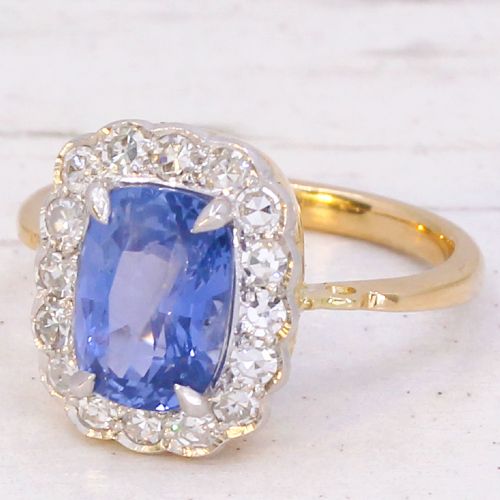
- A design arrangement where a central gemstone is encircled by a border of smaller stones, typically diamonds. This style was deployed extensively to enhance visual impact and perceived brilliance.
- Navette
- A boat-shaped or marquise-style setting characterised by pointed ends and an elongated silhouette. It creates a striking profile upon the finger.
- Old cut
- A diamond facet arrangement predating the modern brilliant cut, featuring a smaller table, higher crown, and open culet. These stones possess a distinctive candlelight sparkle.
- Trilogy
- A three-stone ring configuration often interpreted symbolically to represent the past, present, and future. Rubies and sapphires frequently occupy the centre position flanked by diamonds.
Yellow Gemstone Dress Ring: Frequently Asked Questions
How do I care for an antique opal ring?
Opals contain natural water content and require gentle handling to prevent drying or cracking. Avoid exposing them to harsh chemicals, ultrasonic cleaners, or sudden temperature changes.
Remove the ring before undertaking rigorous physical tasks or housework. Clean the surrounding gold gently with a soft cloth rather than submerging the softer gemstone in liquid solutions.
What defines an Edwardian dress ring?
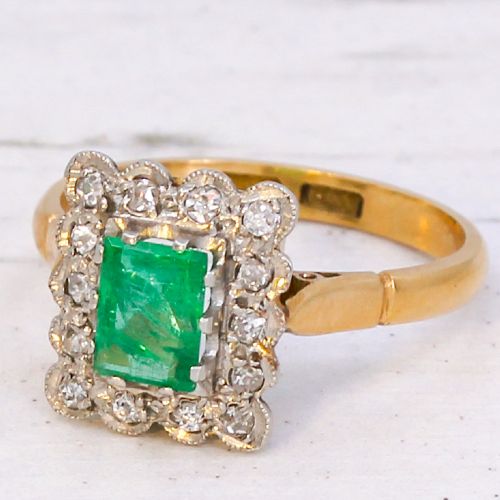
Edwardian rings typically exhibit refined grace, employing platinum-topped gold settings, delicate millegrain edges, and airy openwork galleries. Jewellers favoured diamonds, pearls, sapphires, and rubies during this period.
Motifs often leaned toward garlands, bows, and symmetrical clusters. The craftsmanship prioritised lightness and luminosity following the heavier styles of the late Victorian era.
Are these rings suitable for daily wear?
Many of these rings were built for regular use, but antique and vintage pieces demand mindful wear. Softer stones like opals or pearls require more care than sapphires, rubies, or diamonds.
Check the security of the claws periodically with a trusted jeweller. Removing the ring during gardening, lifting heavy objects, and sleeping will preserve the setting.