
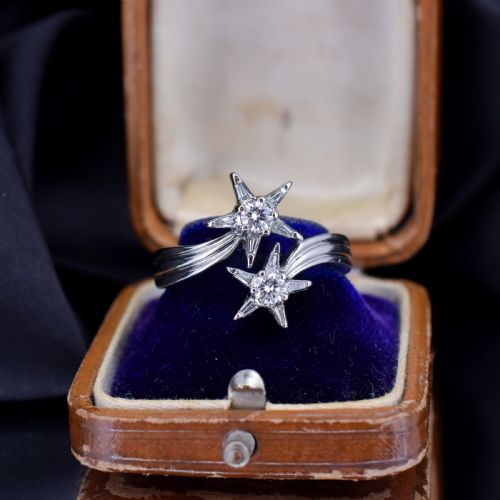
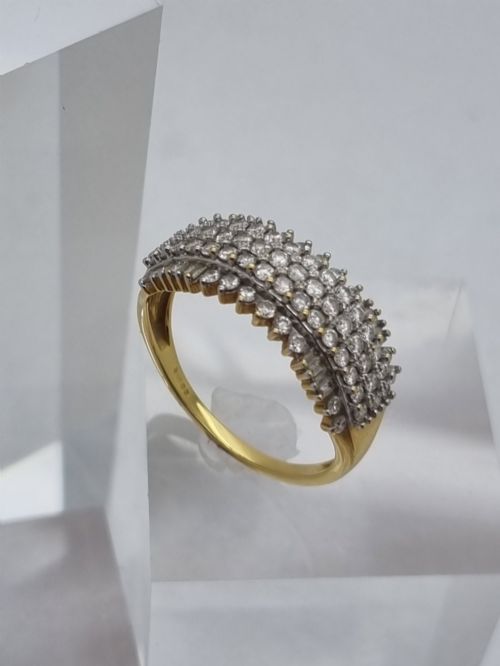
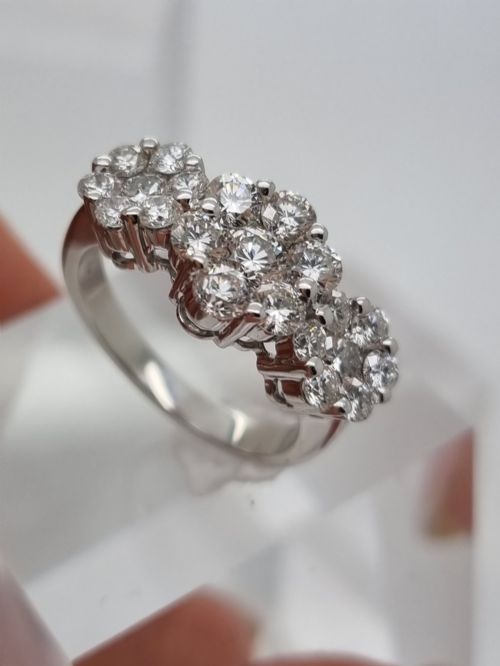
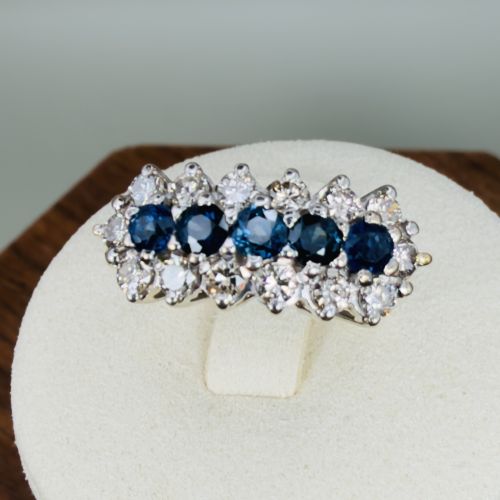
Antique Style Cluster Ring
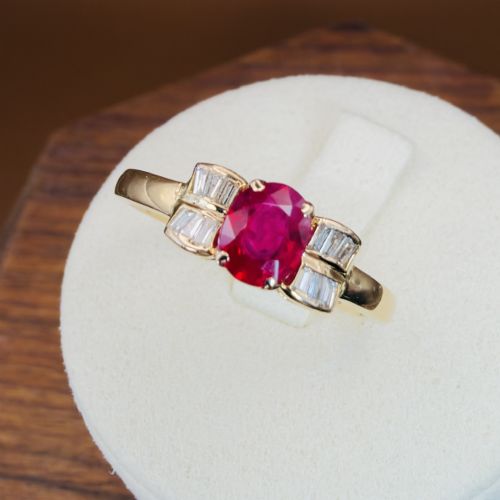
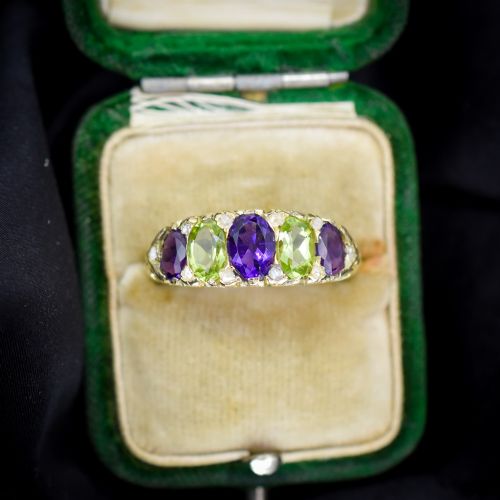
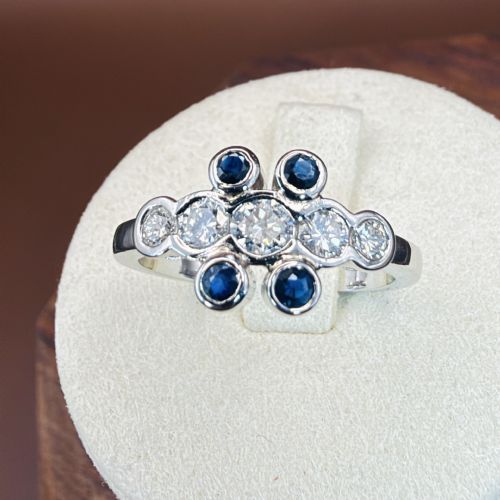
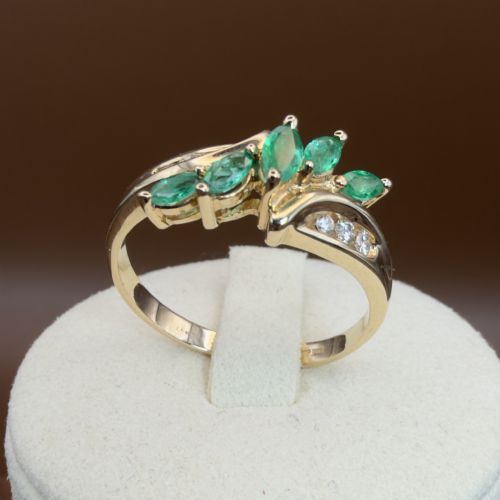
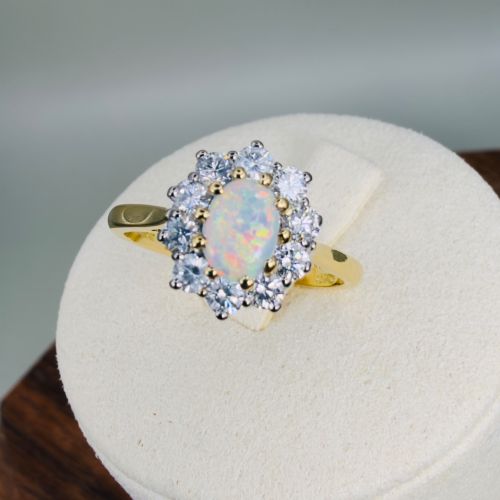
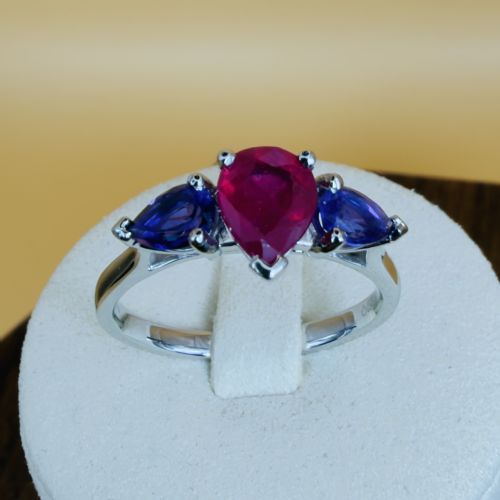
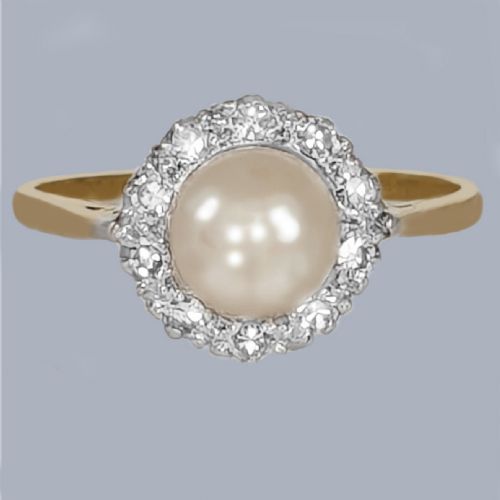
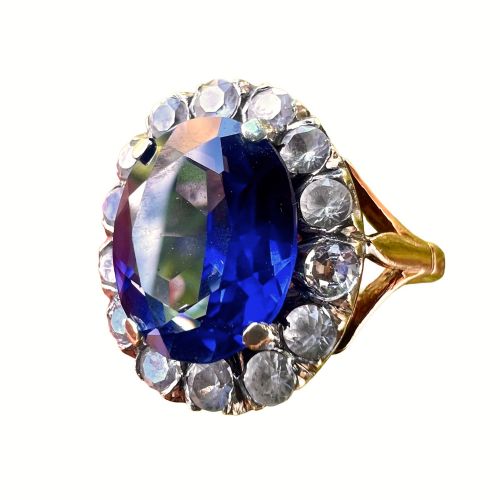
An antique style cluster ring brings together a central gemstone surrounded by smaller accent stones, creating an impactful profile that draws the eye across the hand.
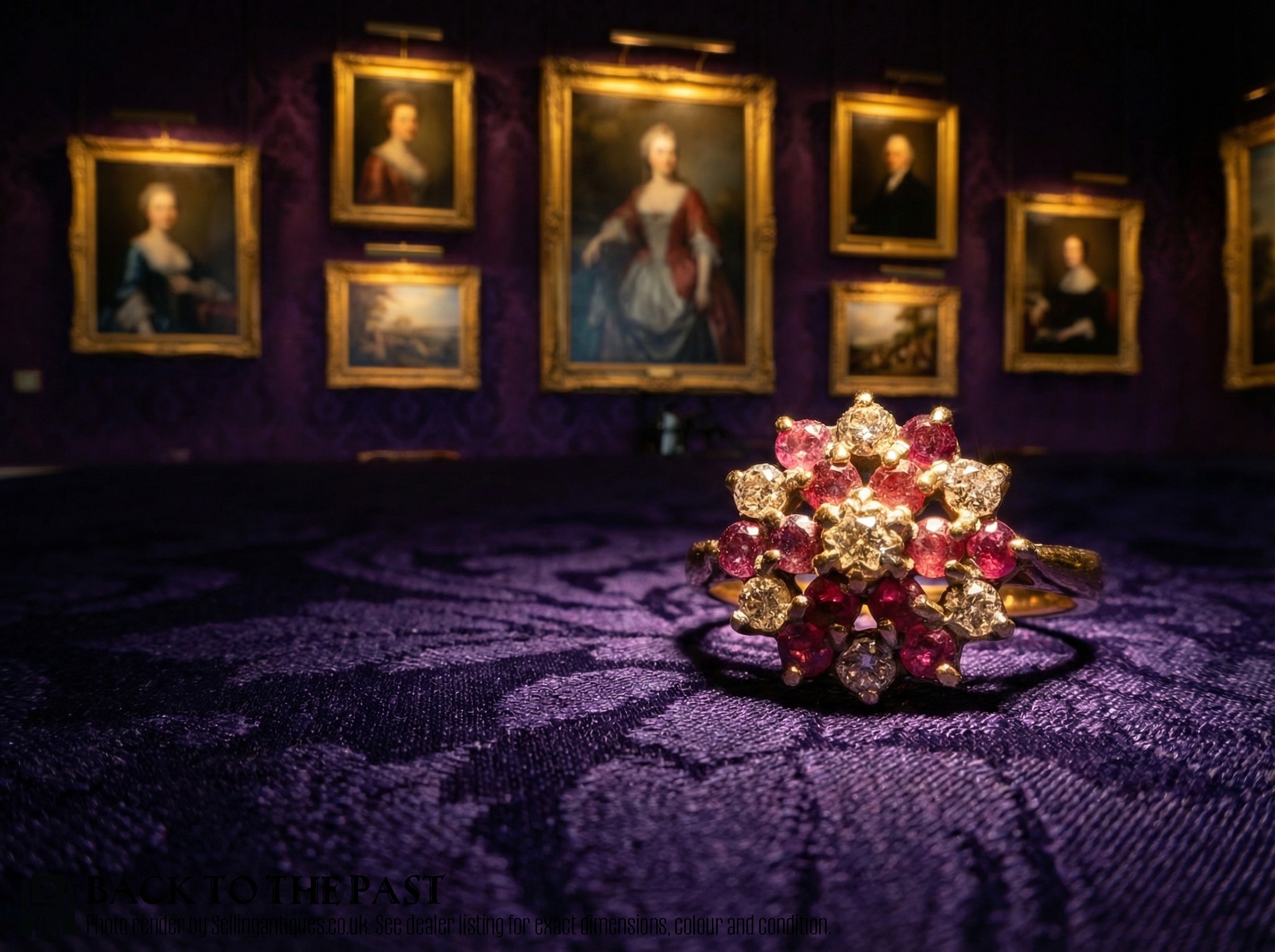
Antique Style Cluster Ring
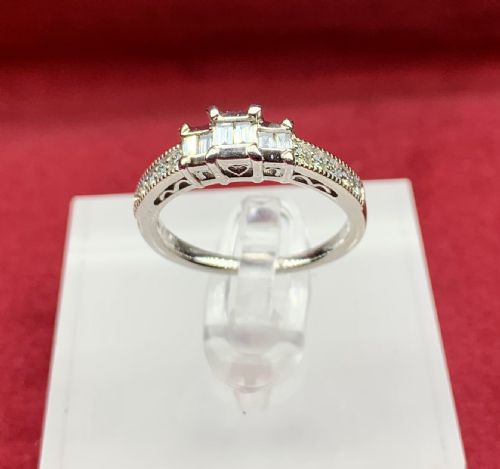
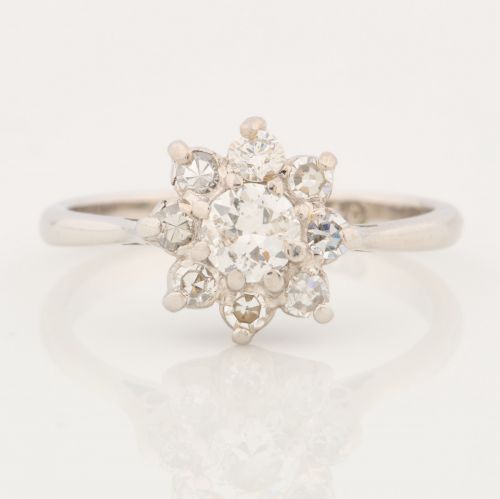
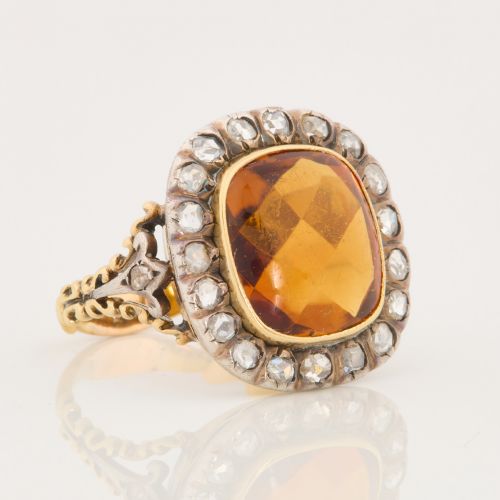
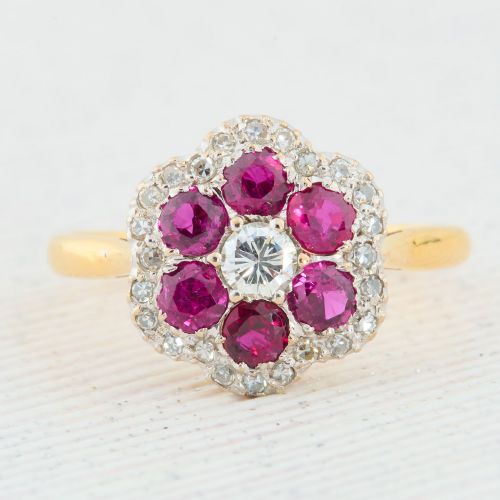
When searching for an antique style cluster ring, collectors encounter pieces spanning the Victorian and Edwardian eras through to the Art Deco and mid-century periods. The core design centres on a prominent primary stone, often a sapphire, emerald, ruby, or diamond, encircled by a halo of smaller brilliant or old-cut diamonds.
Historical examples bridge genuine 19th-century and early 20th-century craftsmanship with later mid-century reinterpretations that emulate earlier artistic movements. Buyers find both natural coloured gemstones and diamonds utilised across these various historical iterations.
How they were made
Goldsmiths utilised durable metals such as platinum, 18ct yellow gold, and 18ct white gold to construct secure settings capable of holding multiple stones. Platinum gained favour in Art Deco designs for its strength and bright finish, allowing for delicate claw and bezel formations.
Gemstones including sapphires, rubies, emeralds, and diamonds were shaped into old-cut, brilliant, cabochon, marquise, and pear profiles before being hand-set into the metal framework. Artisans often combined gold and silver in earlier periods to enhance the brilliance of the mounted diamonds.
Antique Style Cluster Ring Retail Price Guide 2026
Typical asking prices for style cluster ring among the pieces listed under this phrase on Sellingantiques today, from the lower quarter to the upper quarter. They describe what is for sale here now, not the wider market.
The inventory spans Victorian and Edwardian periods through to Art Deco designs and mid-century interpretations.
What varies in quality
The quality of an antique style cluster ring depends heavily on the match, clarity, and colour saturation of the central gemstone relative to its surrounding accent stones. Well-matched diamond halos and natural, unheated coloured gems elevate the overall integrity of the piece.
Craftsmanship is visible in the precision of the metalwork, the security of the settings, and how harmoniously the central stone integrates with the outer cluster. Higher-grade examples exhibit balanced proportions and clean stone placement that withstands daily wear.
The Antique Style Cluster Ring Glossary
- Cluster ring
- A ring featuring a central gemstone surrounded by a group of smaller stones. This arrangement maximises visual impact and perceived gemstone size.
- Old-cut diamond
- A vintage diamond cut characterised by a small table, high crown, and large culet, hand-faceted before modern standardisation. These stones display a distinctive soft glow under candlelight.
- Marquise cut
- A boat-shaped gemstone cut with pointed ends and curved sides. It originates from the 18th century and returned to popularity during the Art Deco era.
- Cabochon
- A gemstone shaped and polished with a smooth, rounded surface rather than faceted. This style is frequently used for opals, sapphires, and emeralds.
- Halo
- A ring of smaller pavé or prong-set diamonds or gemstones encircling a larger centre stone. This setting style enhances the brilliance and presence of the main gem.
Antique Style Cluster Ring: Frequently Asked Questions
What is an antique style cluster ring?
An antique style cluster ring is a piece of jewellery featuring a central gemstone framed by smaller accent stones, designed to mimic historic Victorian, Edwardian, or Art Deco aesthetics.
These rings combine traditional motifs like floral or daisy patterns with durable precious metals such as platinum and 18ct gold.
How do I care for my ring?
Preserving these rings involves regular gentle cleaning with mild soap and warm water, avoiding harsh ultrasonic cleaners especially when softer gems like opals or emeralds are present.
It is also wise to have a professional jeweller inspect the claw settings periodically to ensure the accent and central stones remain secure.
Are the gemstones natural?
Many listings feature natural diamonds and unheated coloured gemstones, though some pieces incorporate synthetic sapphires or treated stones typical of specific mid-century manufacturing methods.
Gemological reports are often included with significant pieces to verify the origin and treatment status of the primary stones.
How do I date a cluster ring?
Dating relies on examining the cut of the diamonds, the choice of metals like platinum versus yellow gold, and the overall geometric or floral styling of the setting.
Hallmarks stamped inside the shank also provide official stamps that reveal the assay office, metal purity, and year of manufacture.